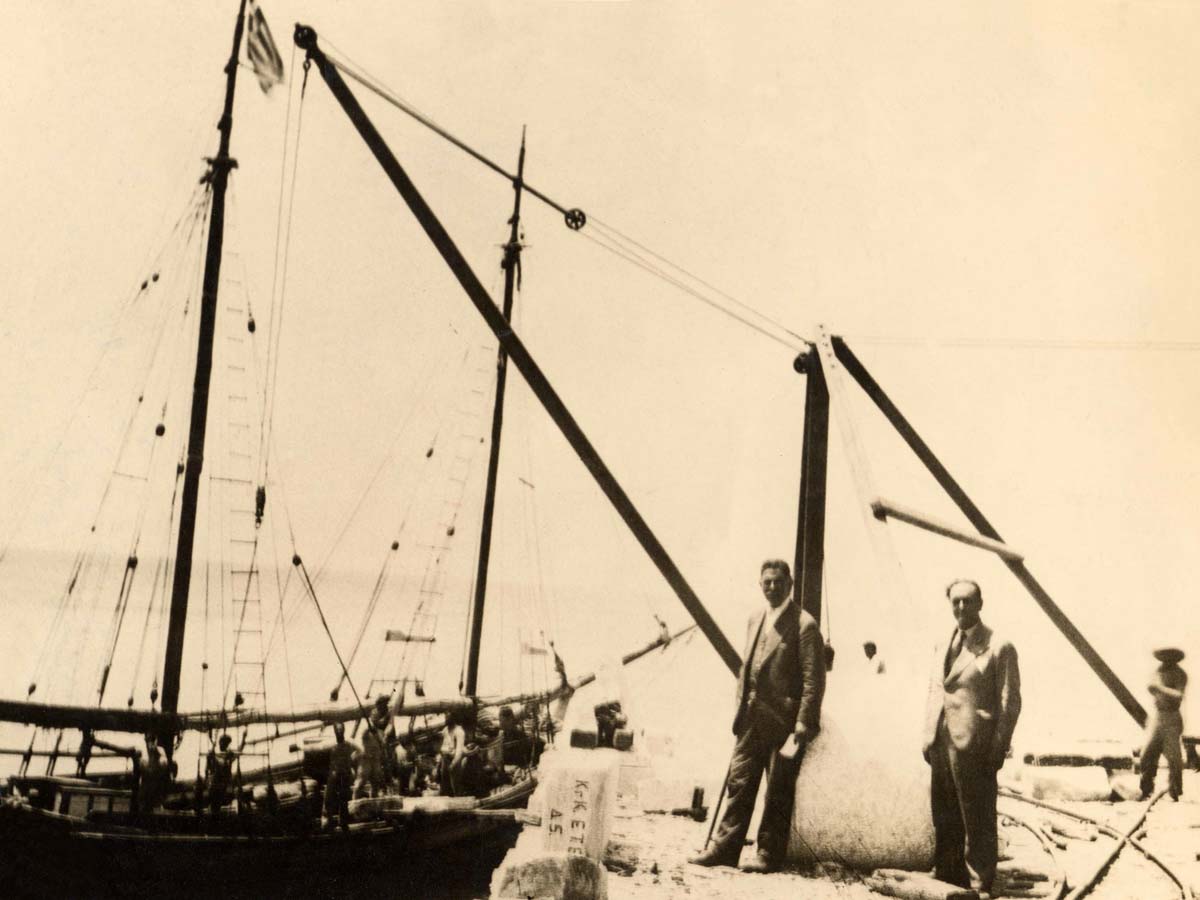
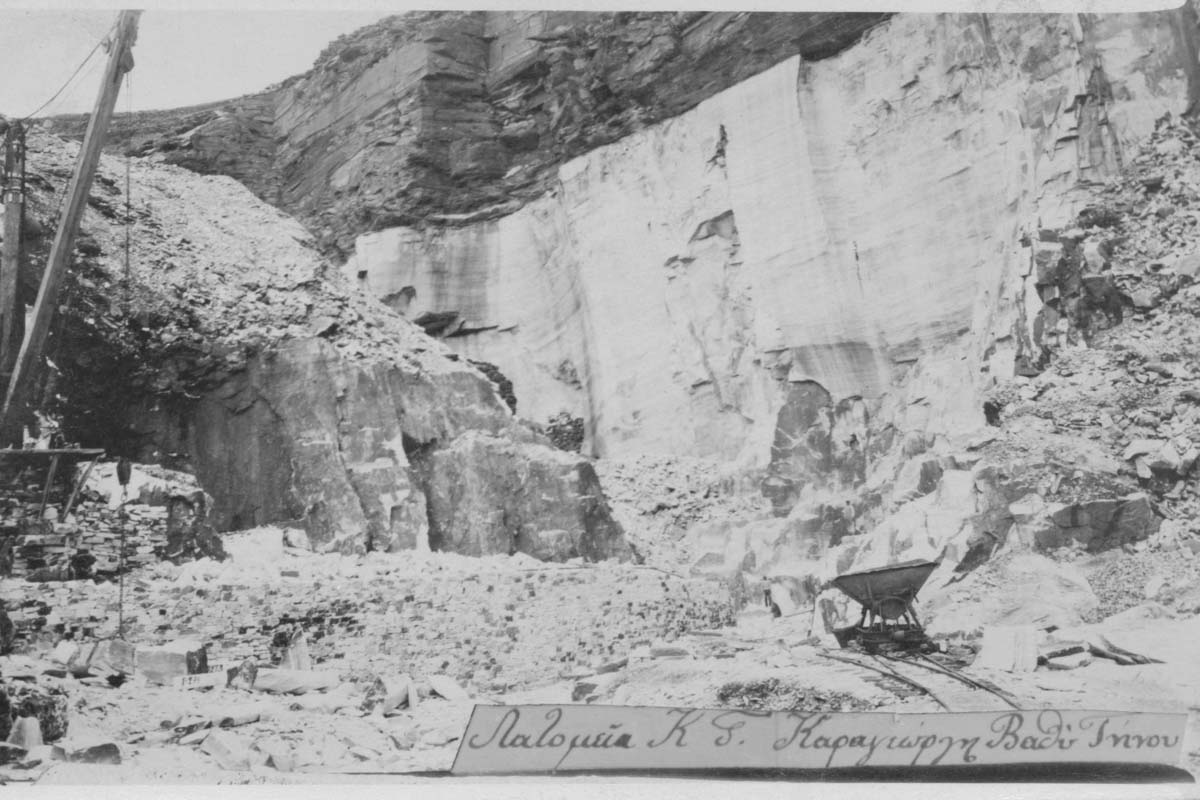
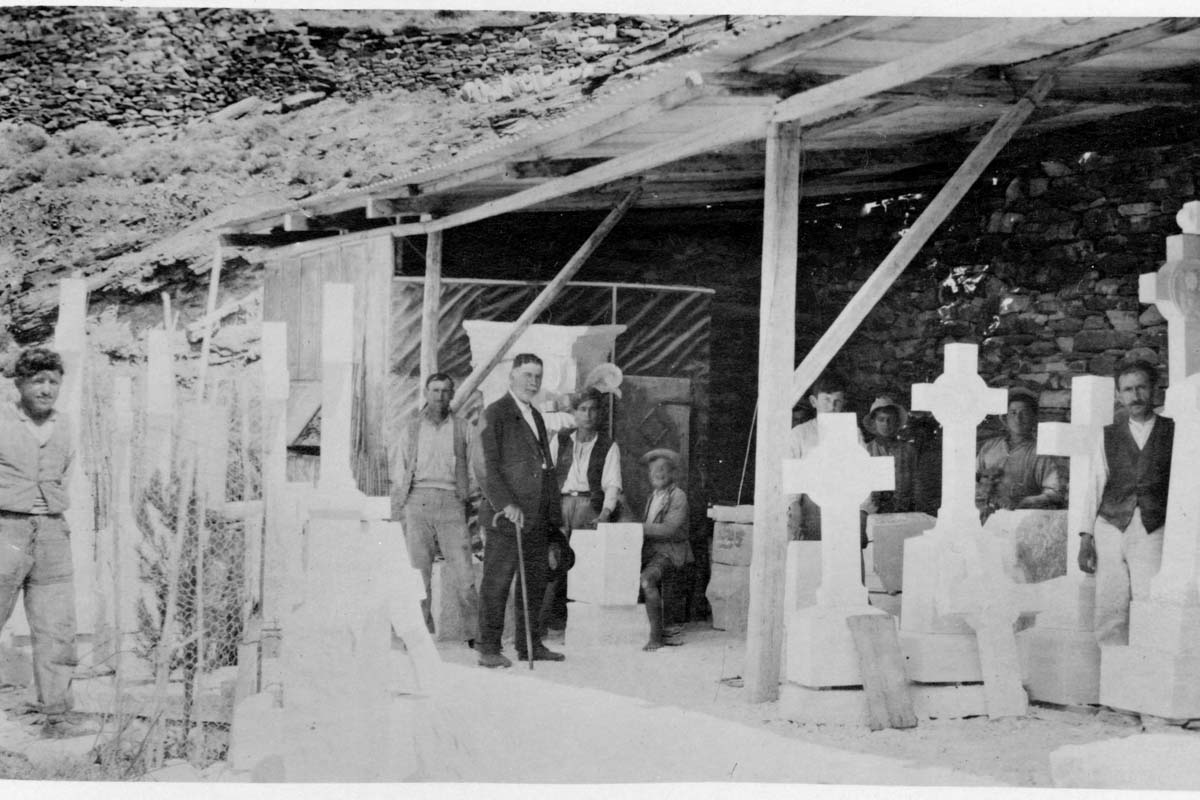
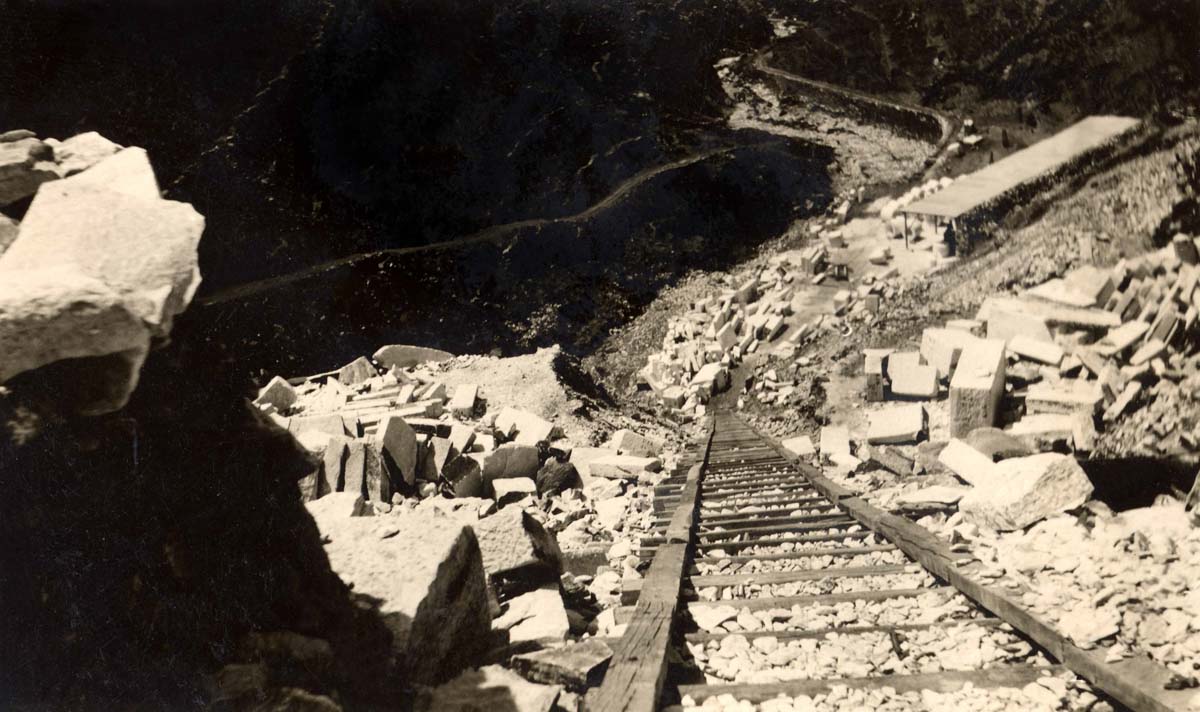
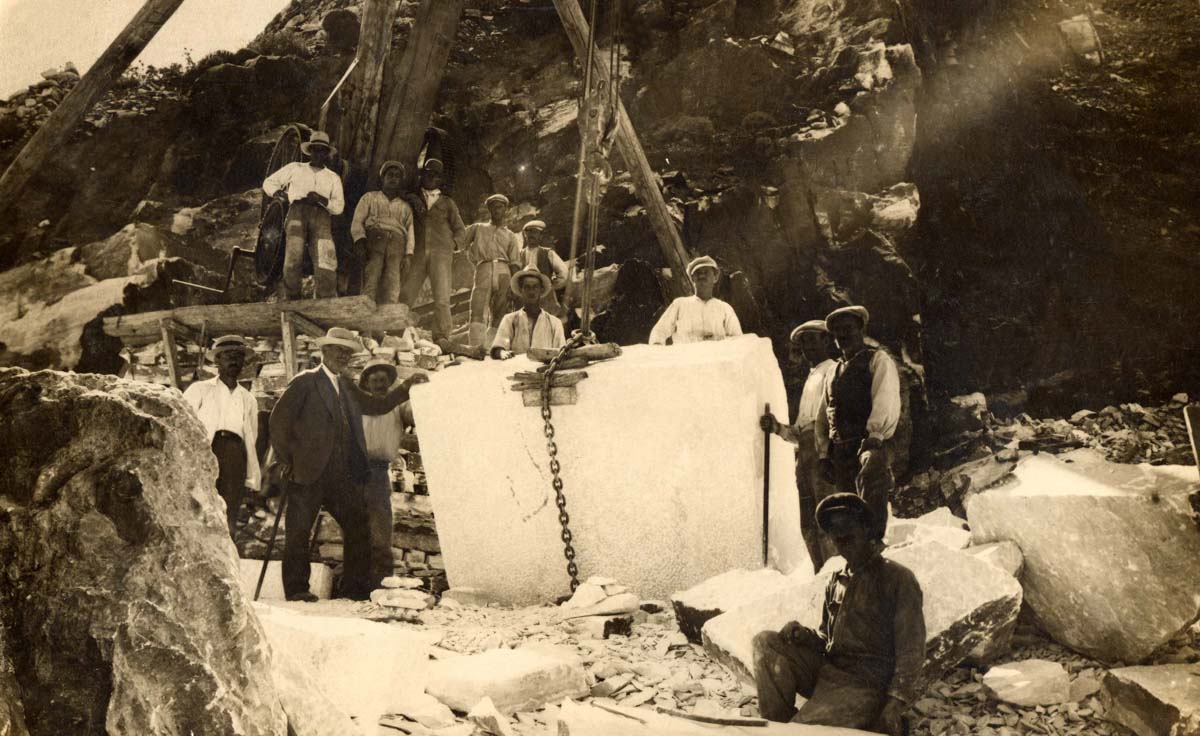
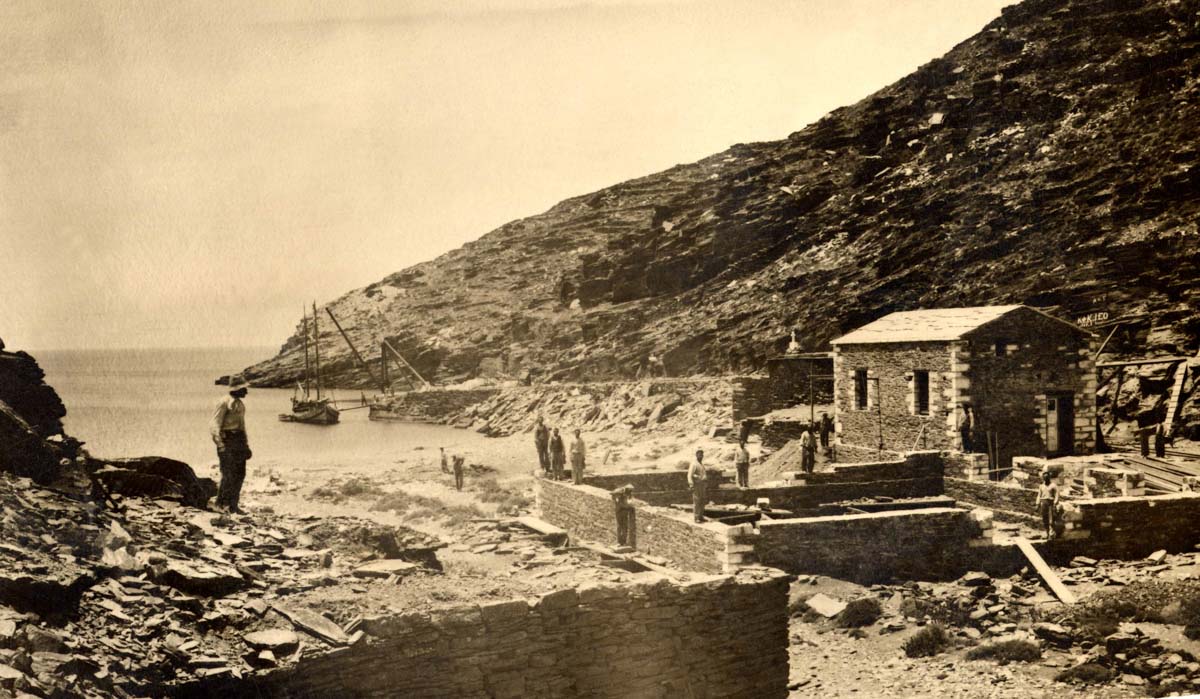
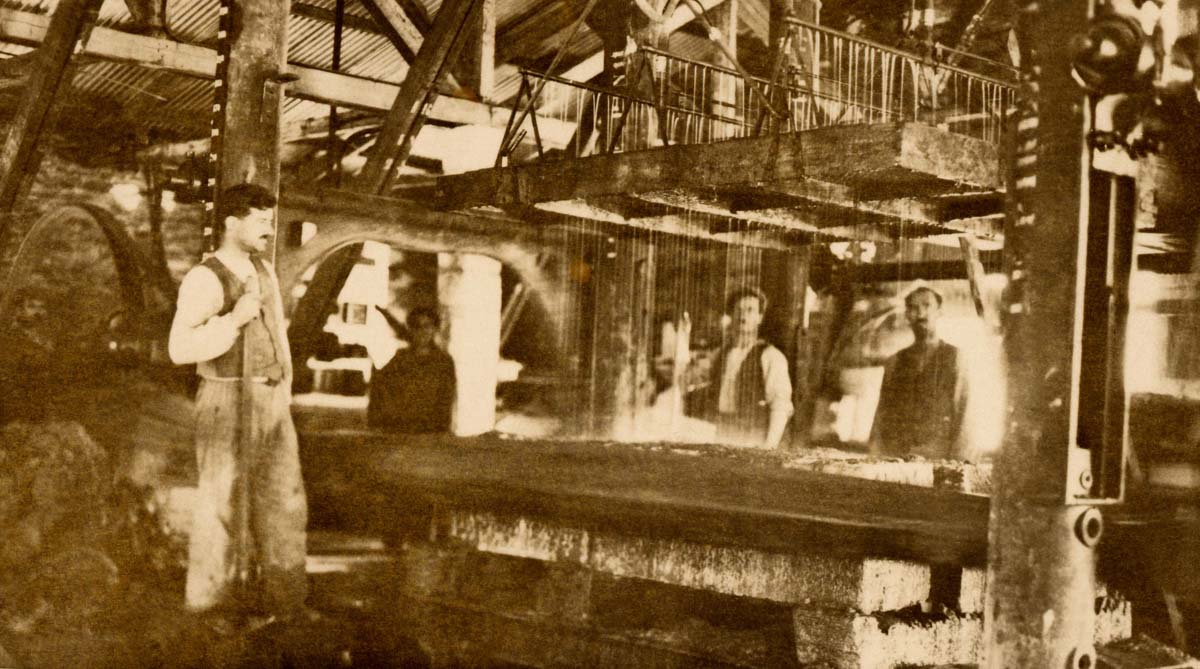
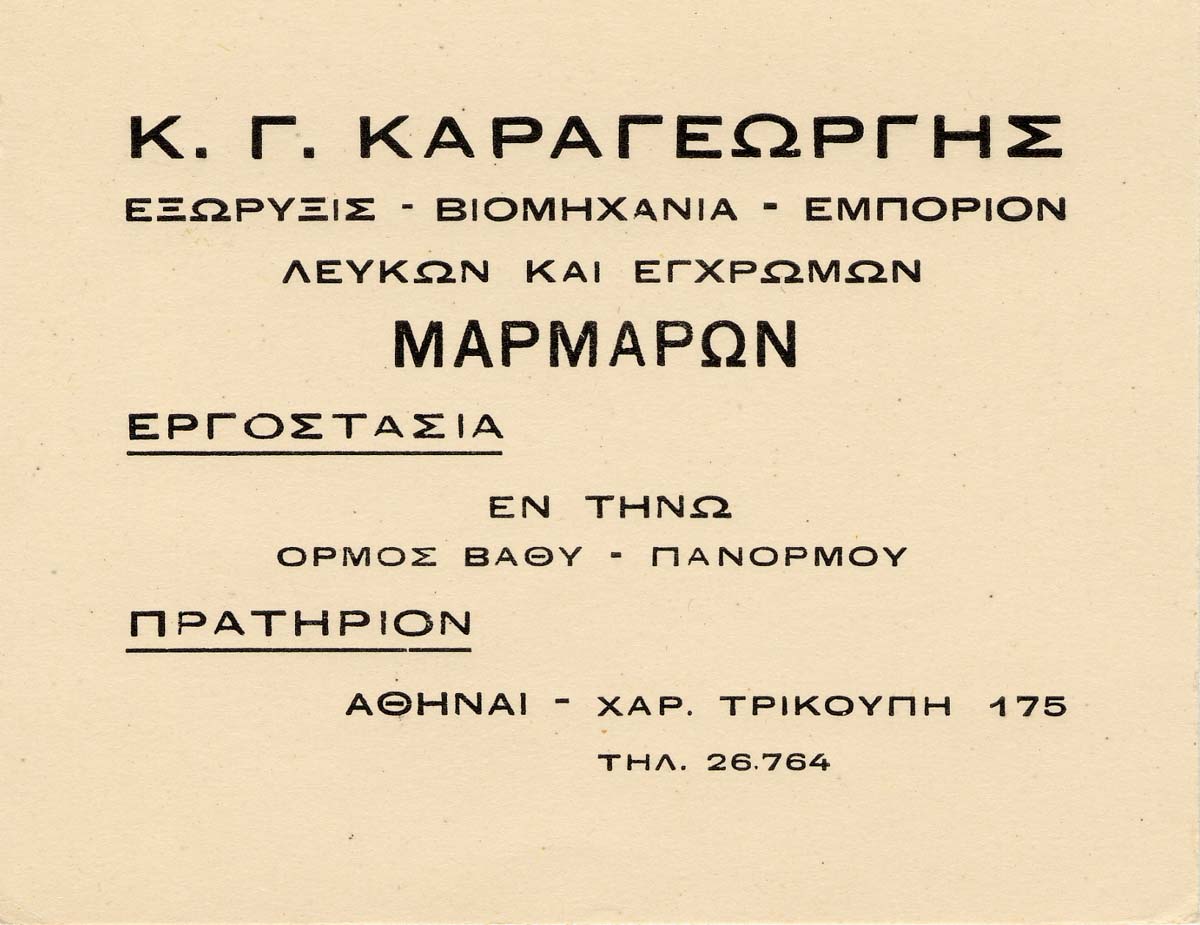
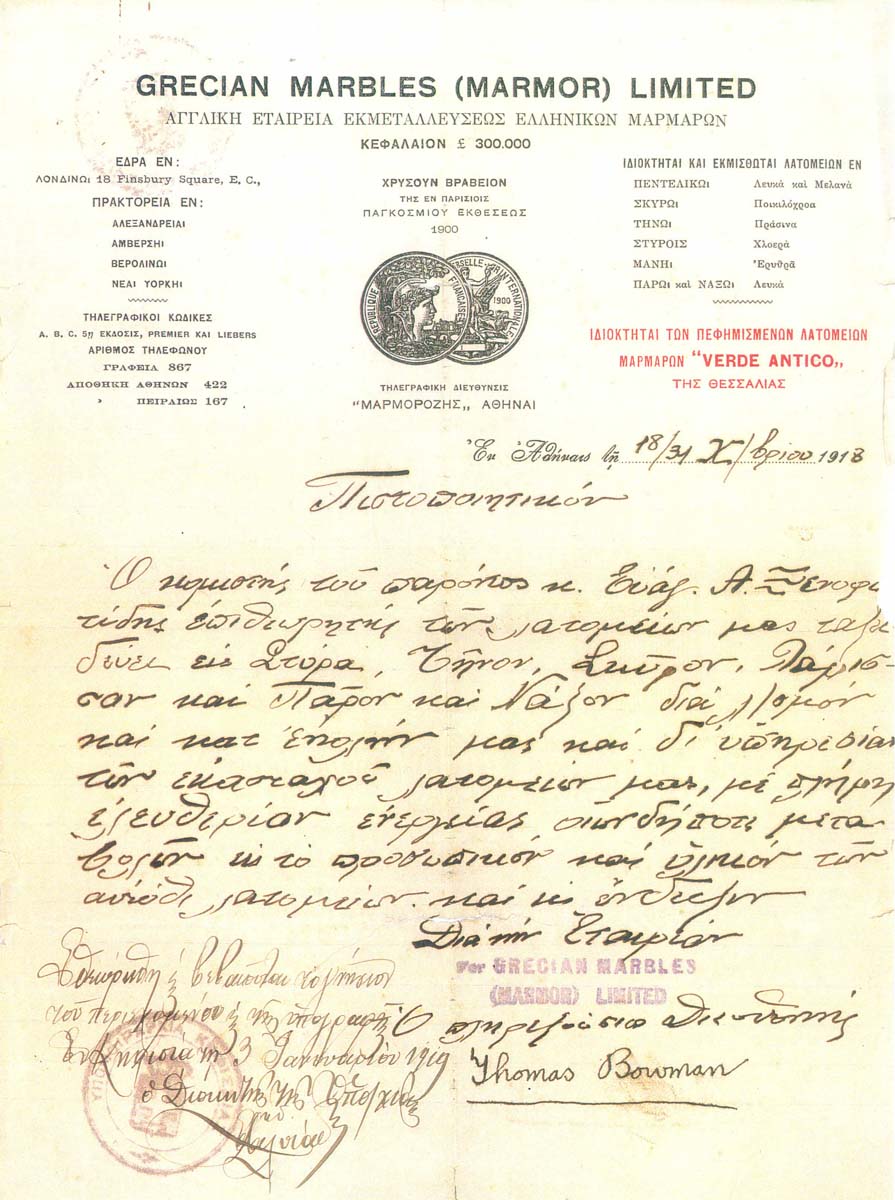
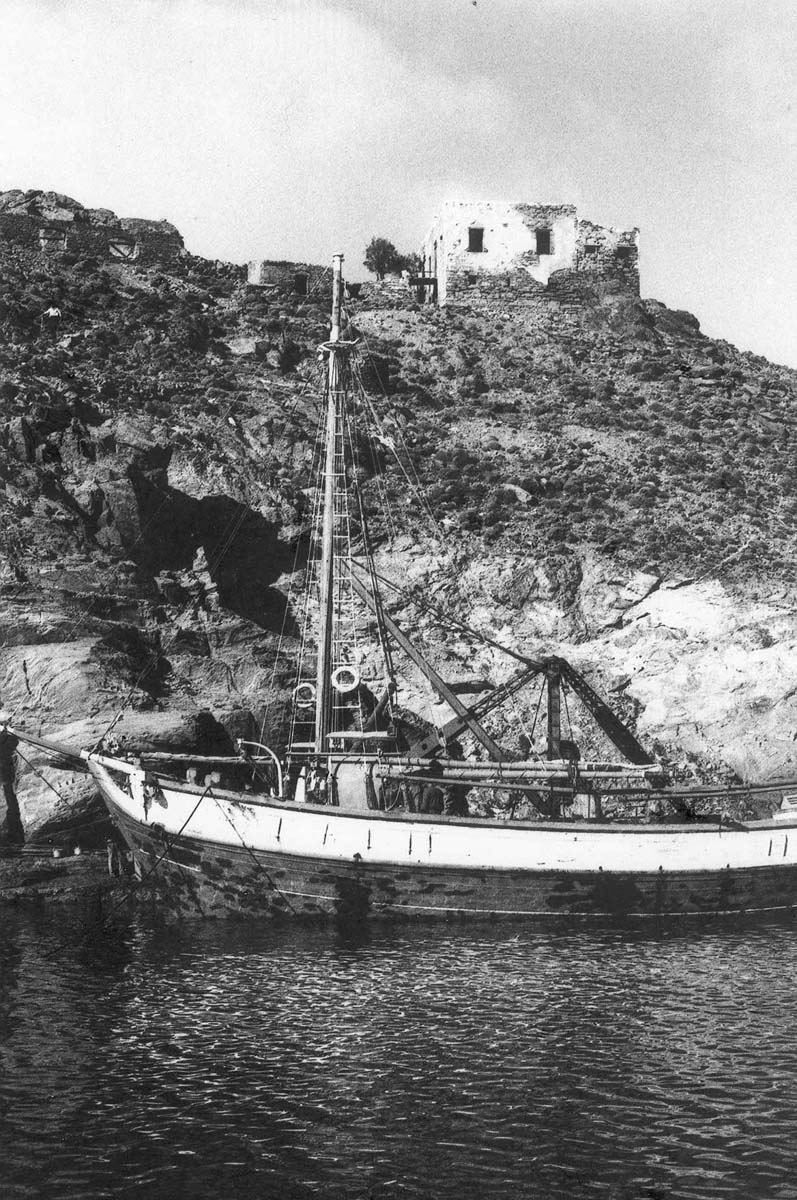
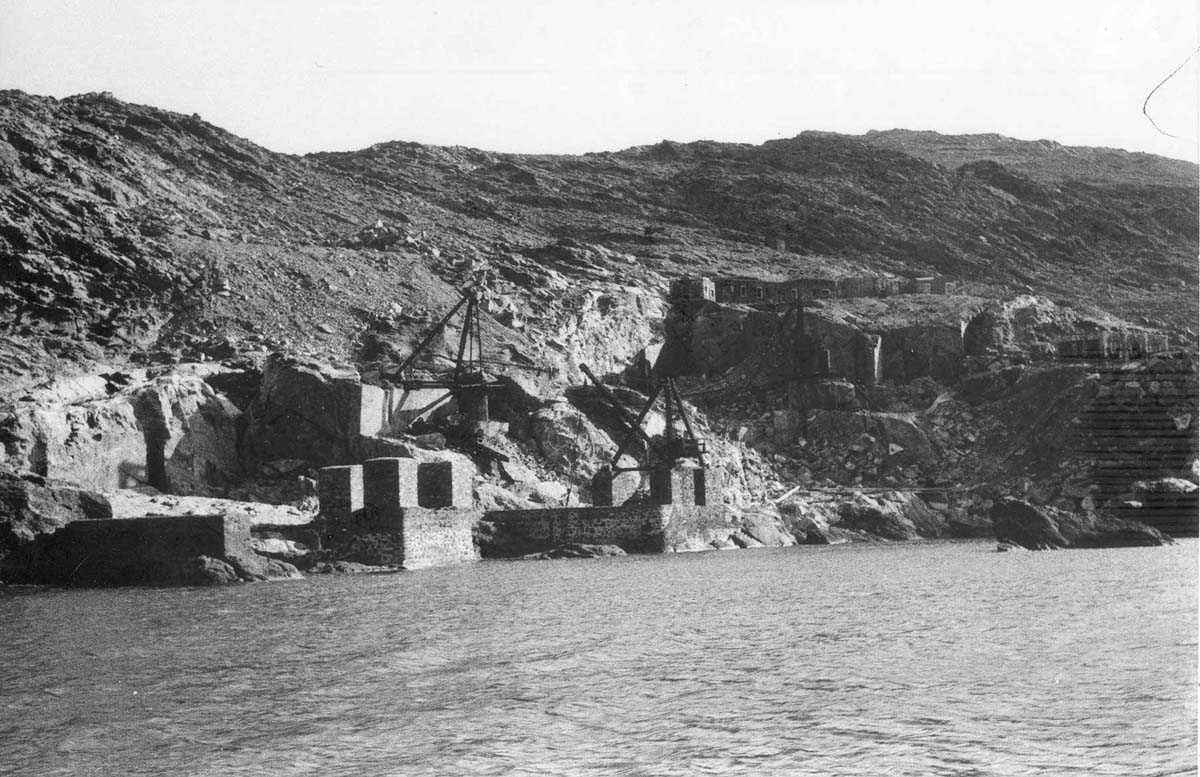
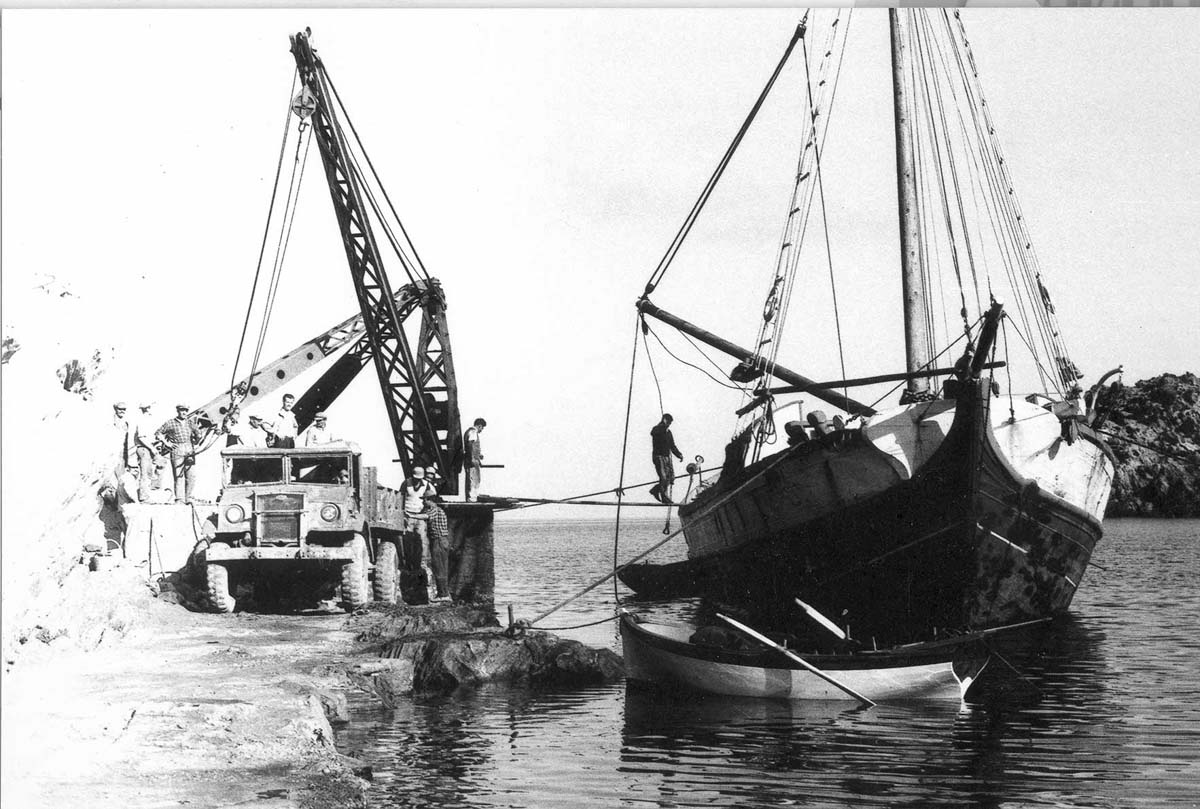
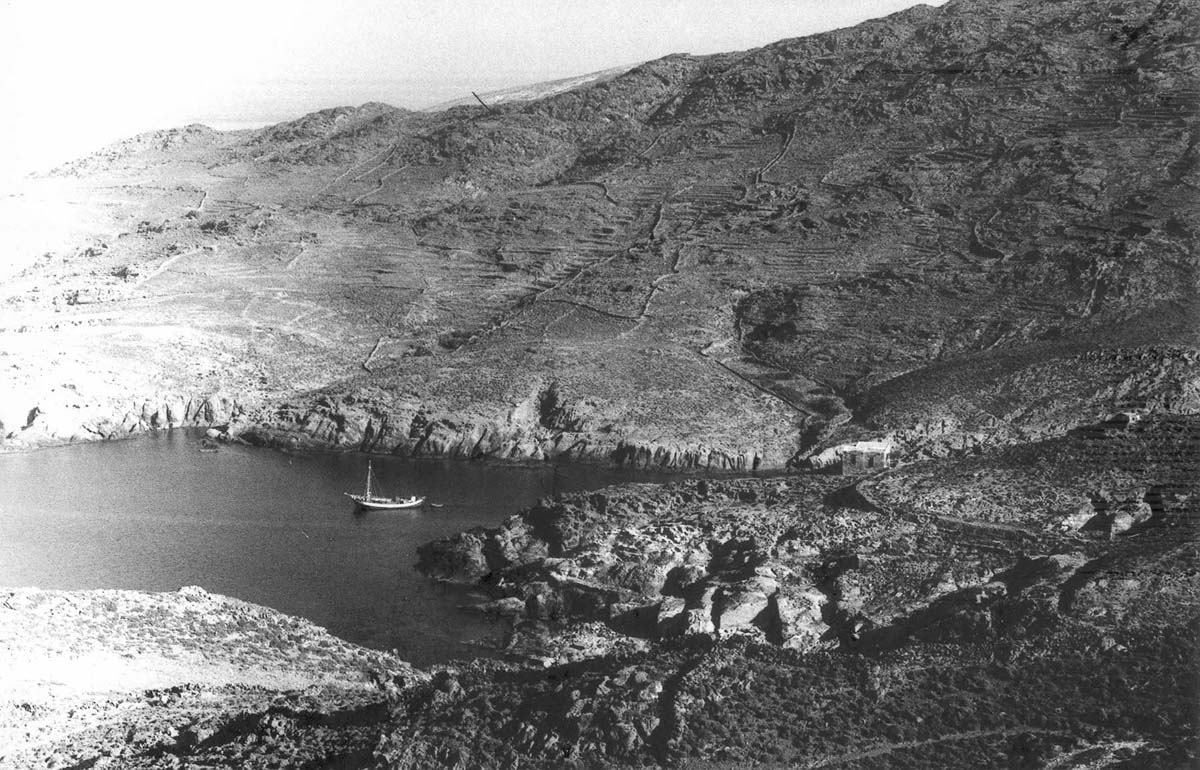
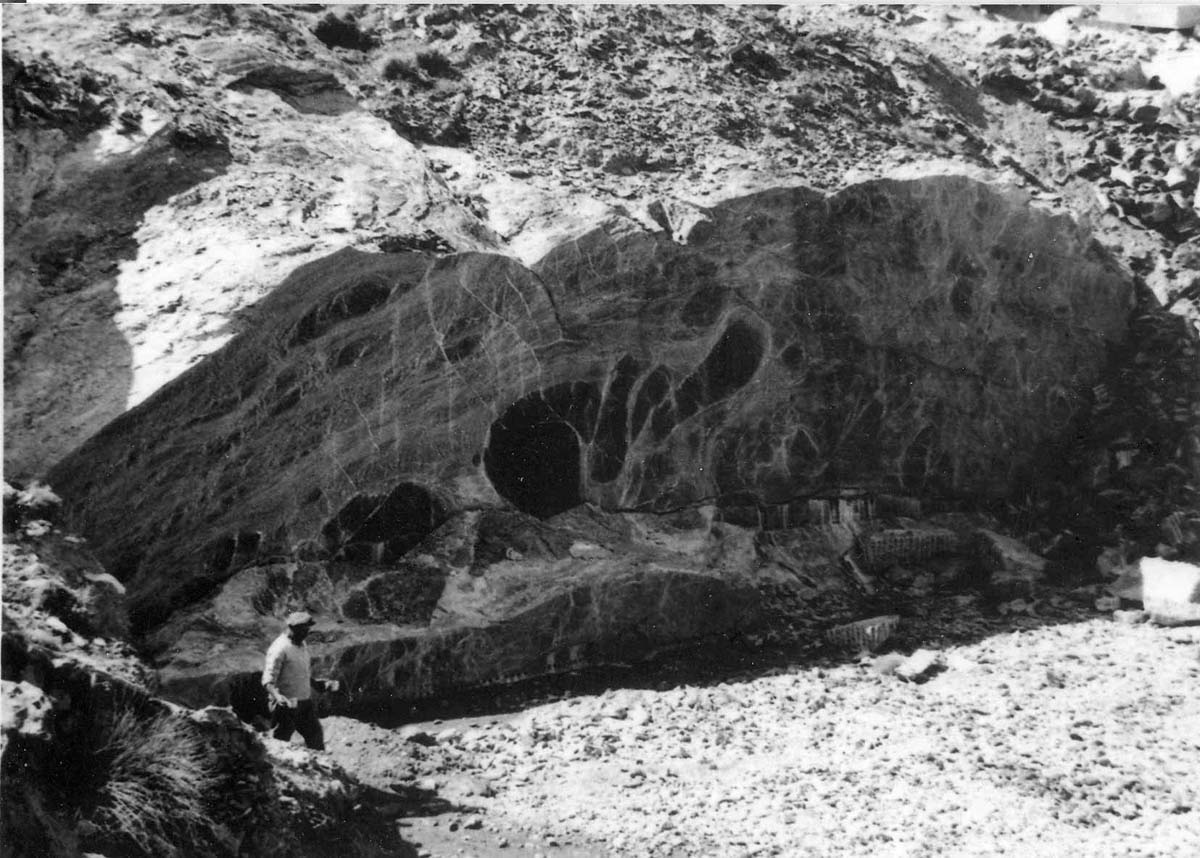
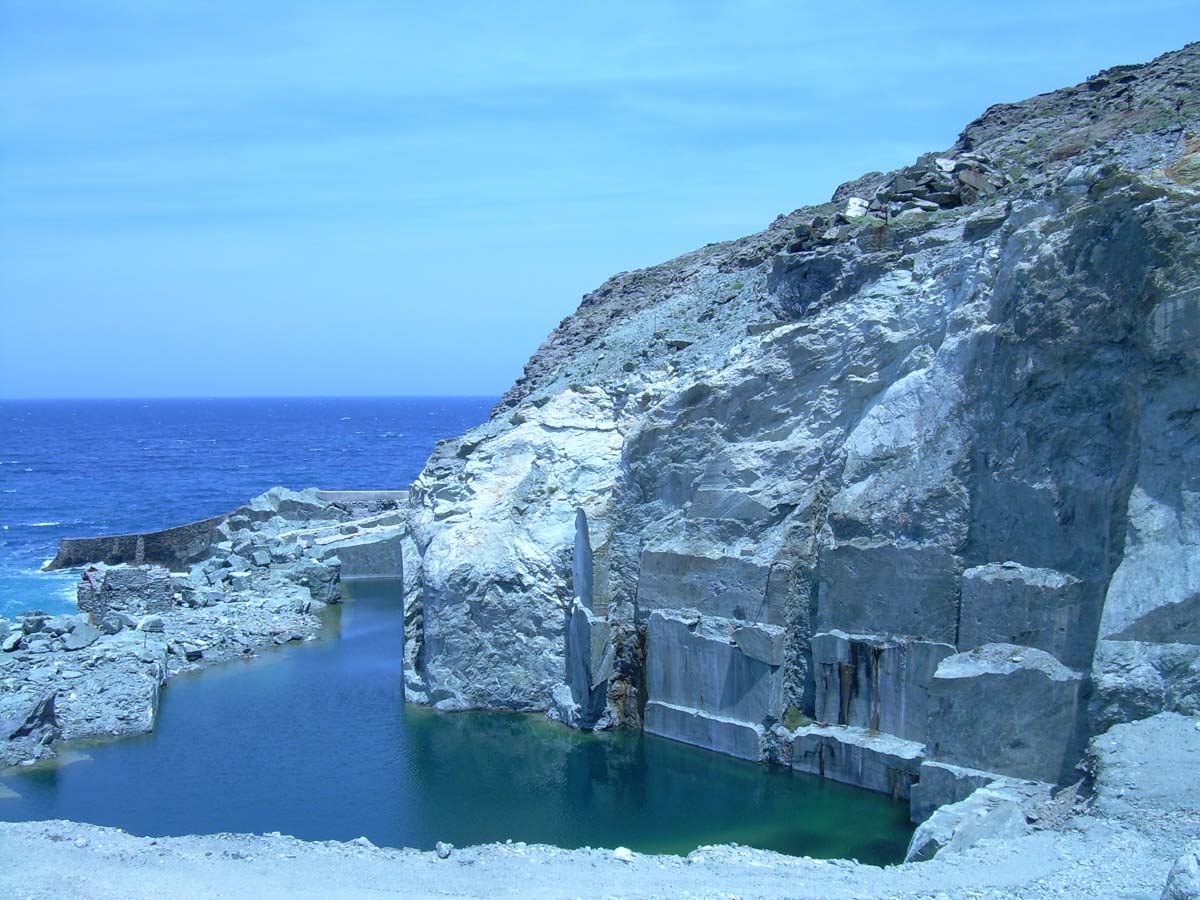
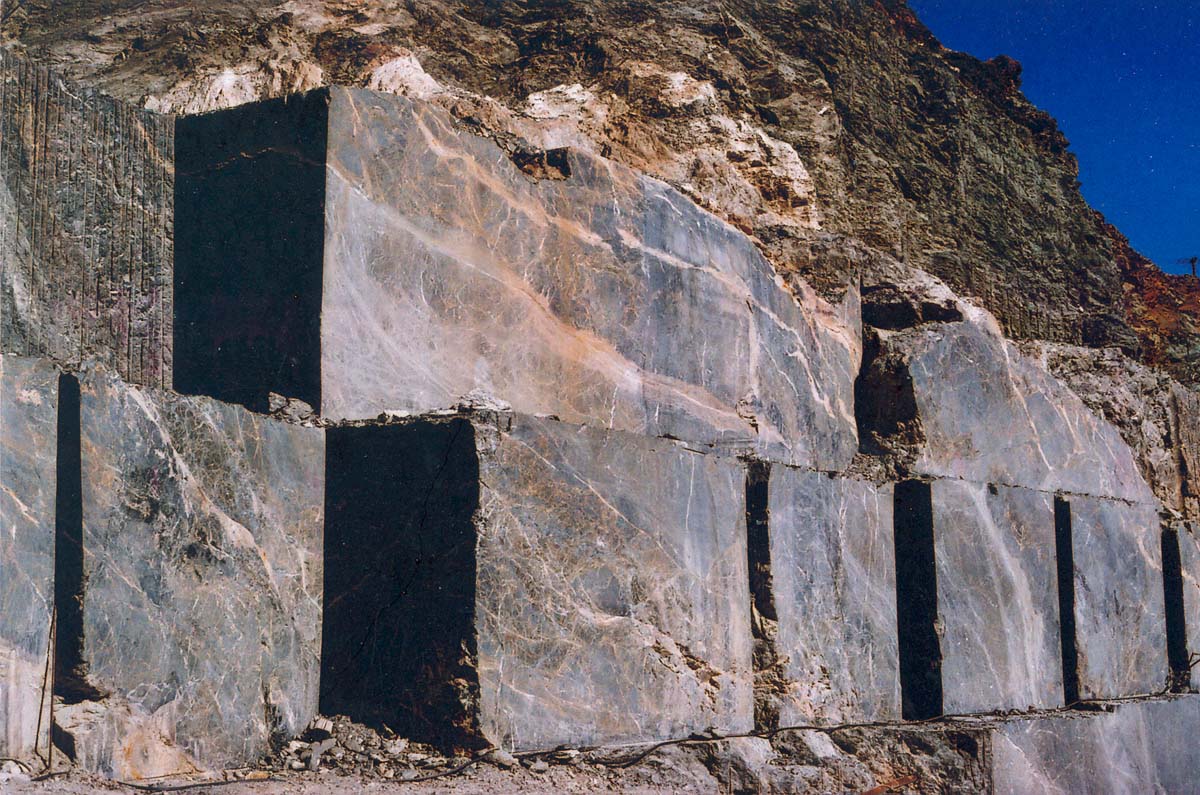
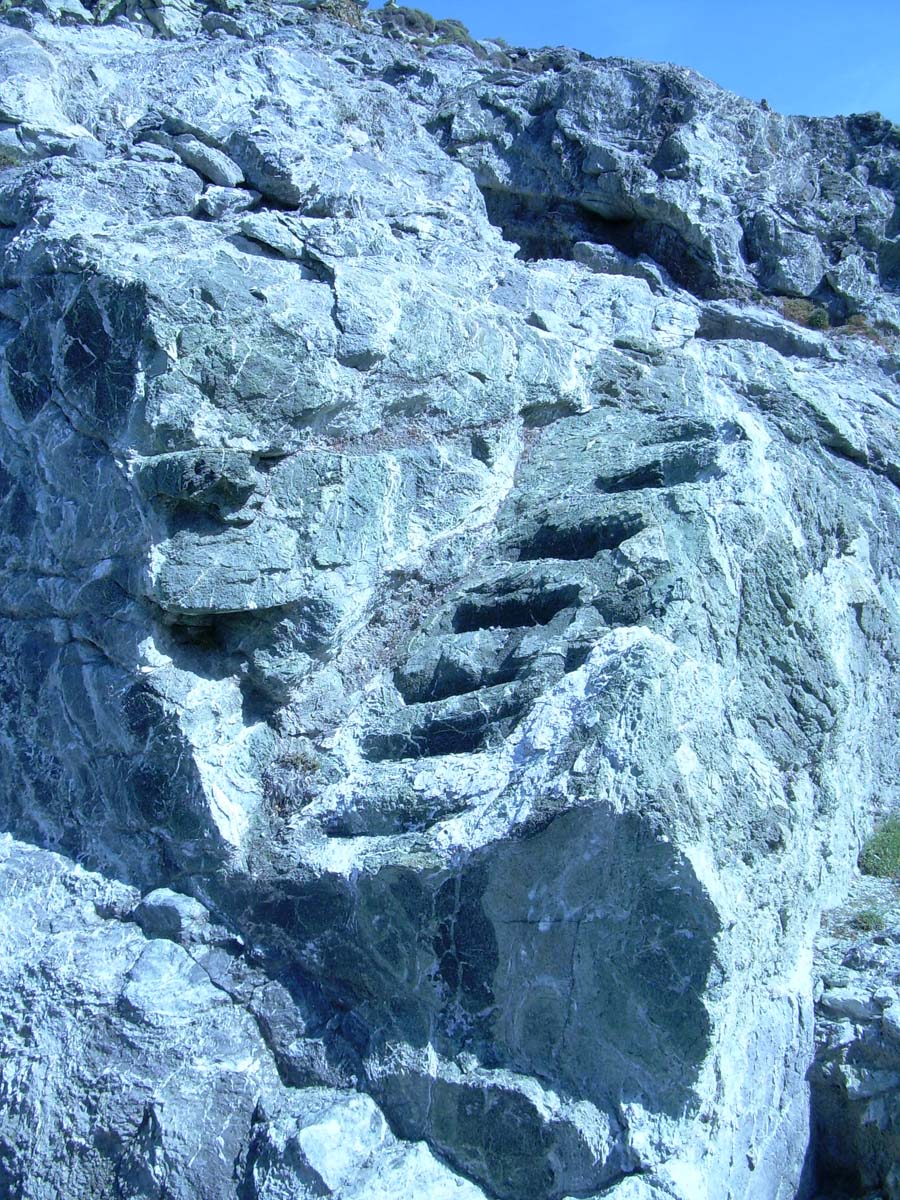
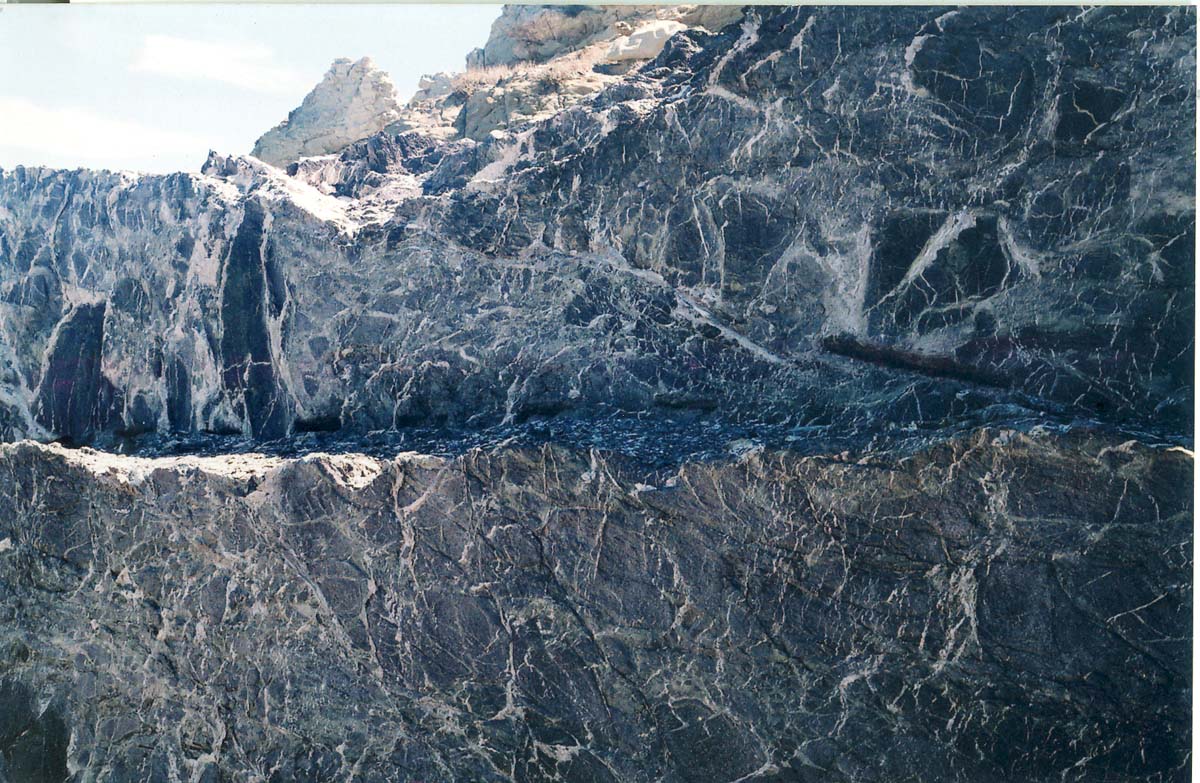
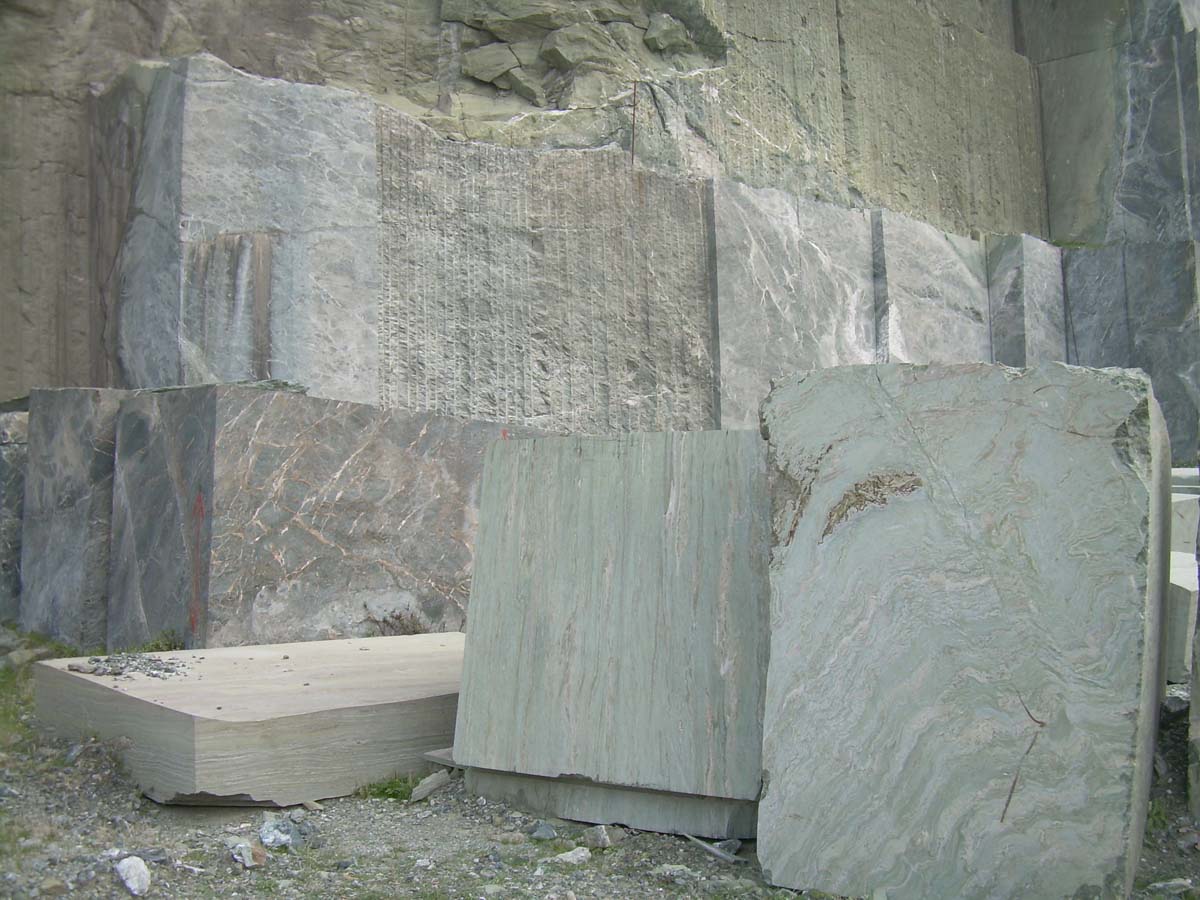
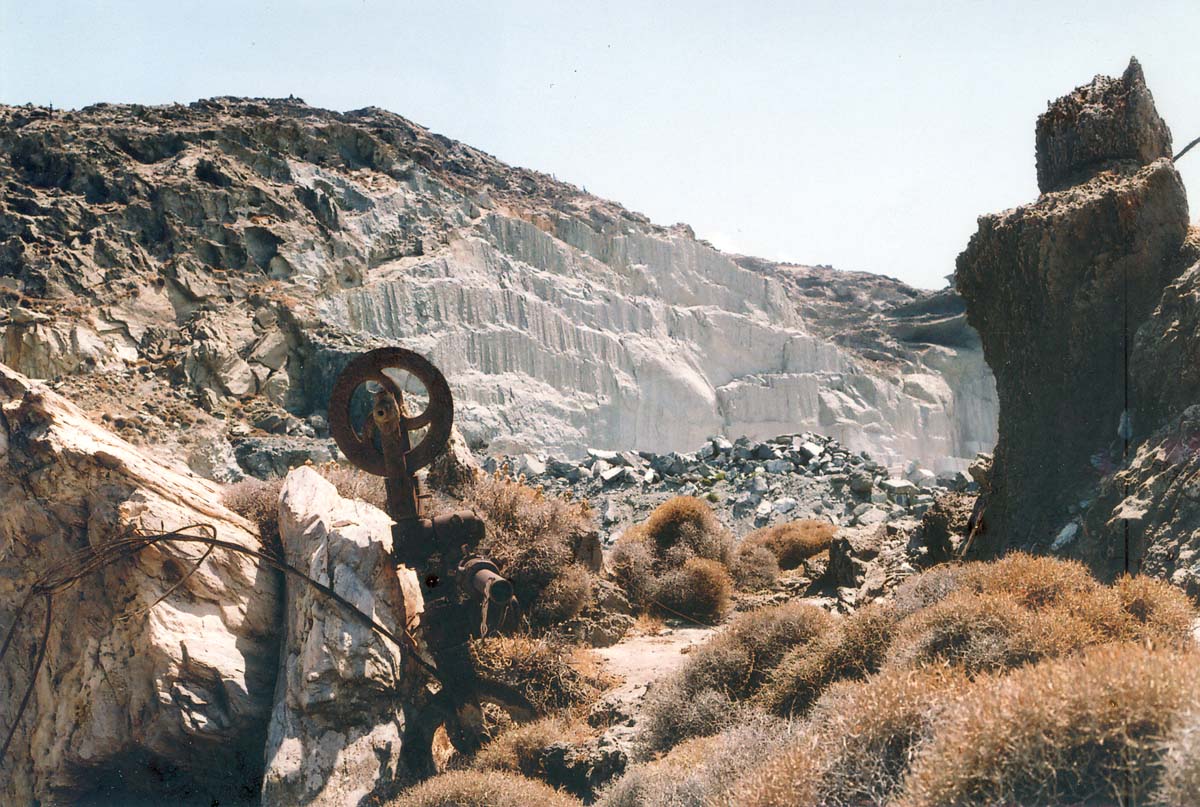
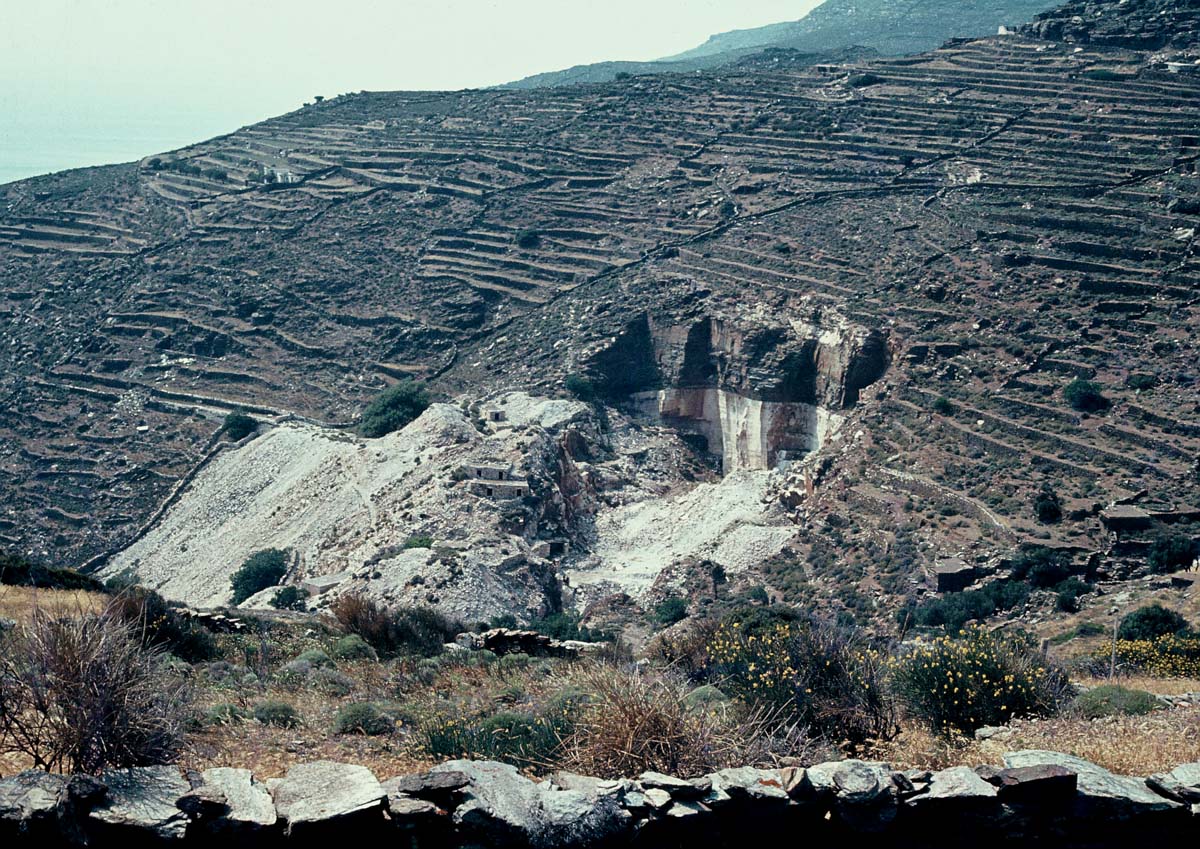
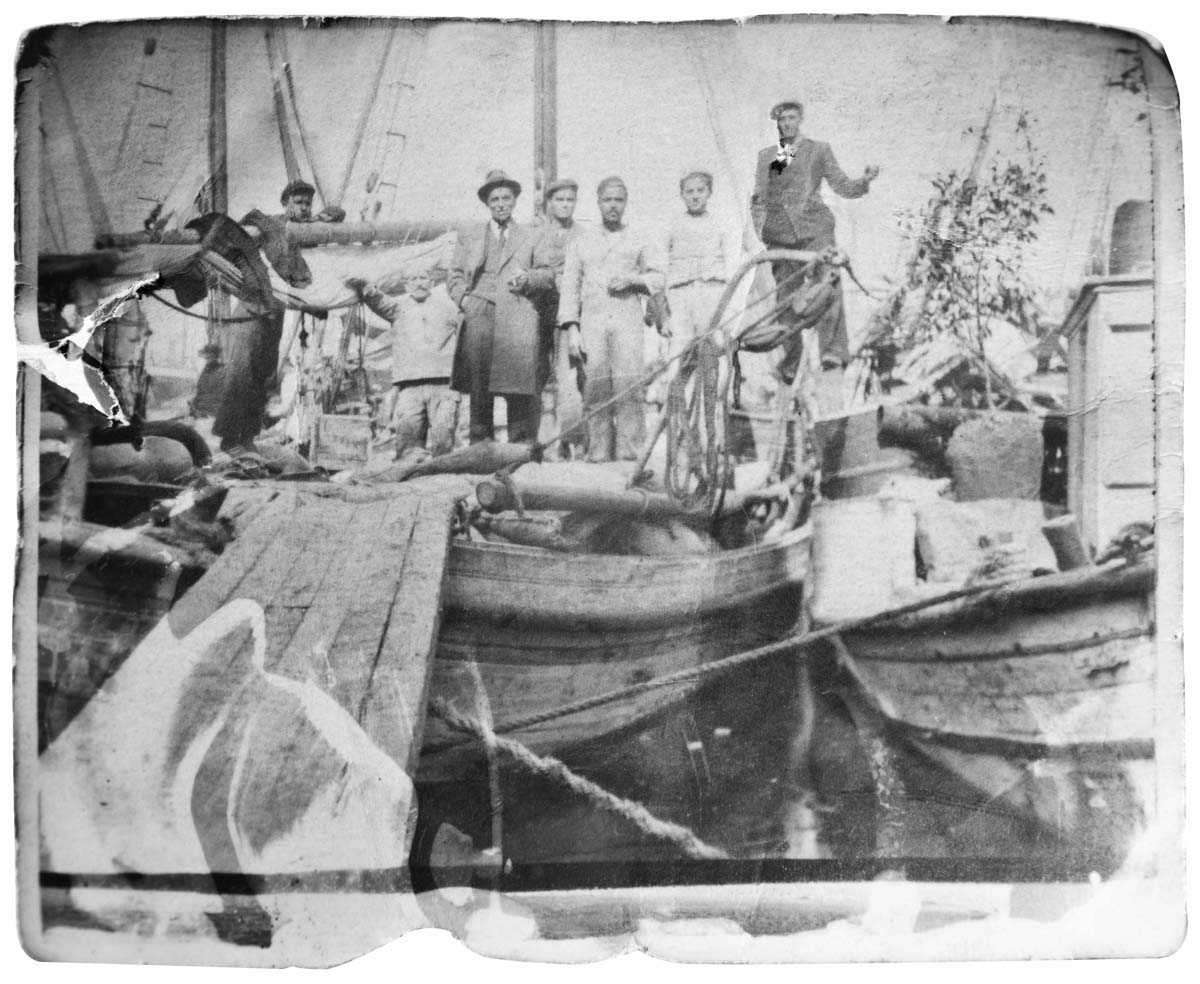
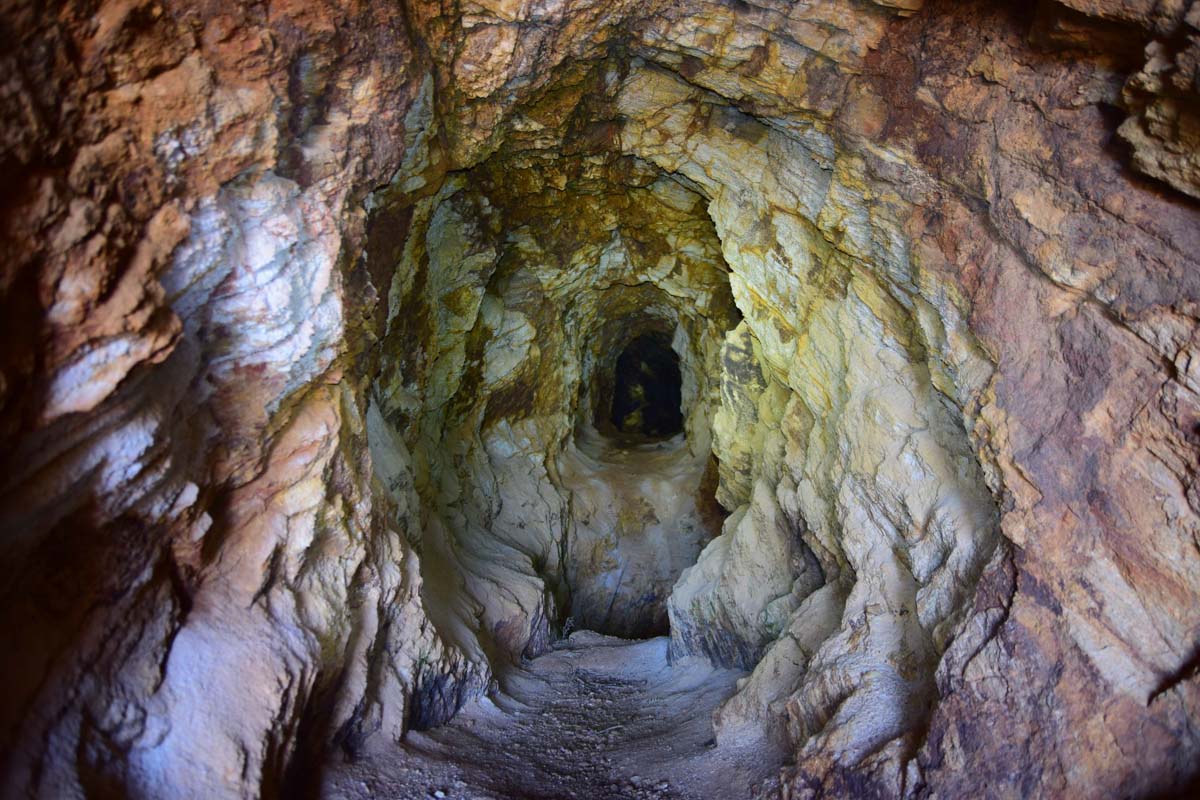
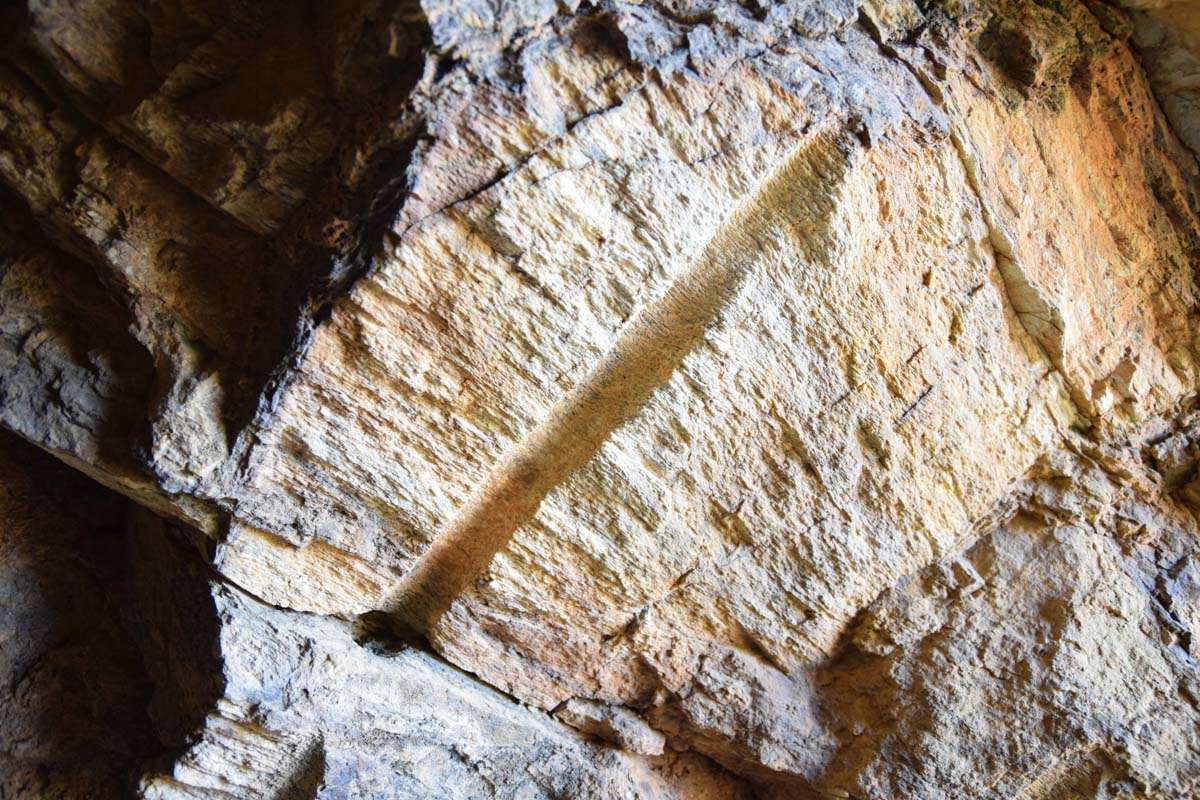
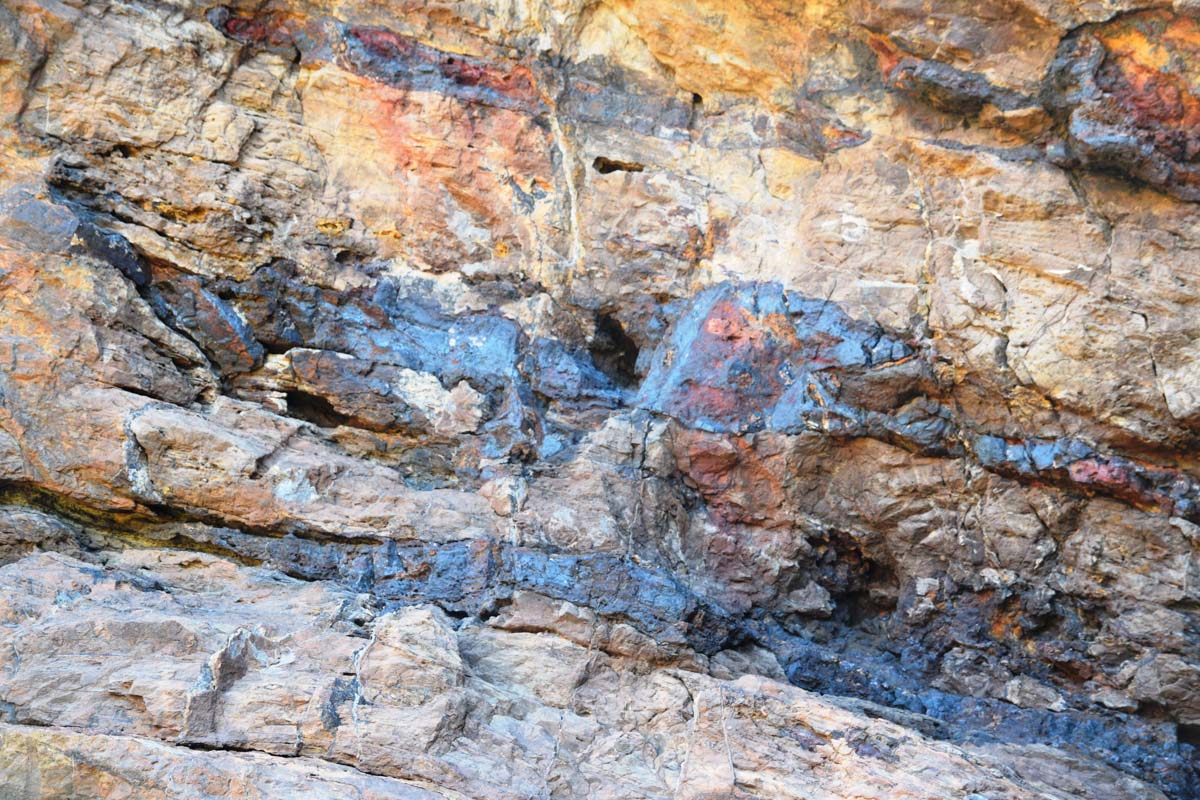
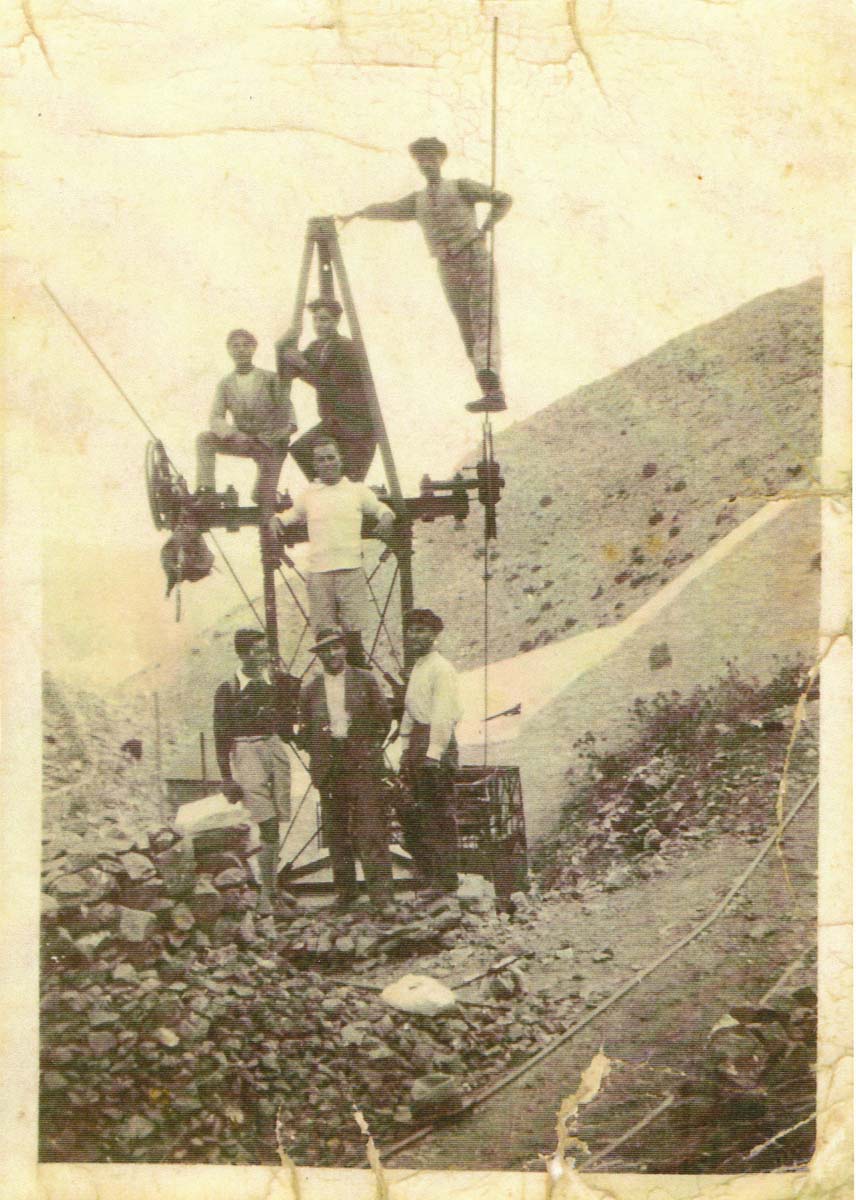
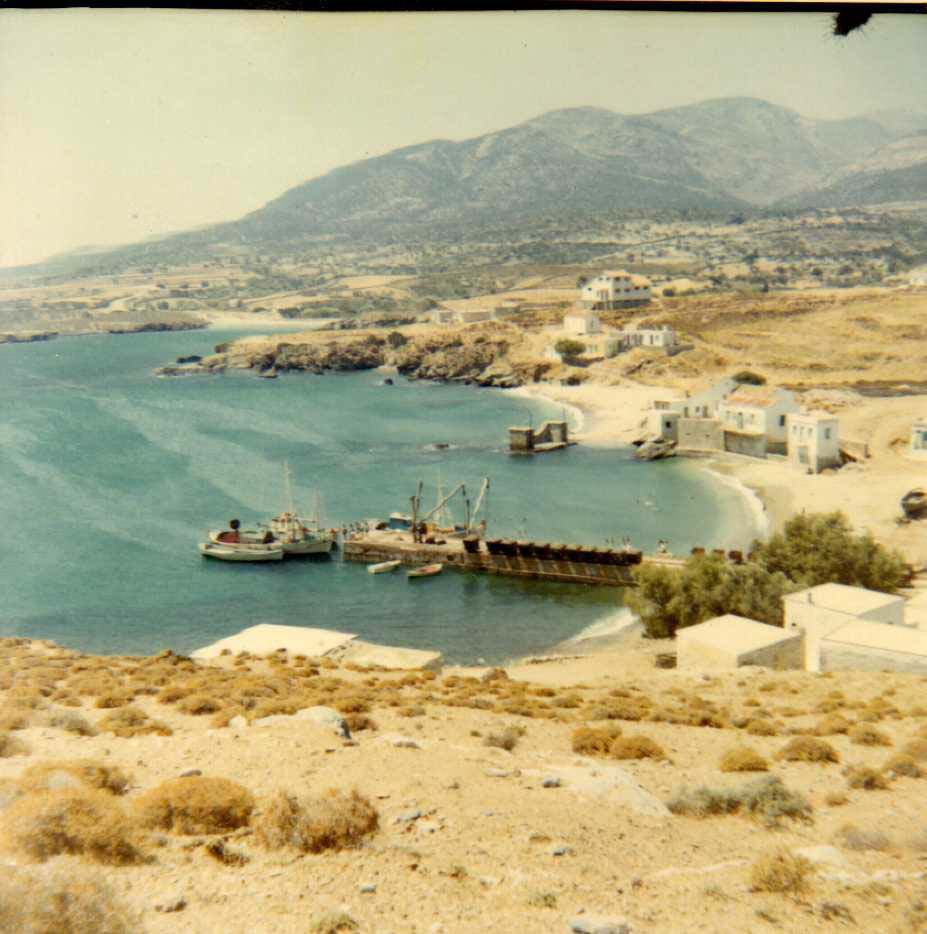
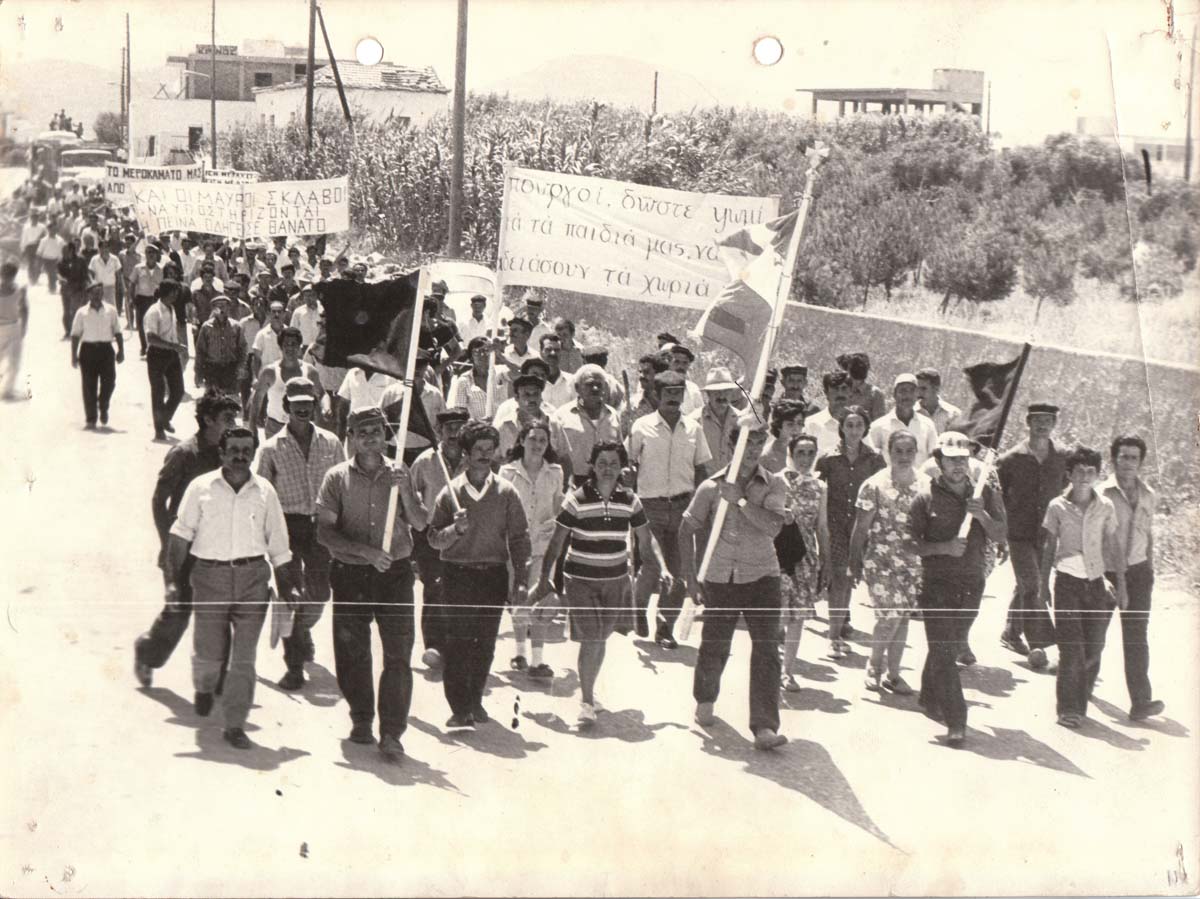
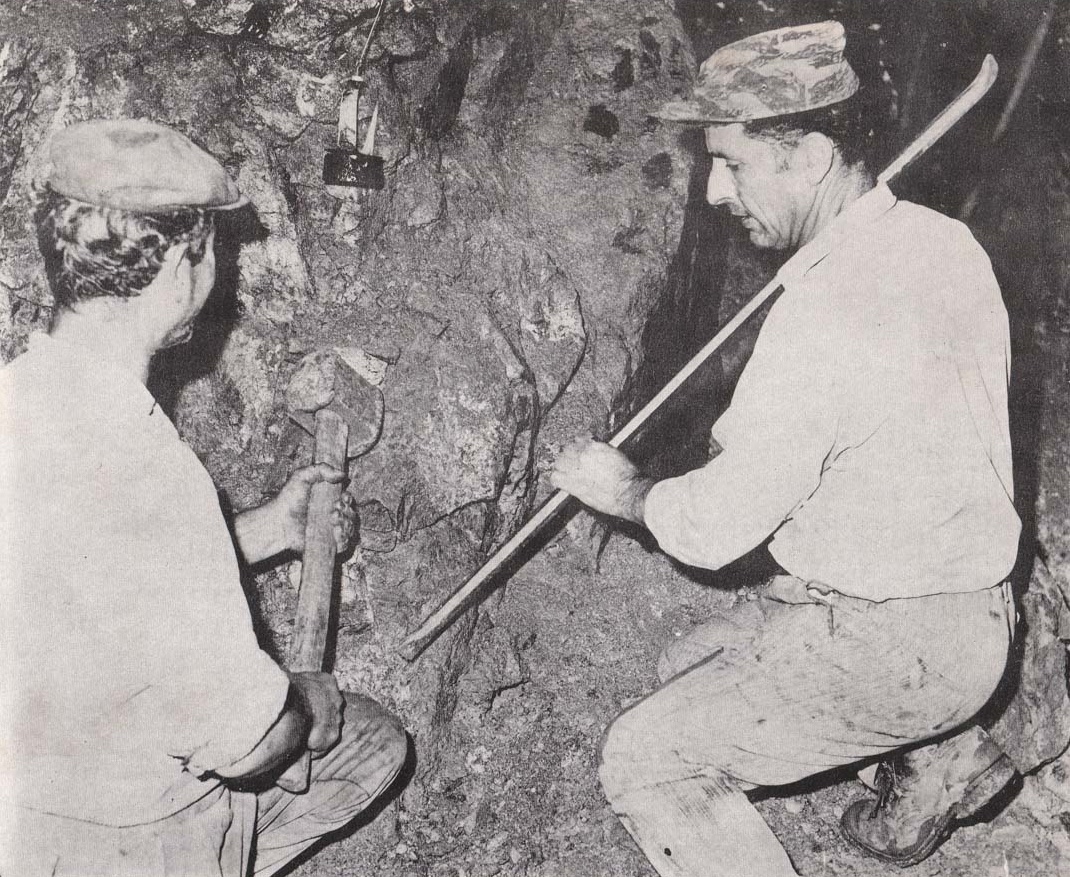
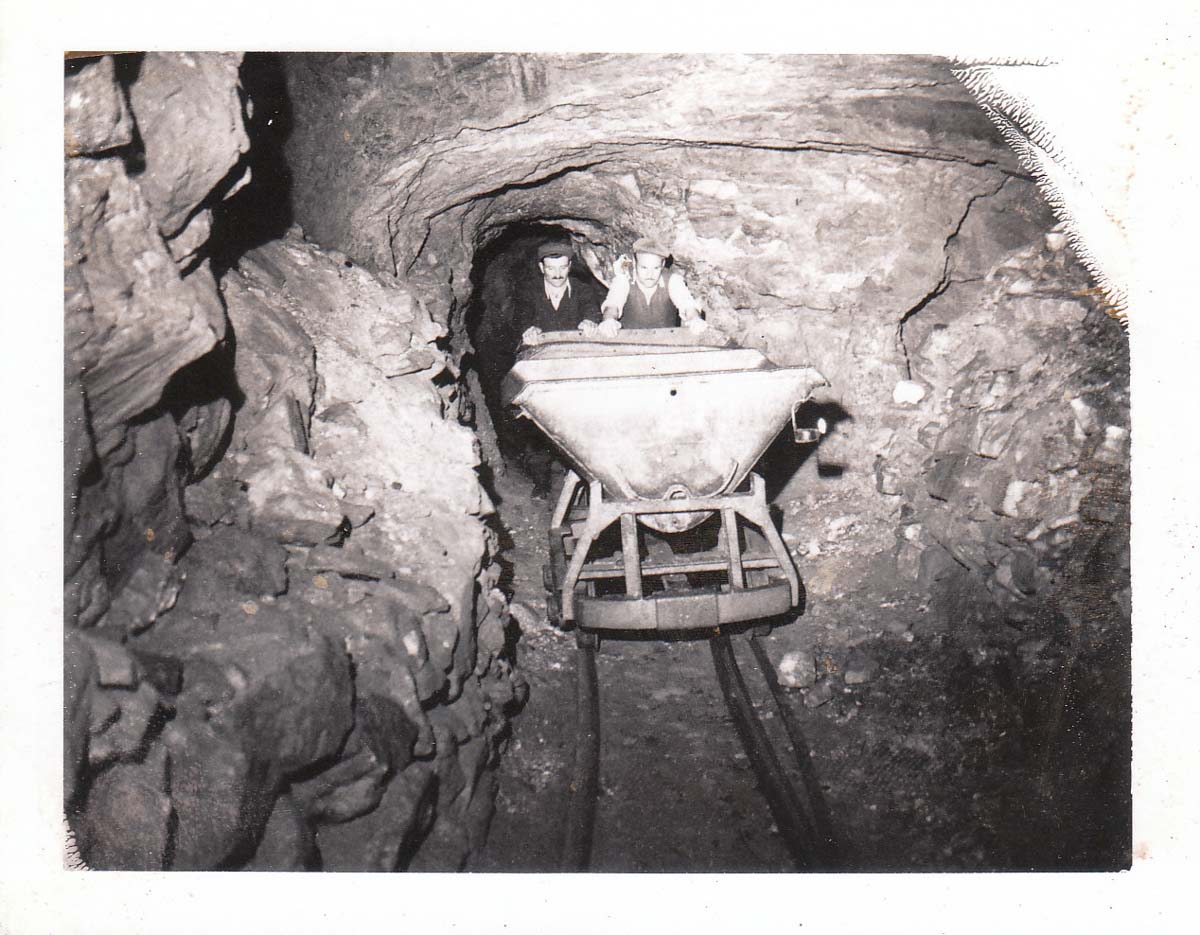
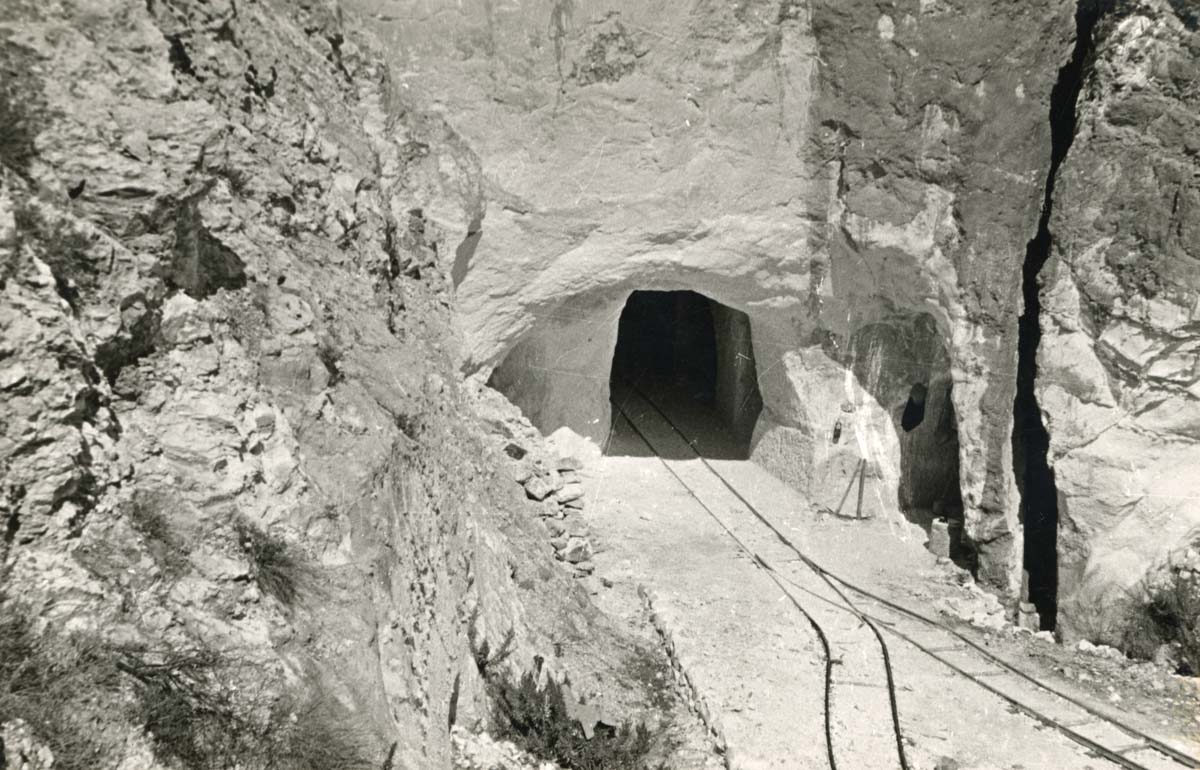
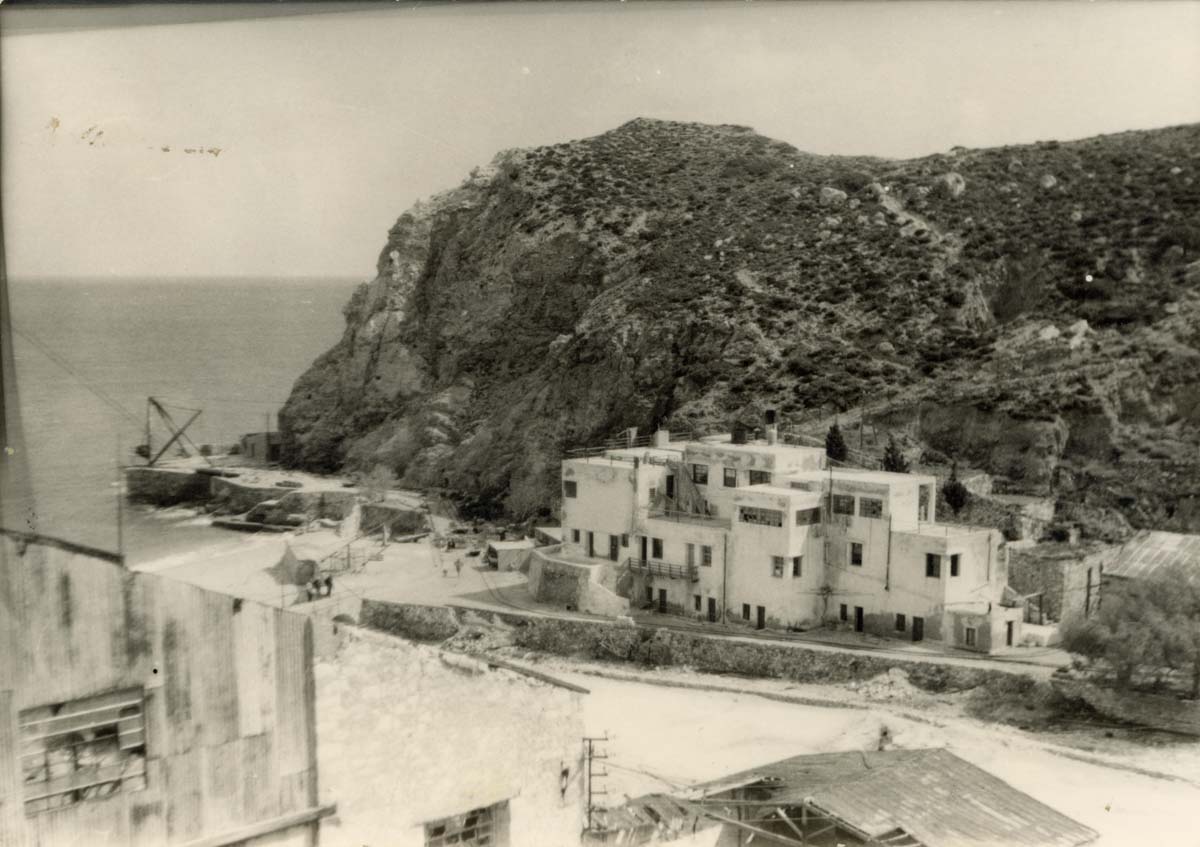
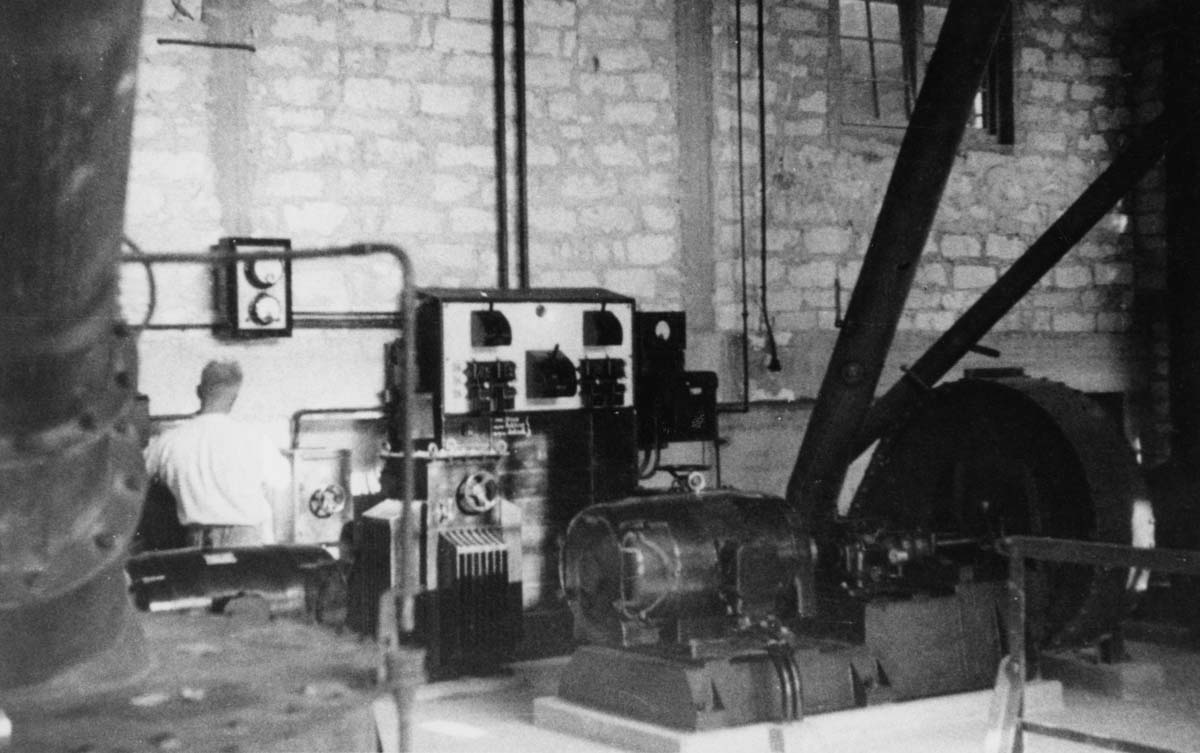
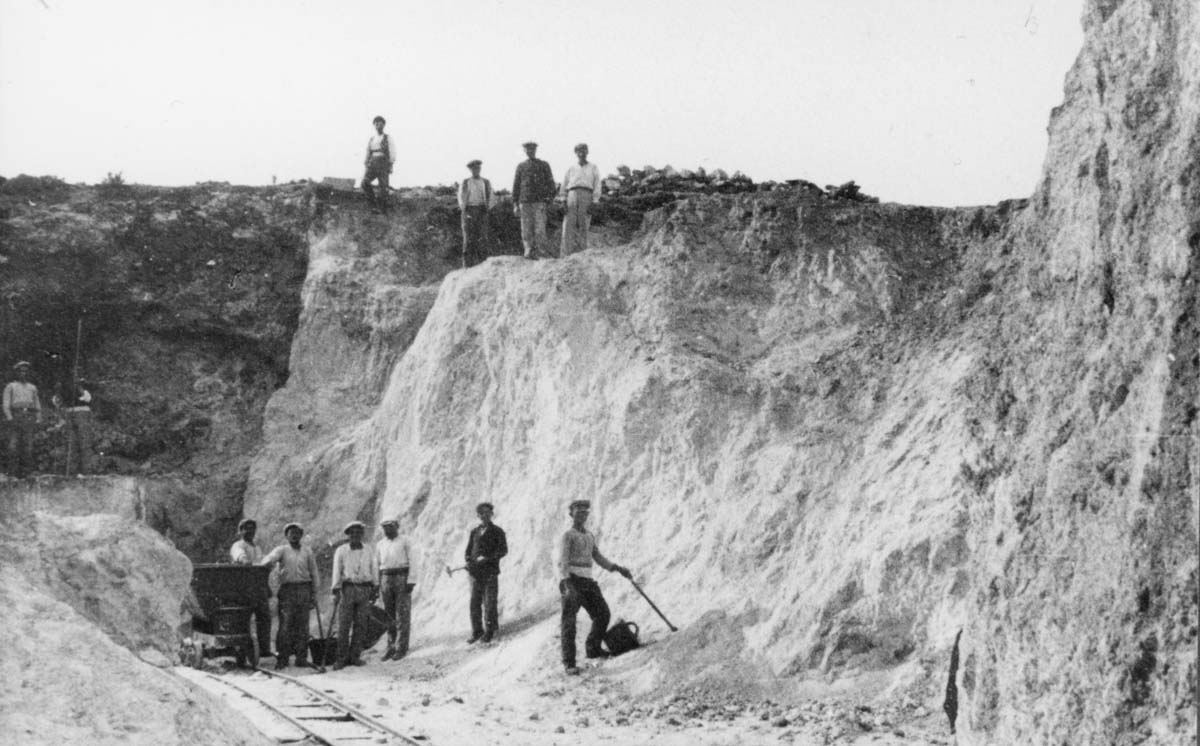
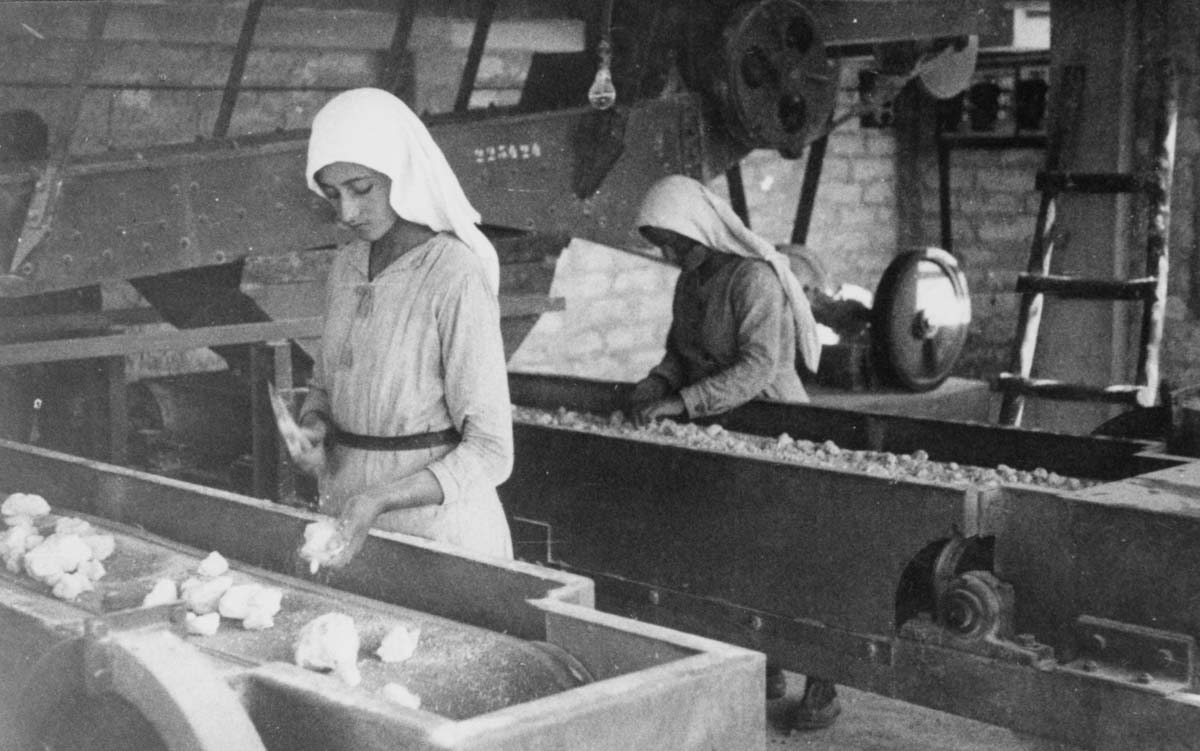
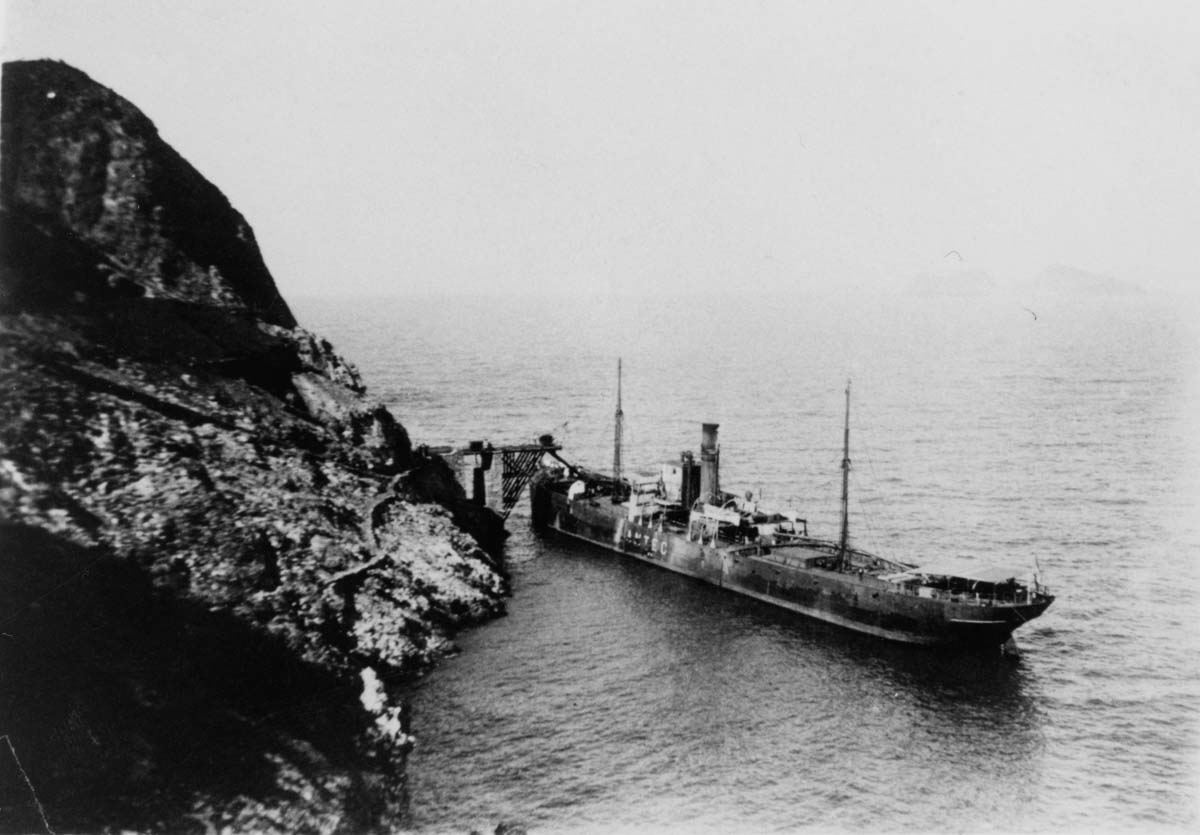
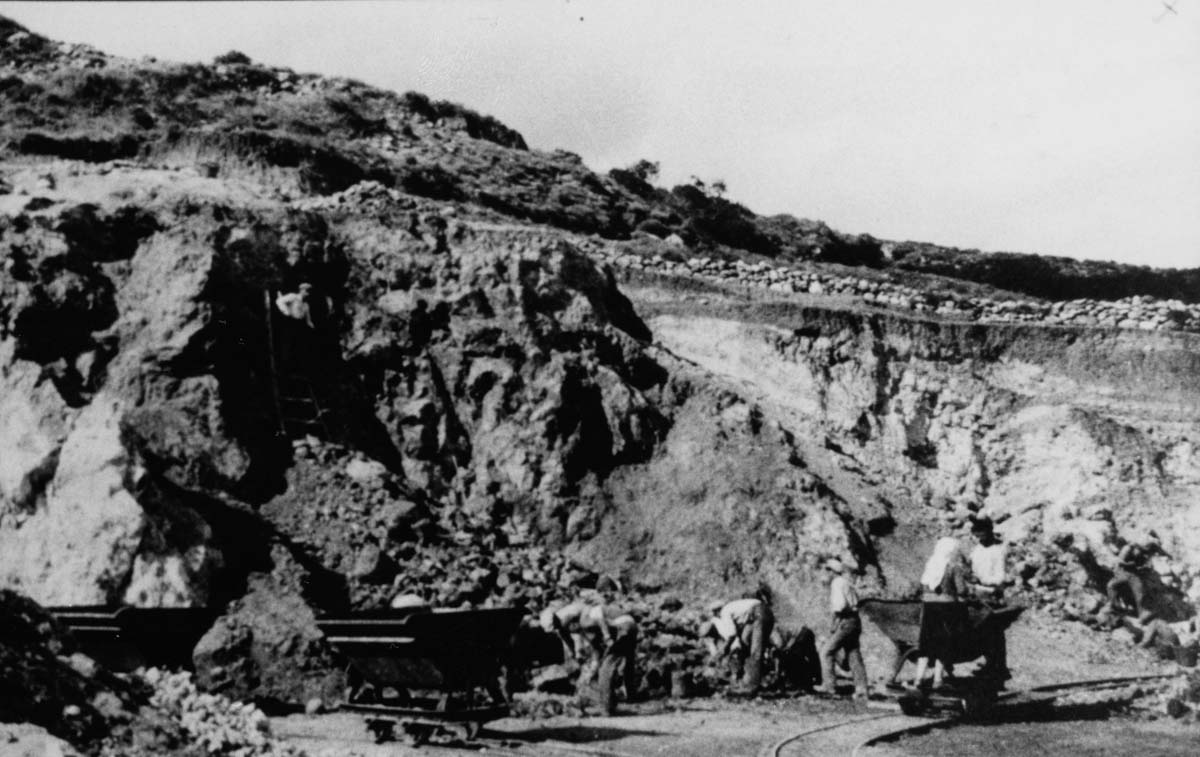
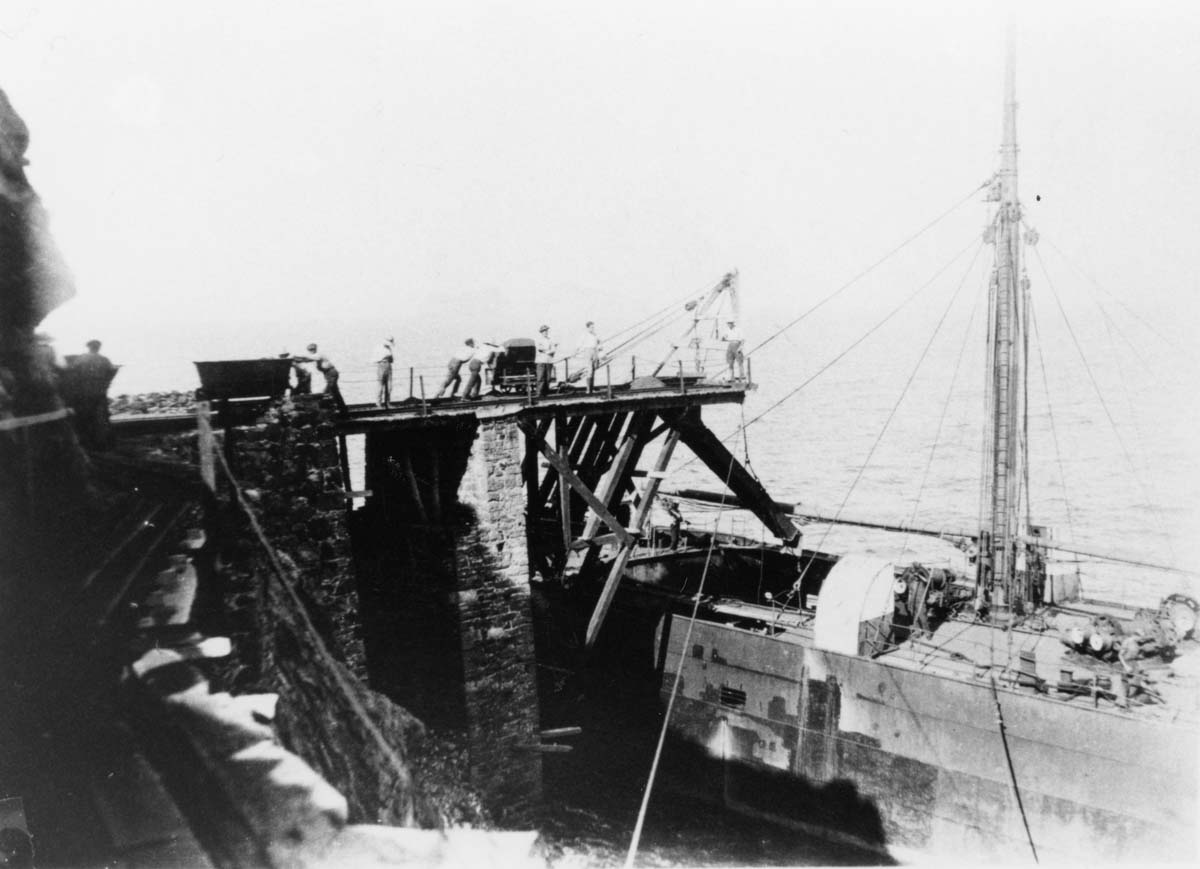
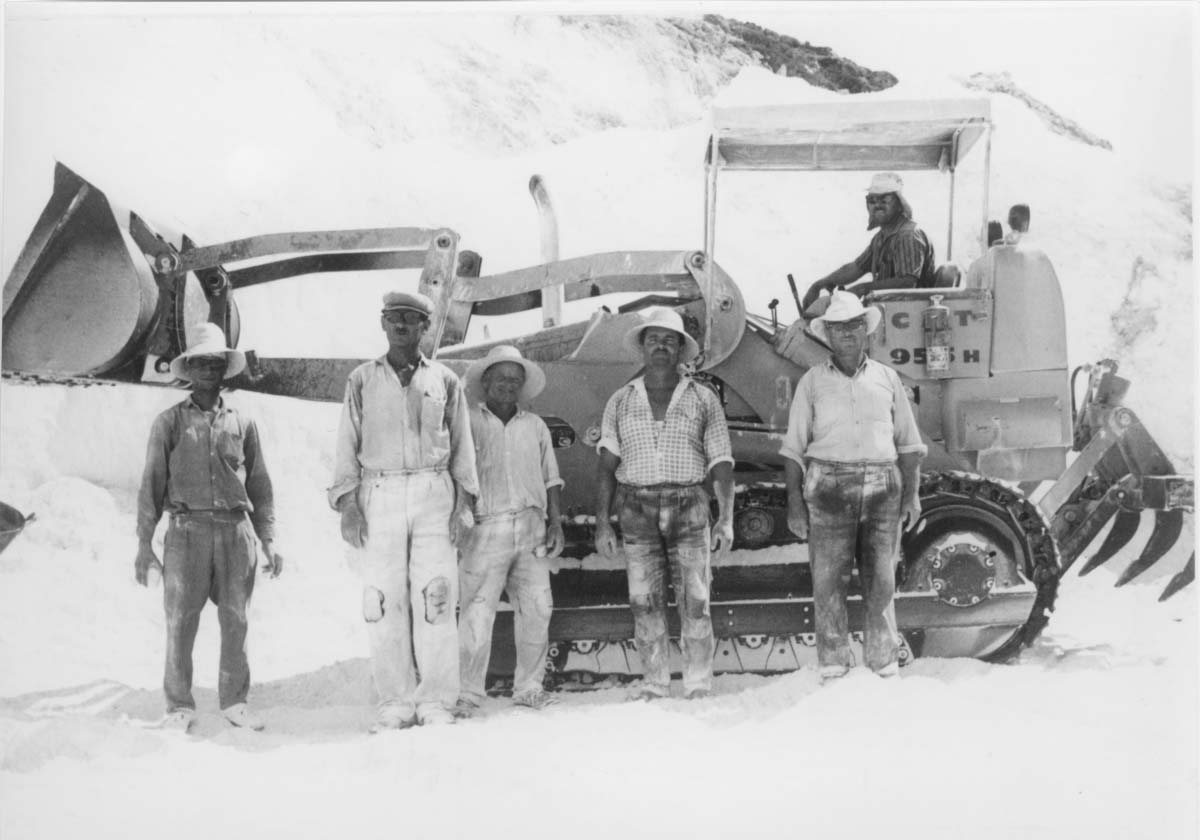
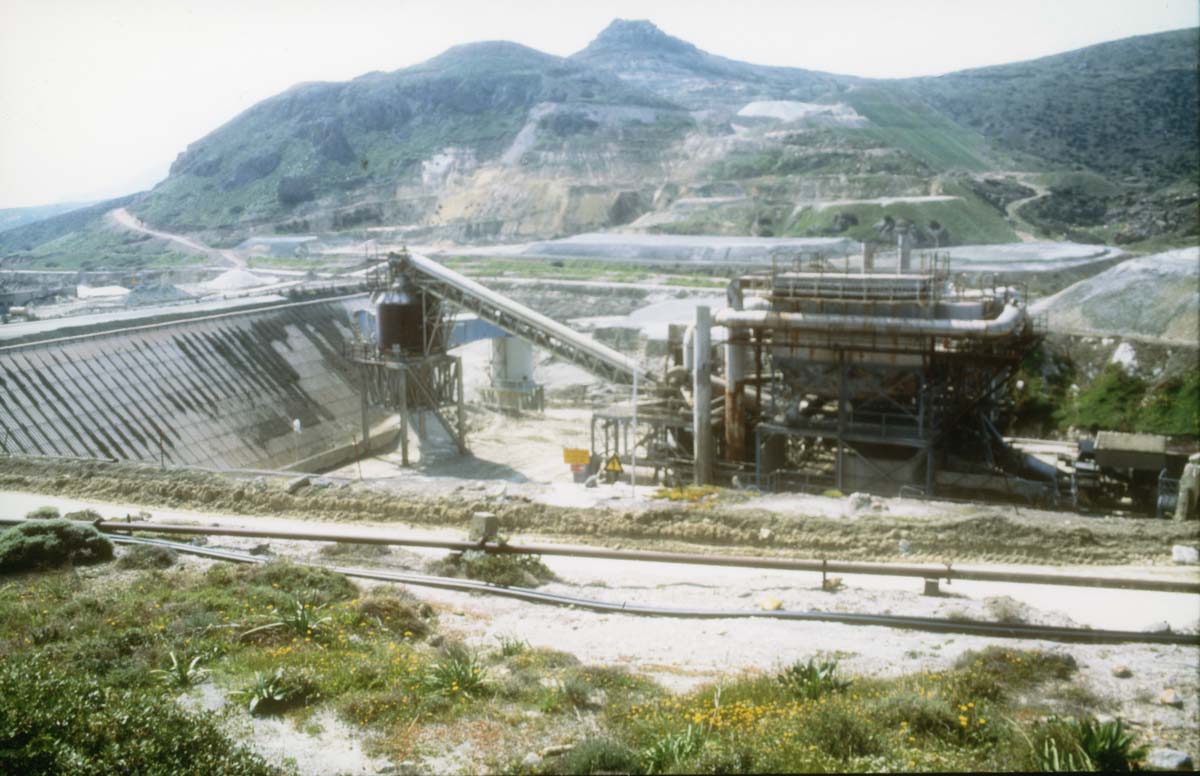
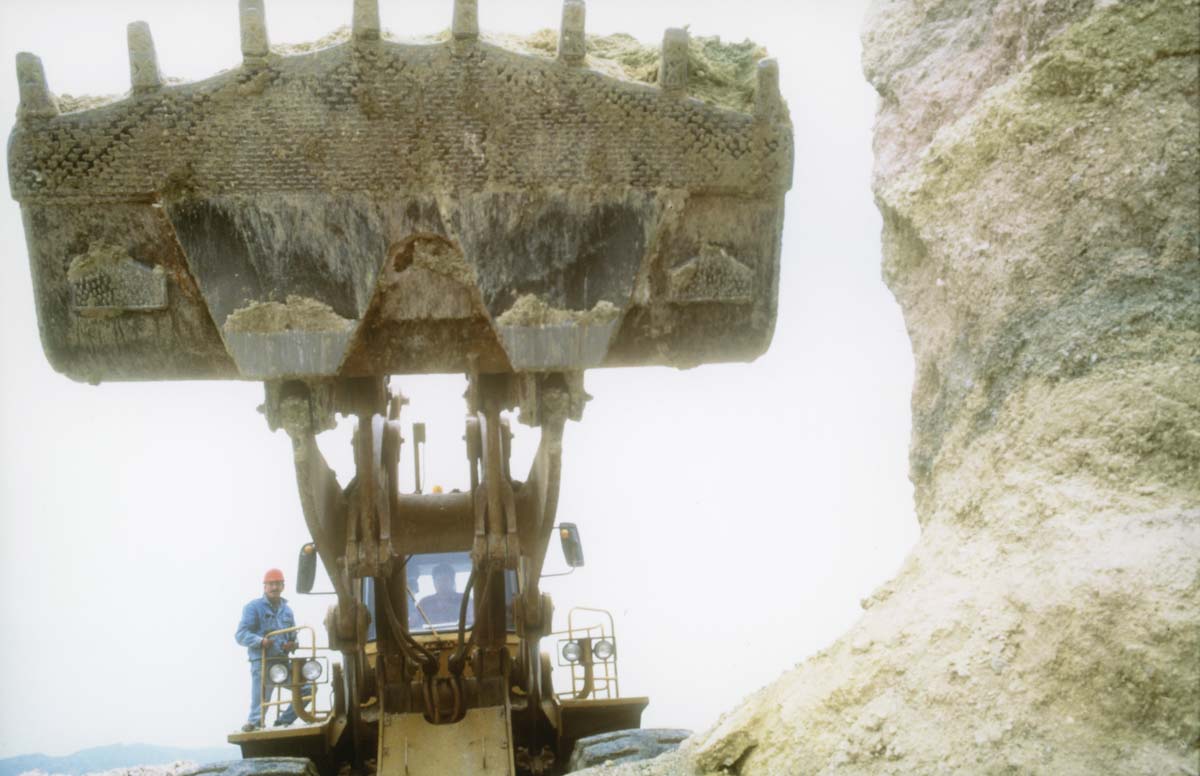
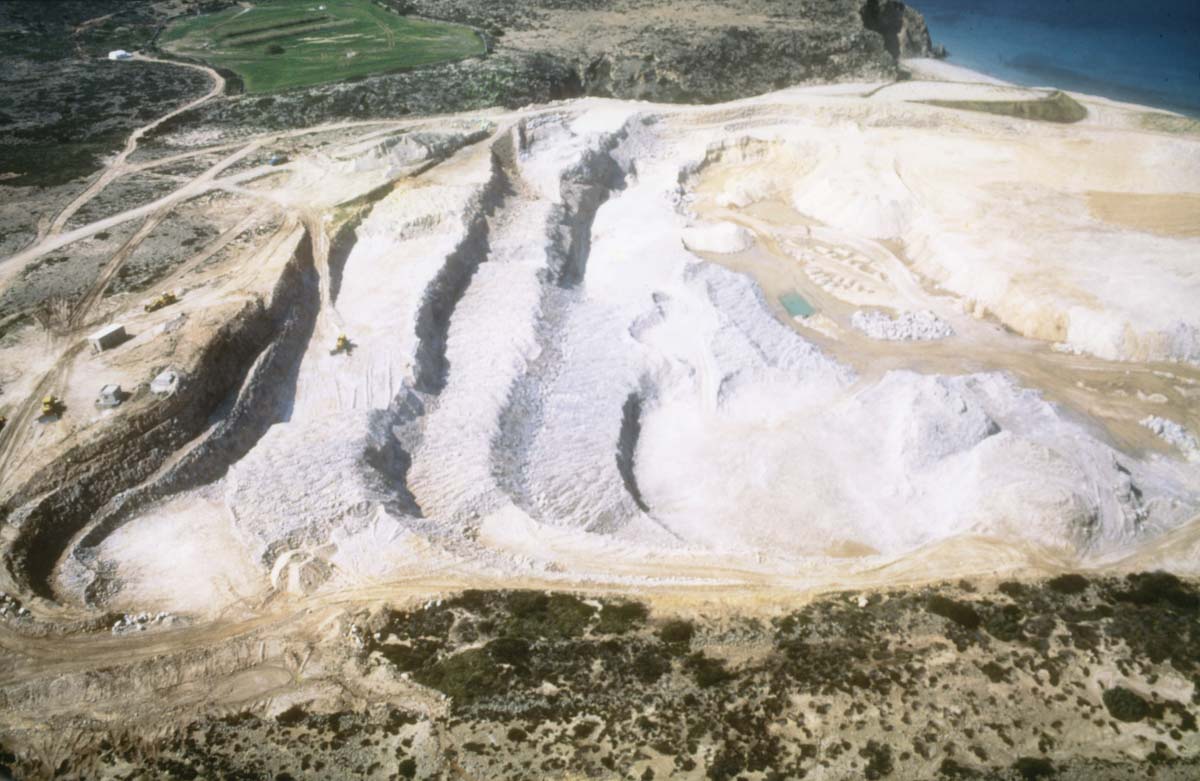
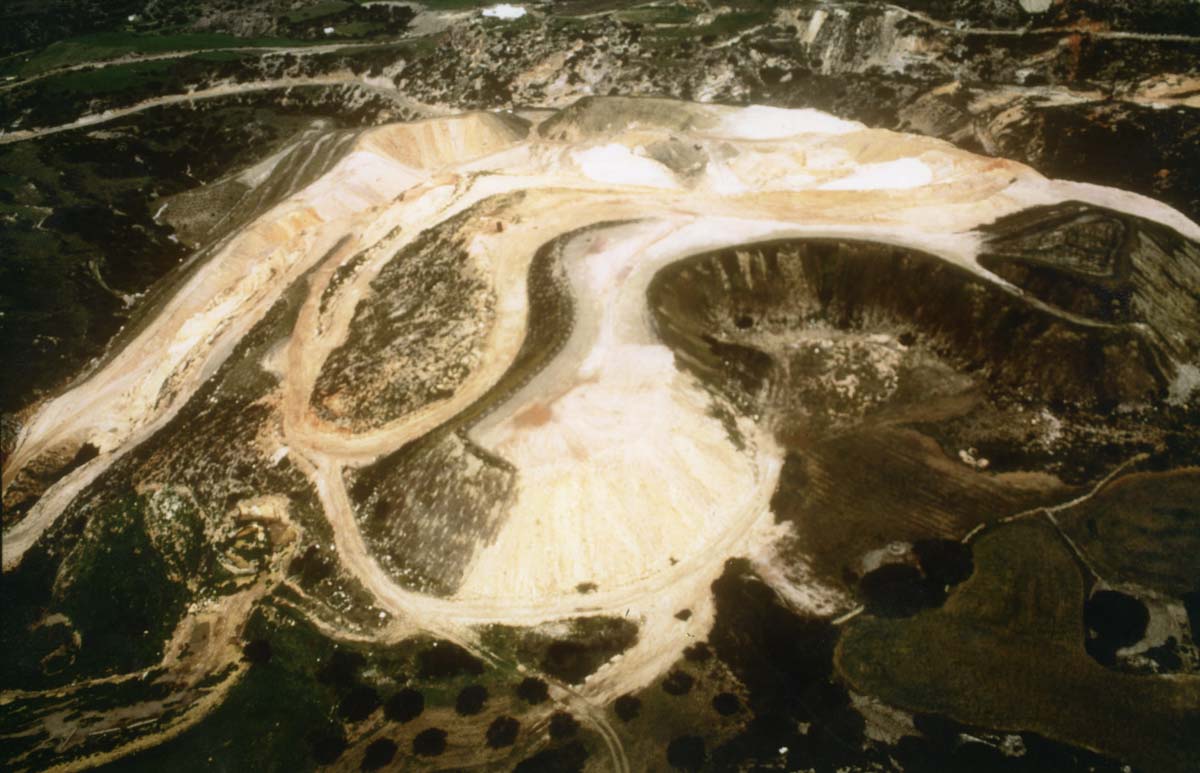
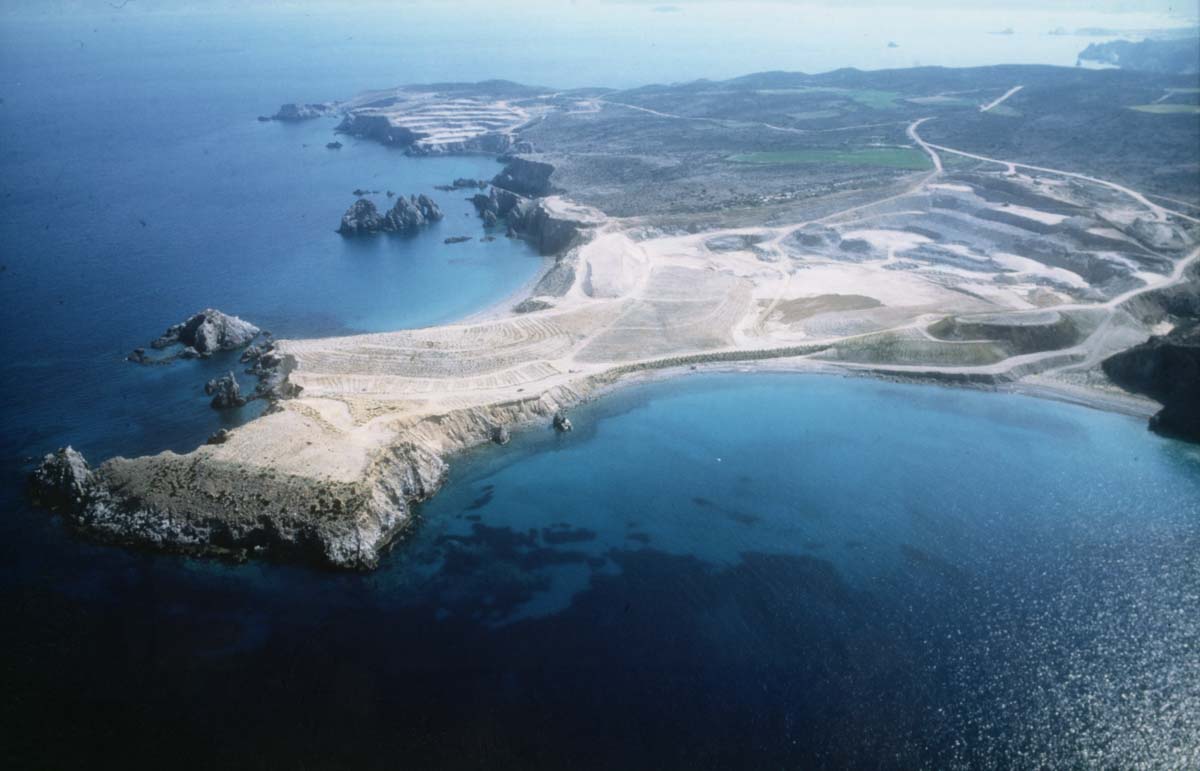
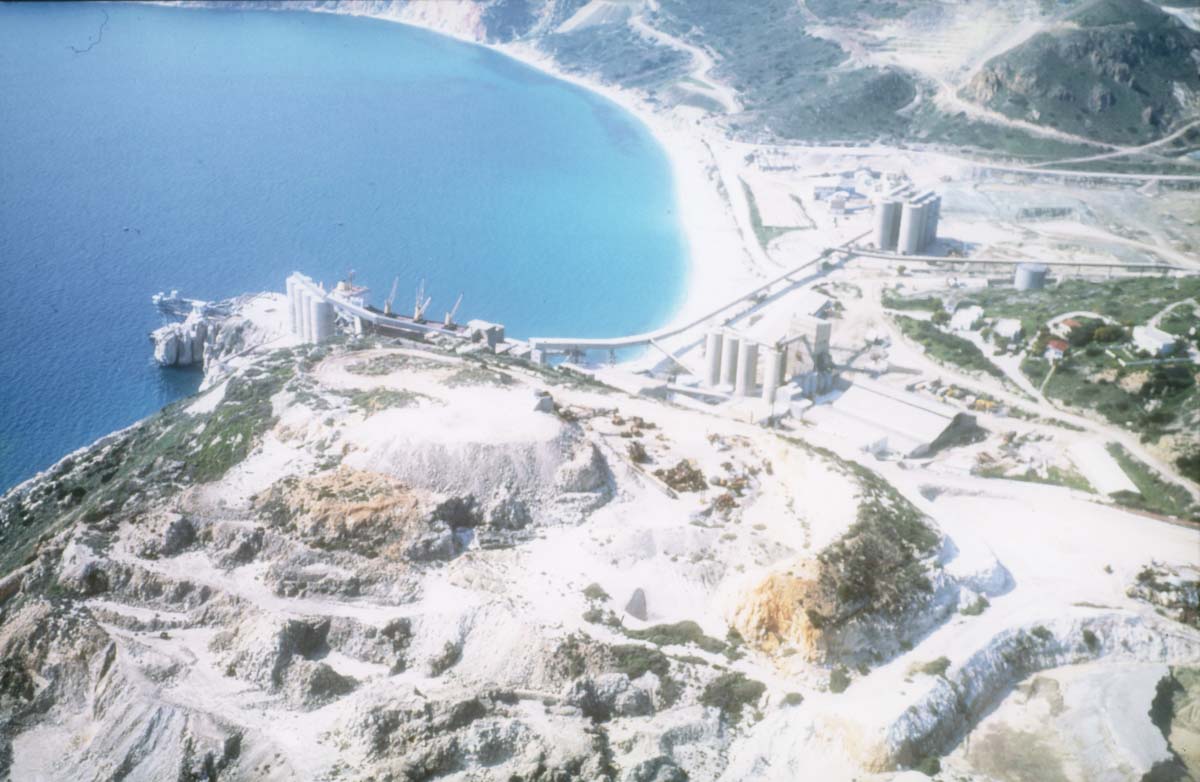
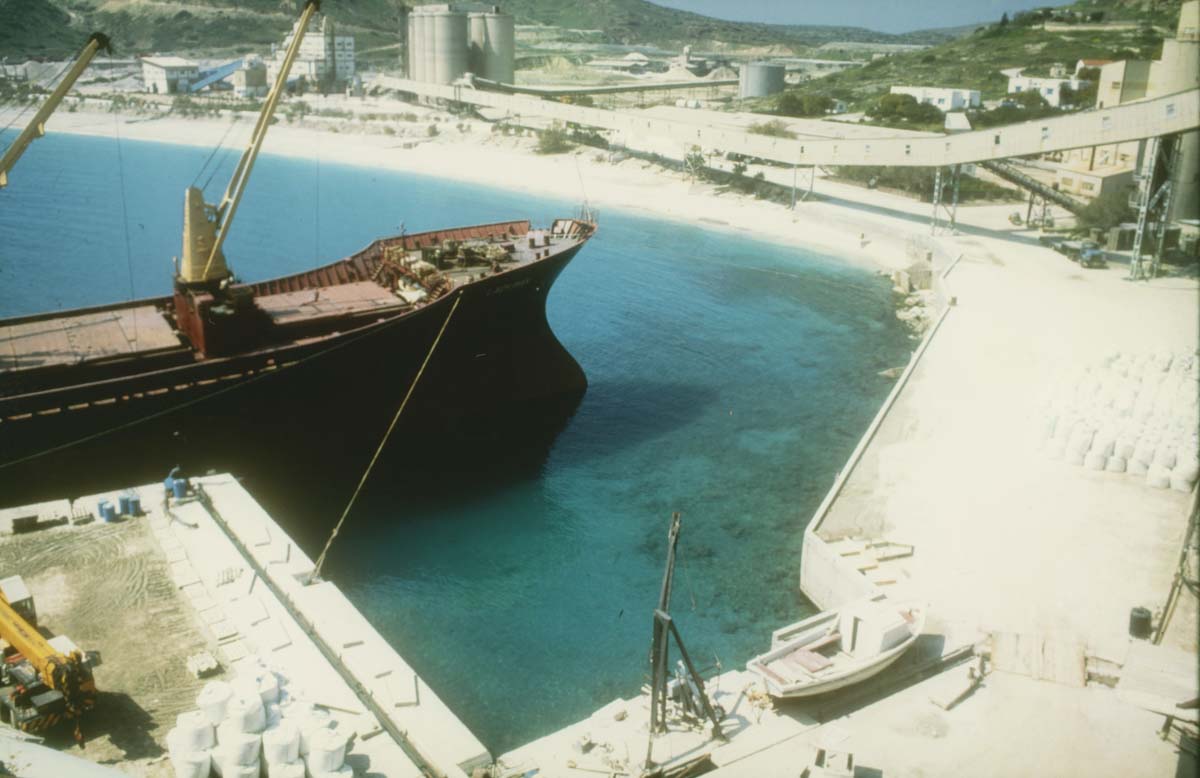
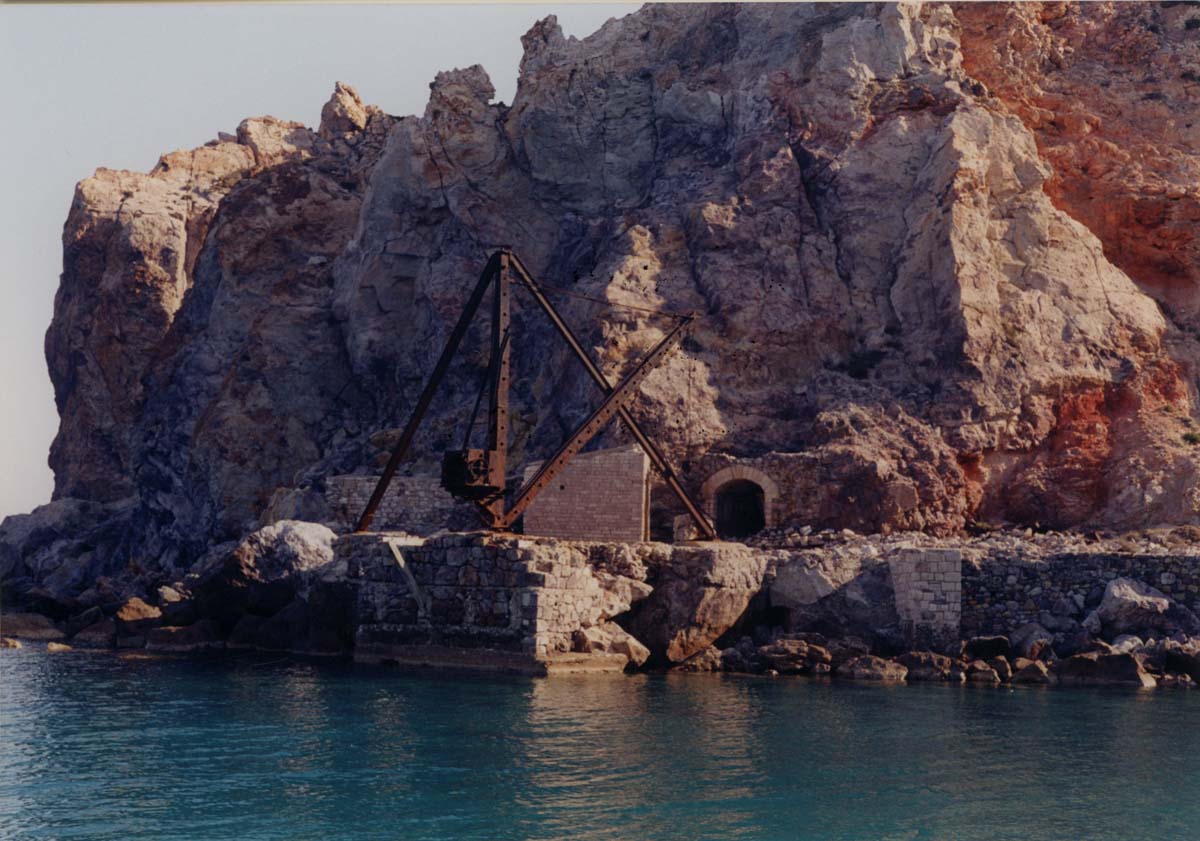
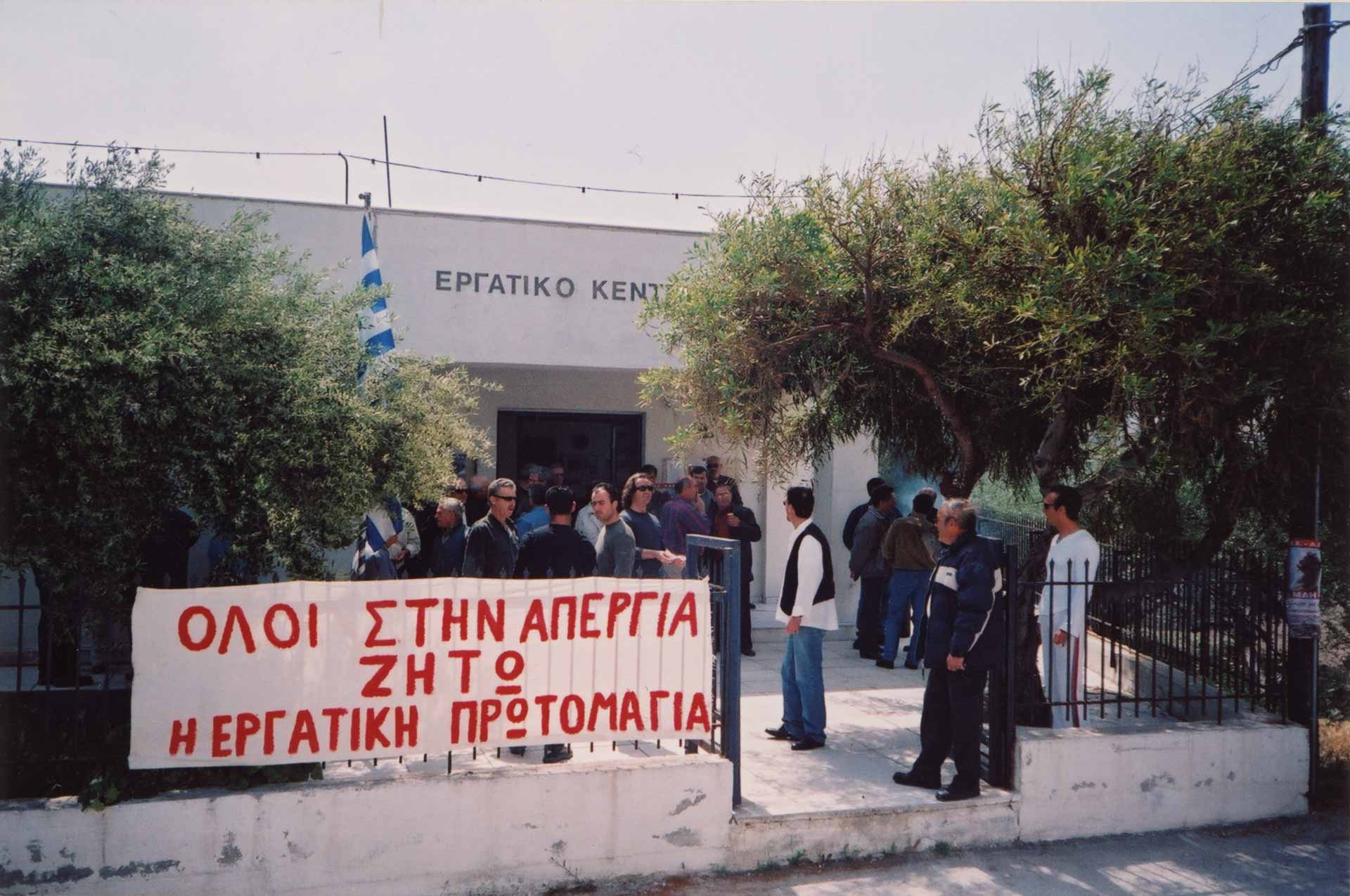
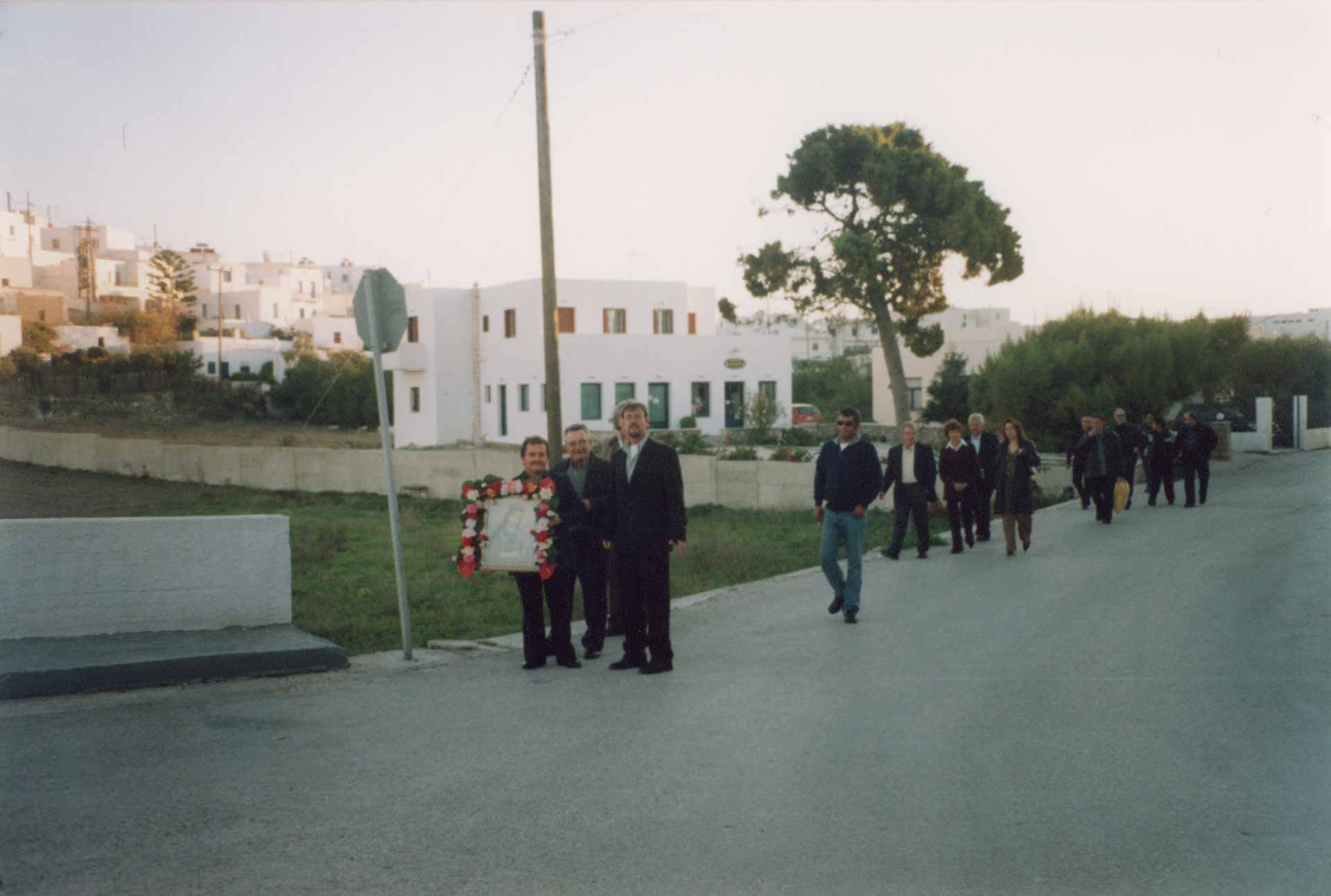
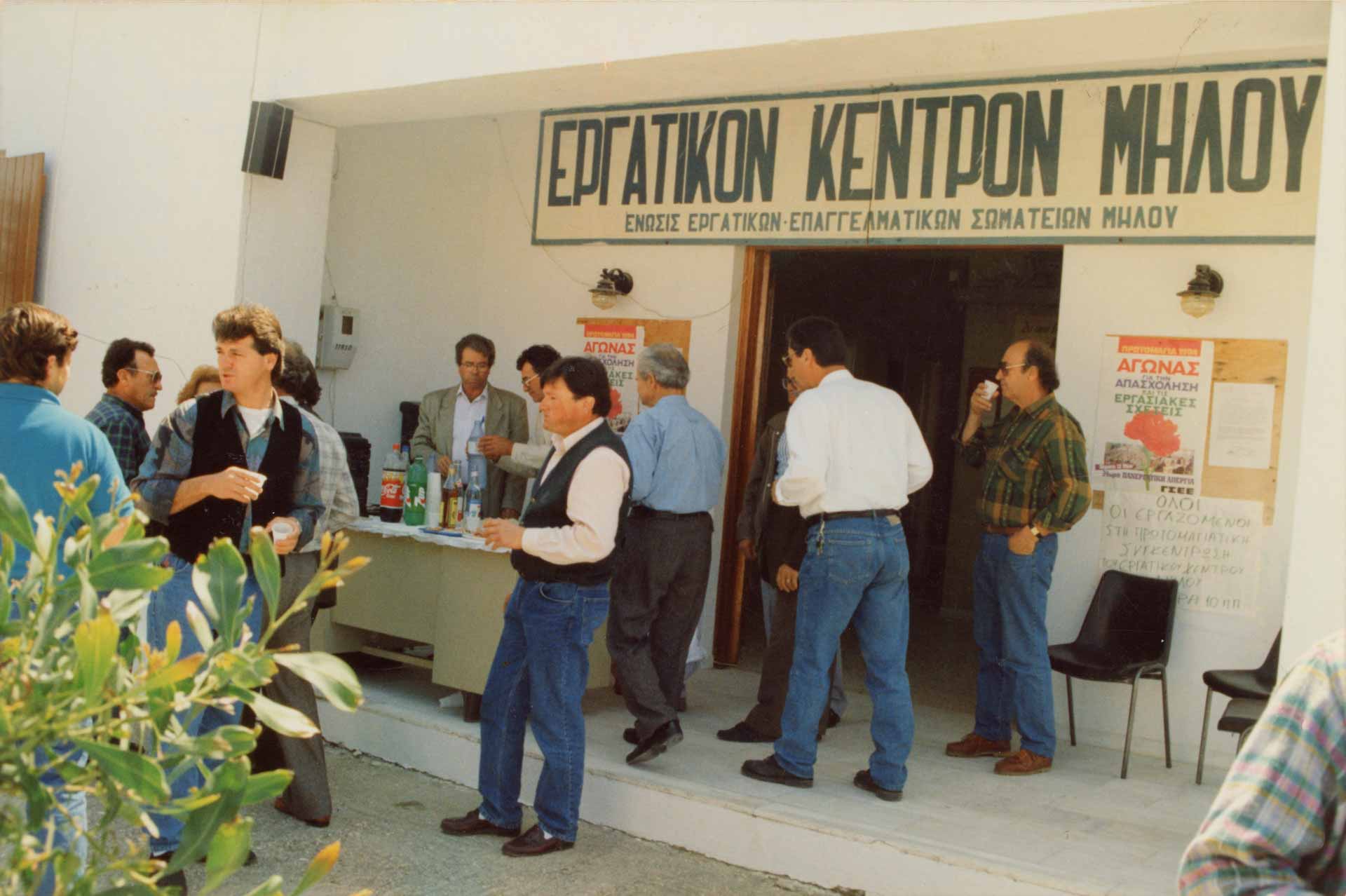
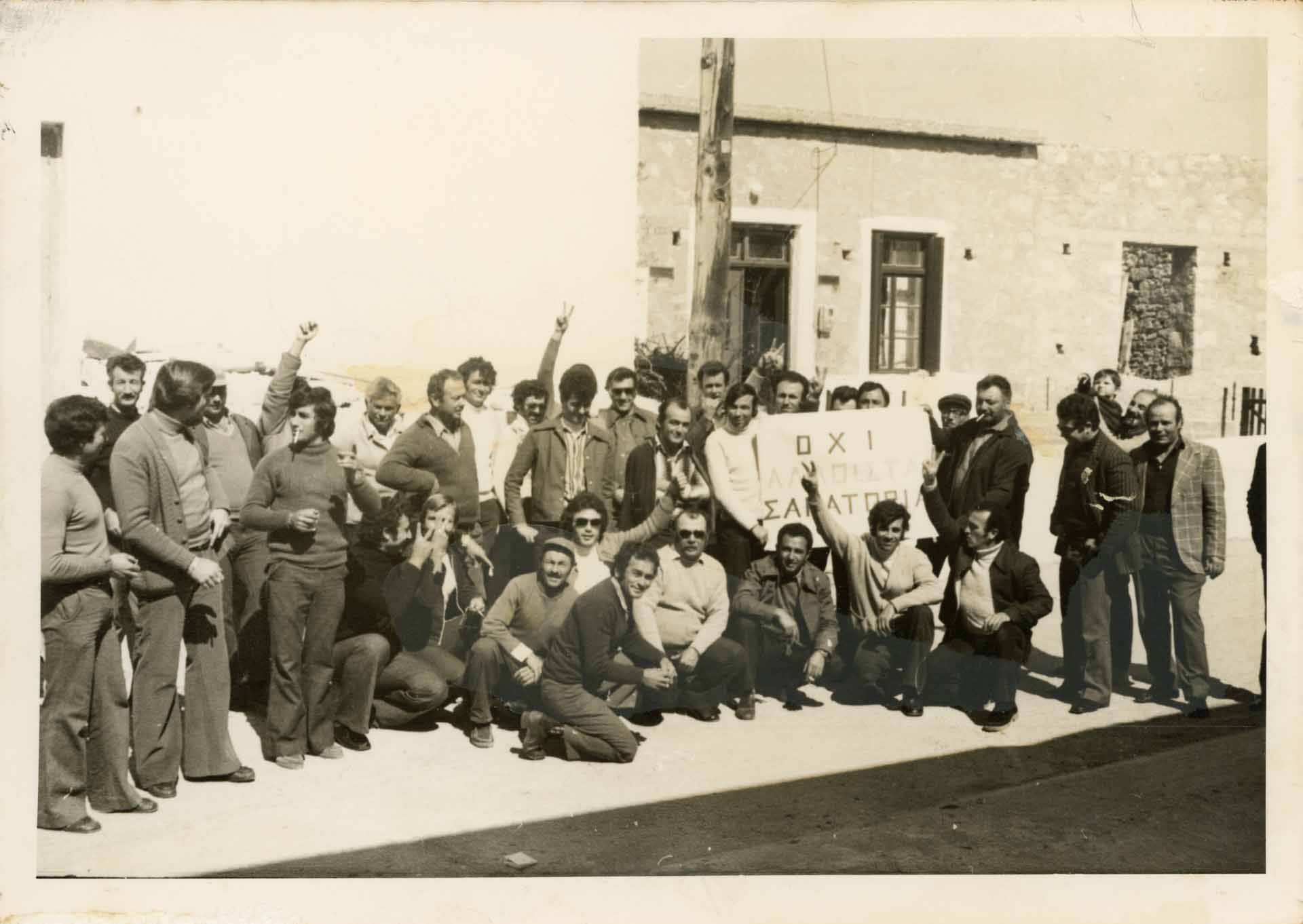
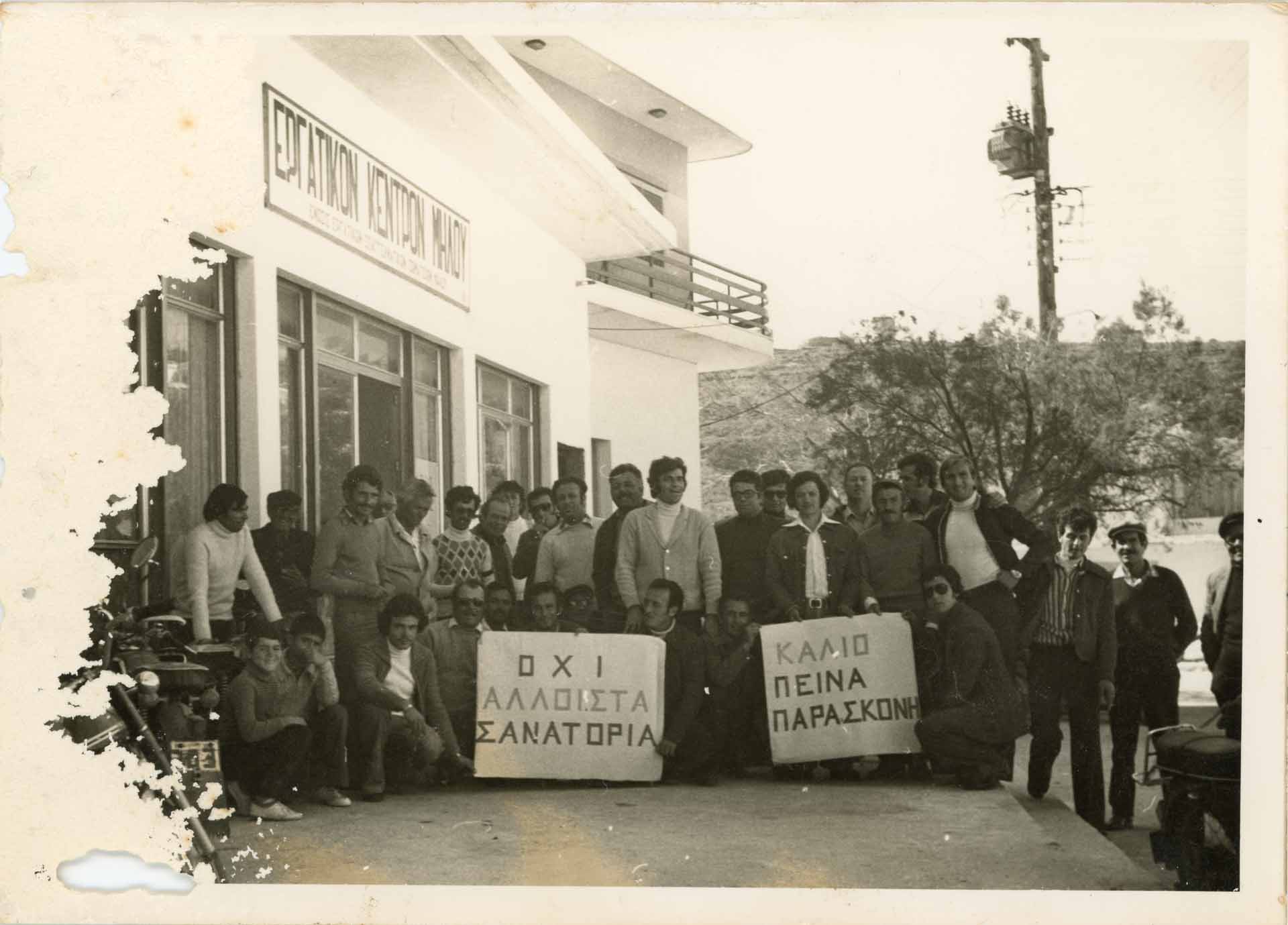
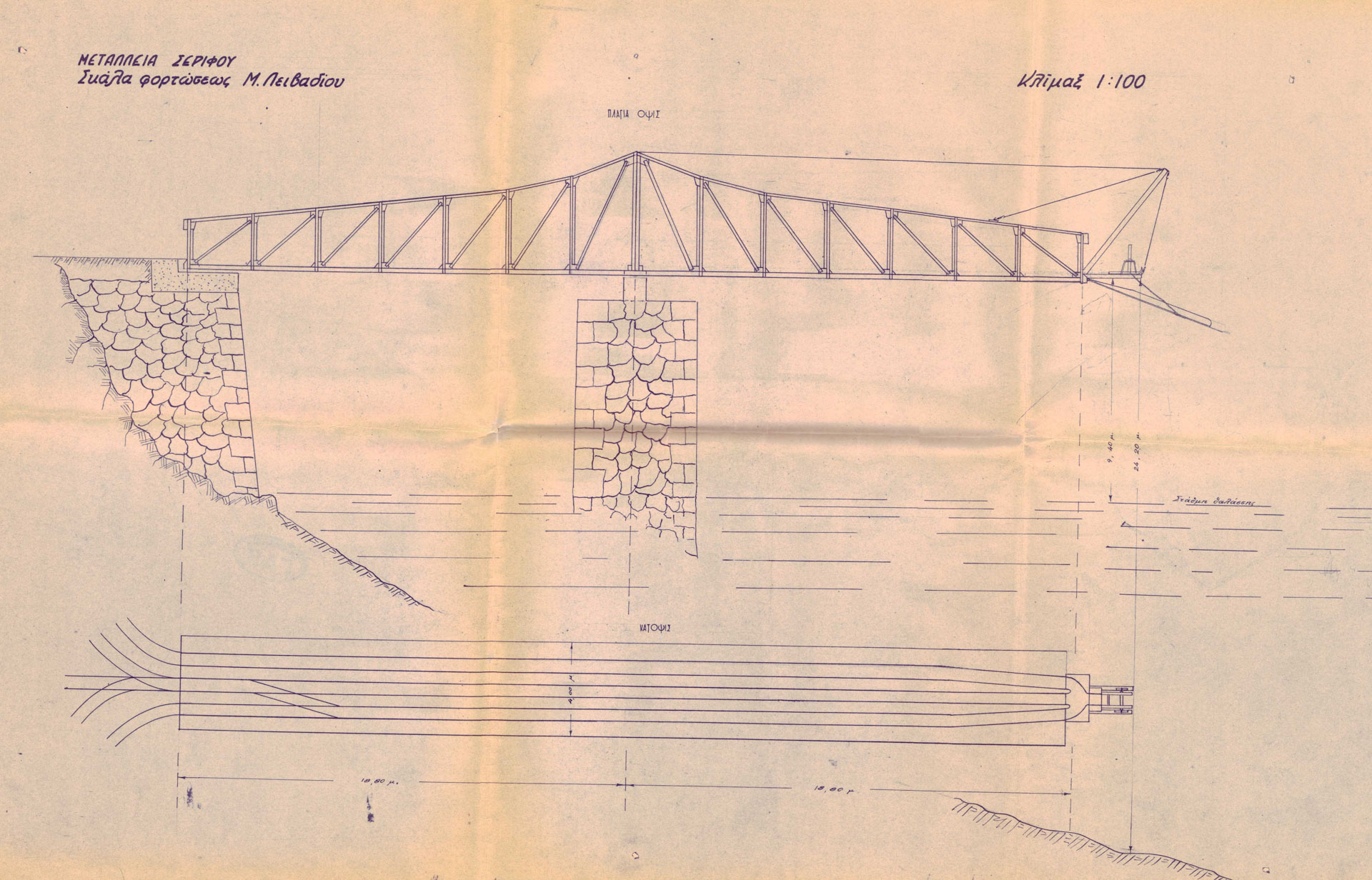
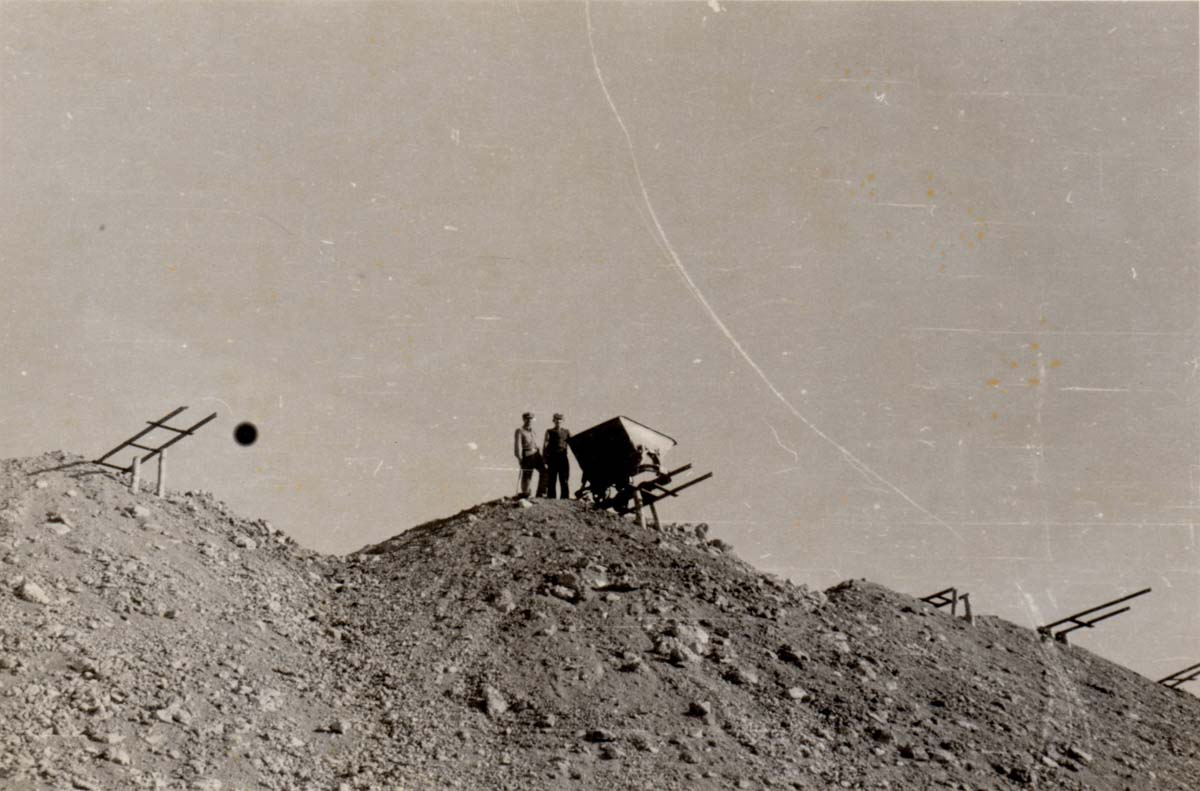
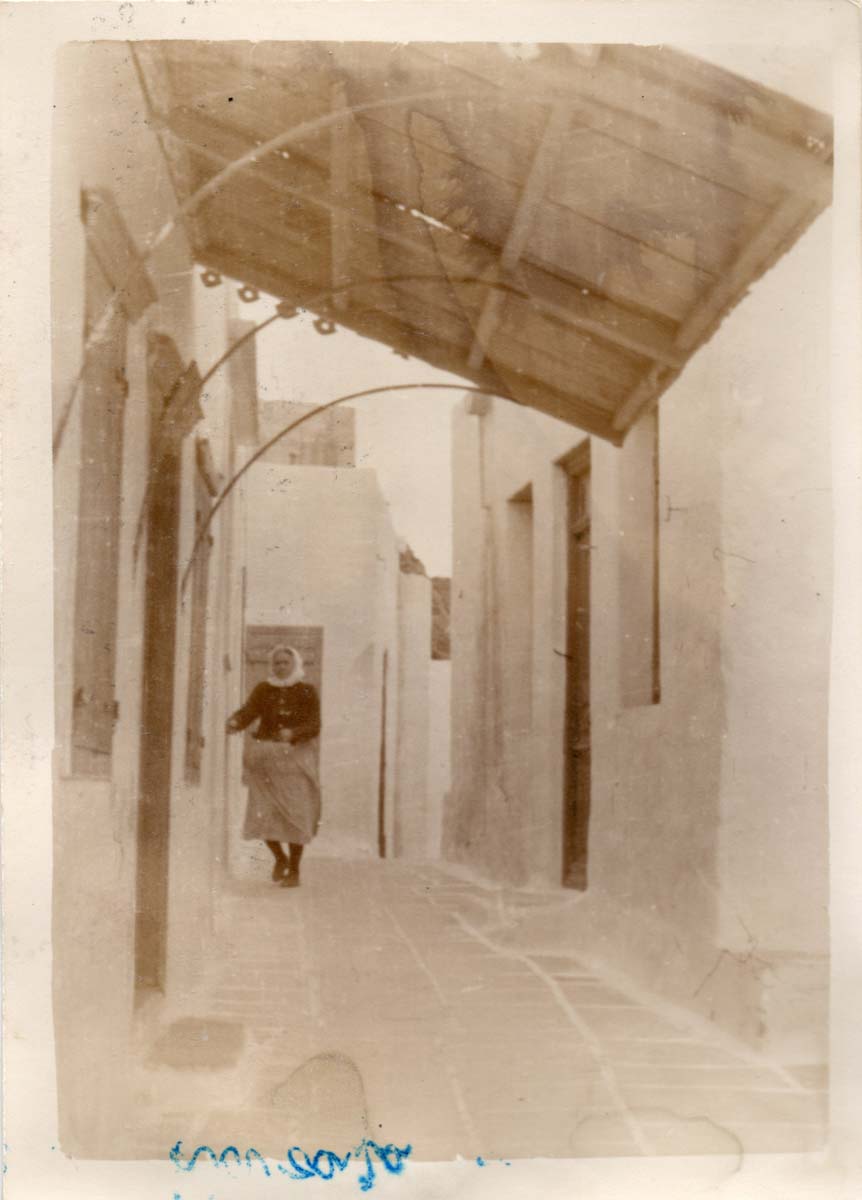
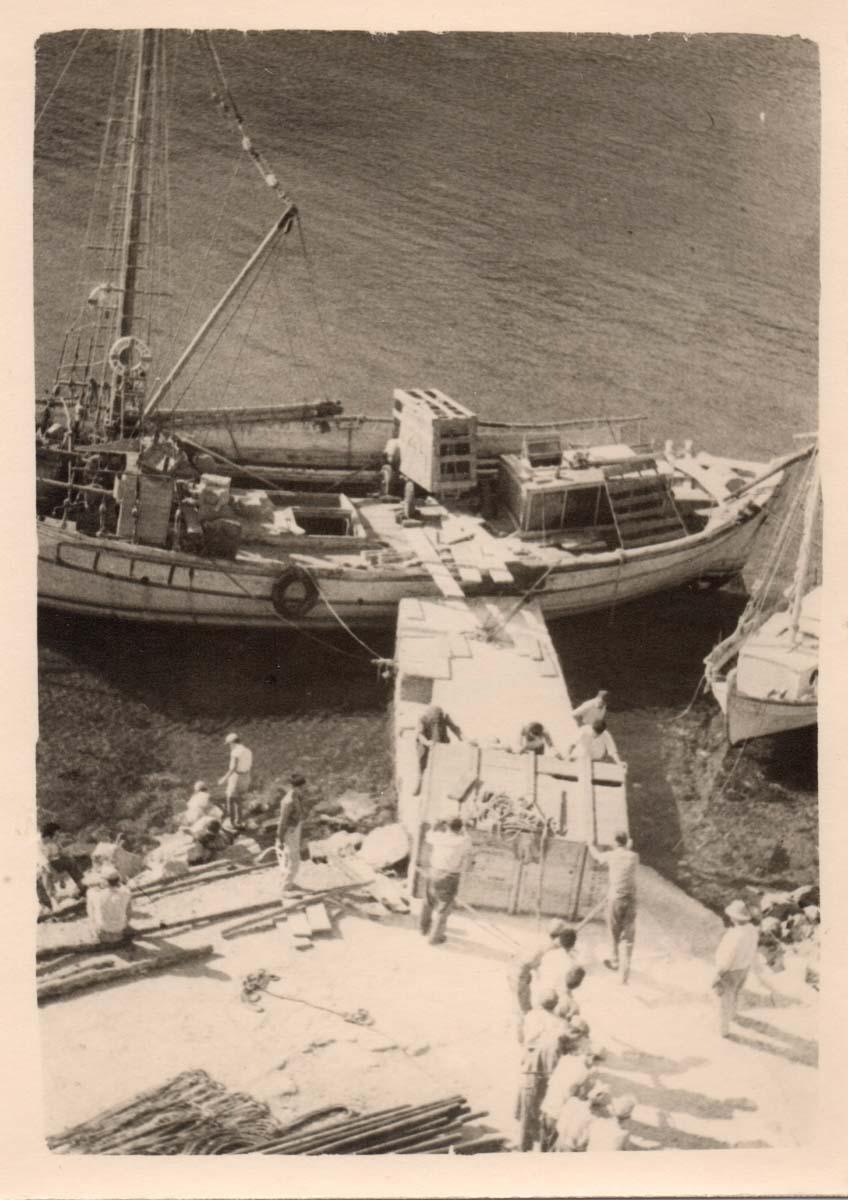
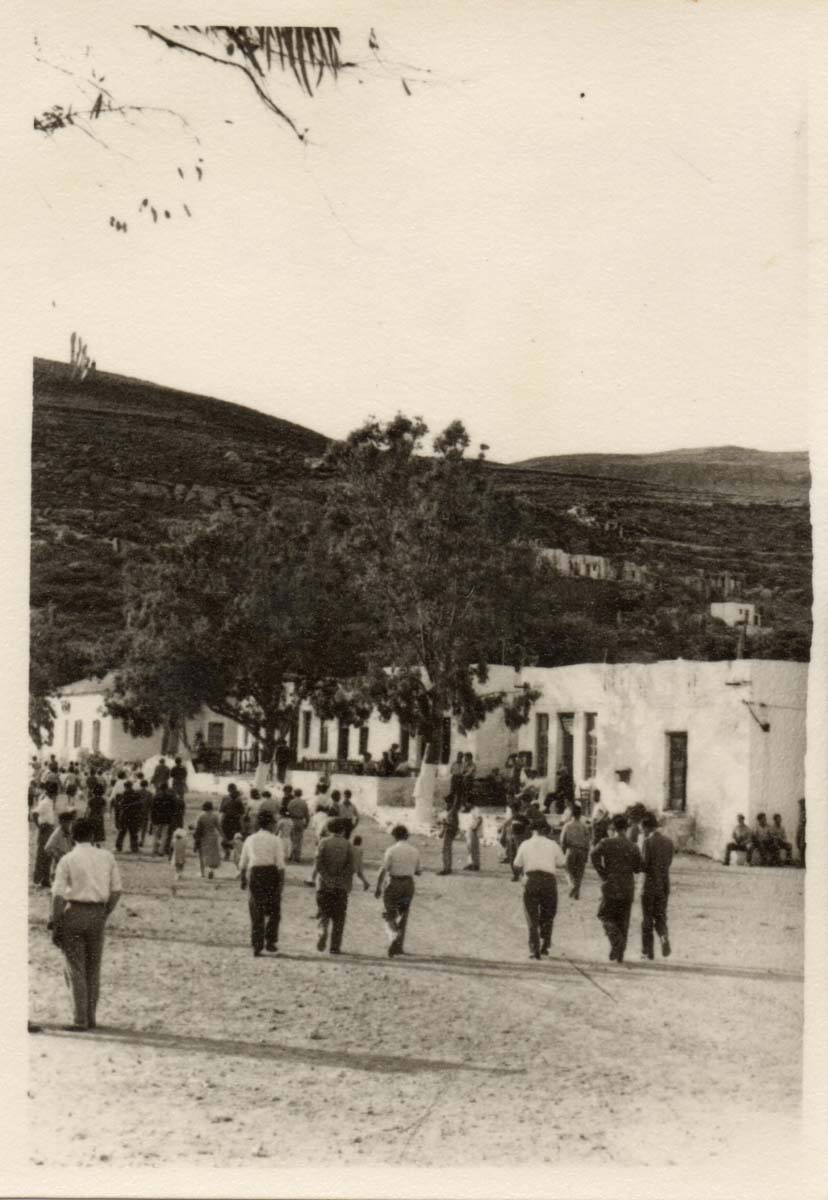
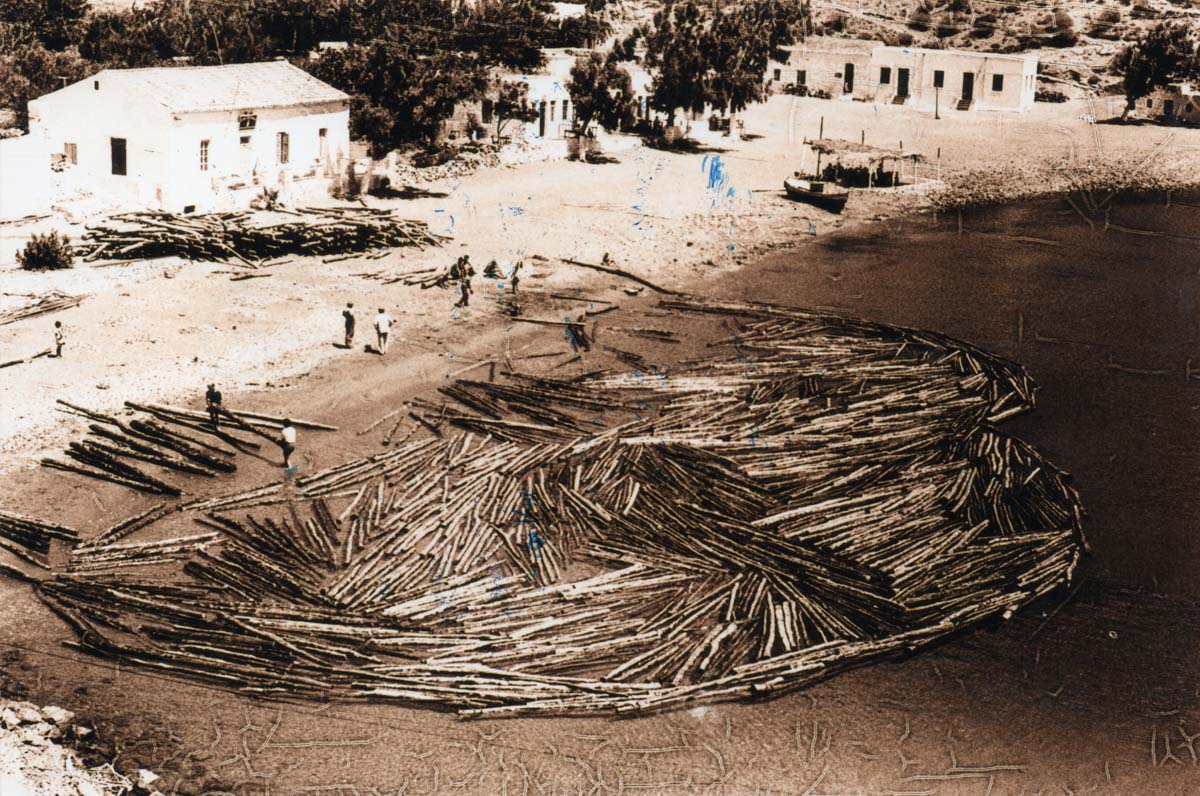
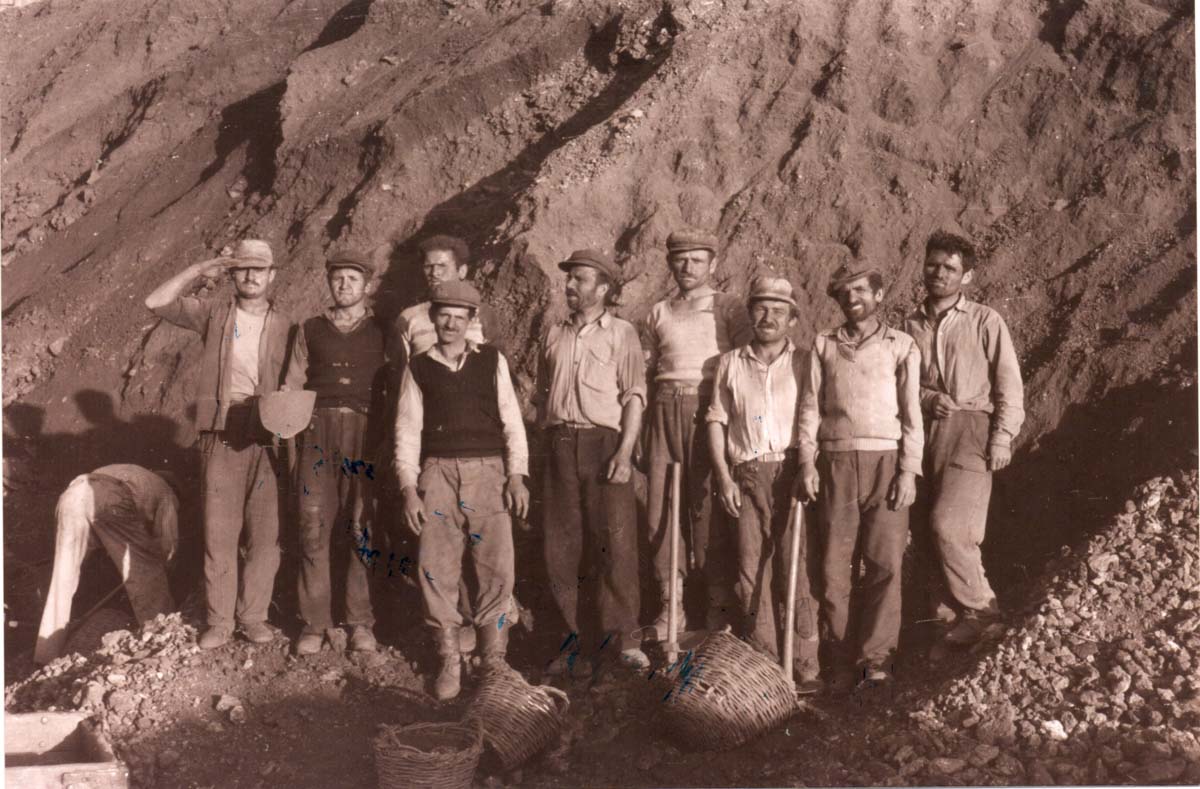
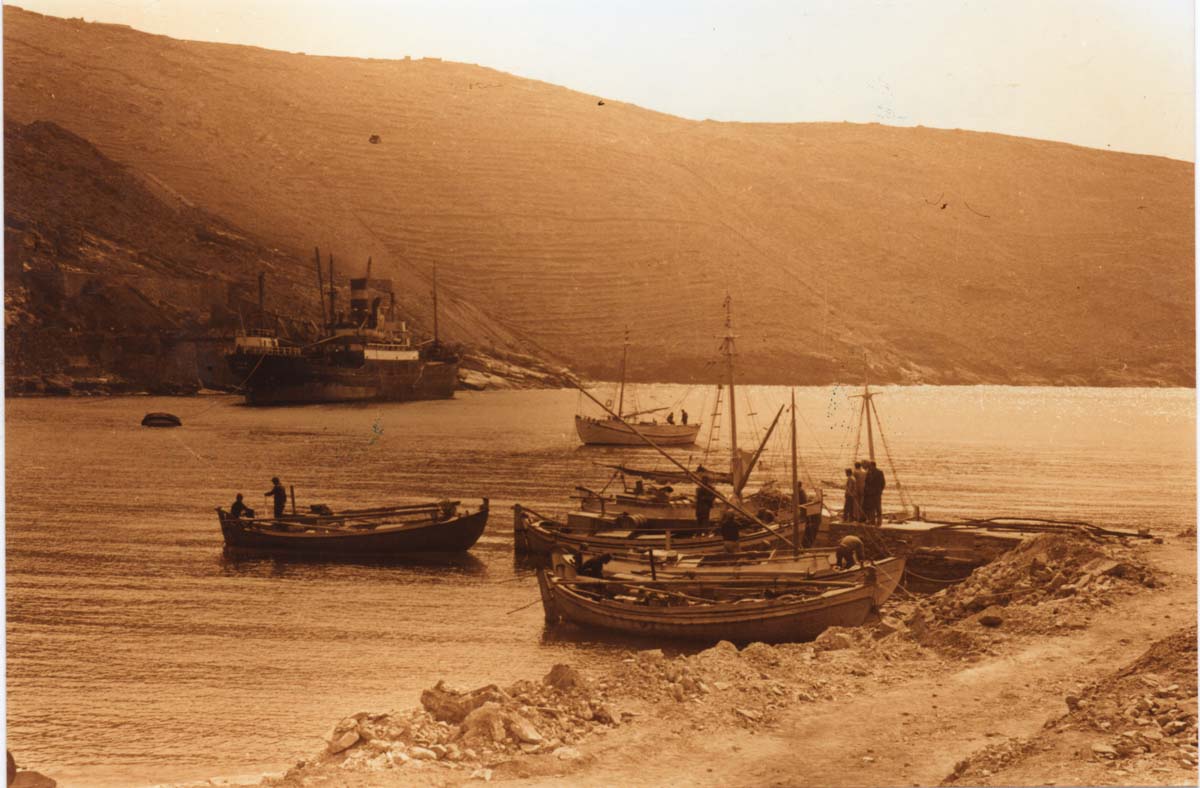
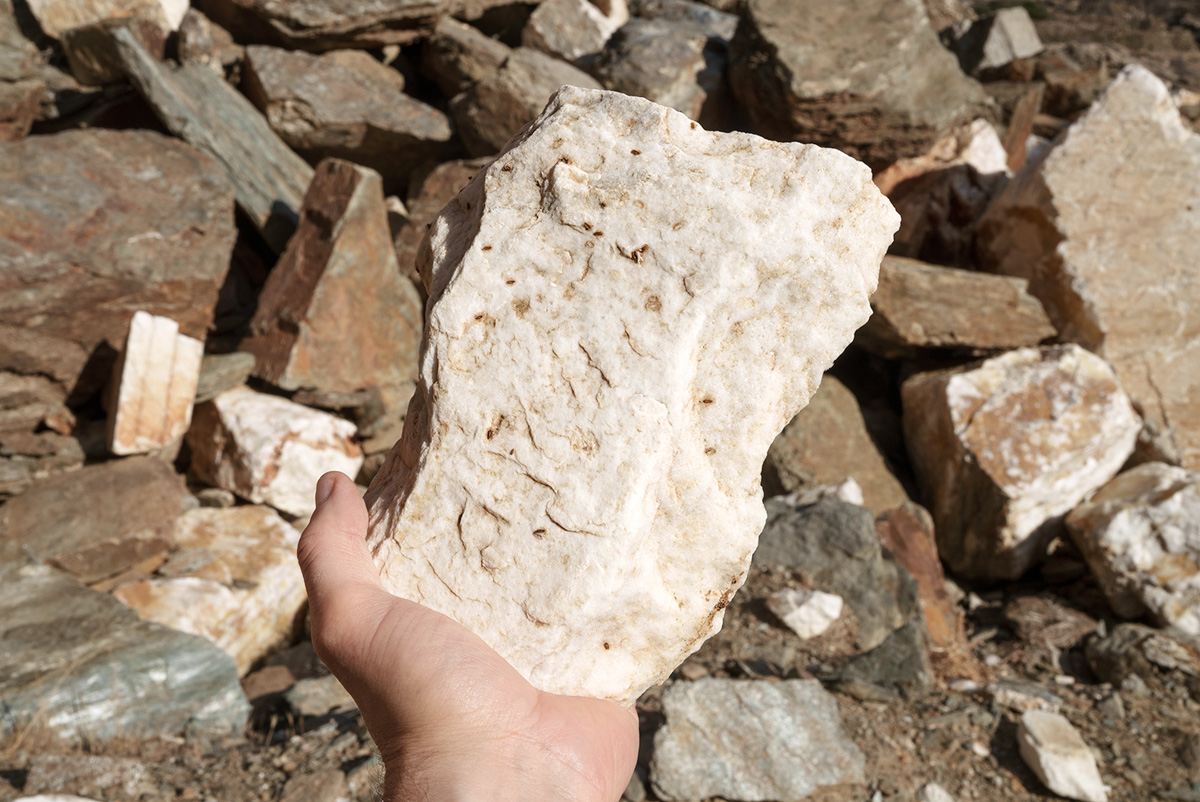
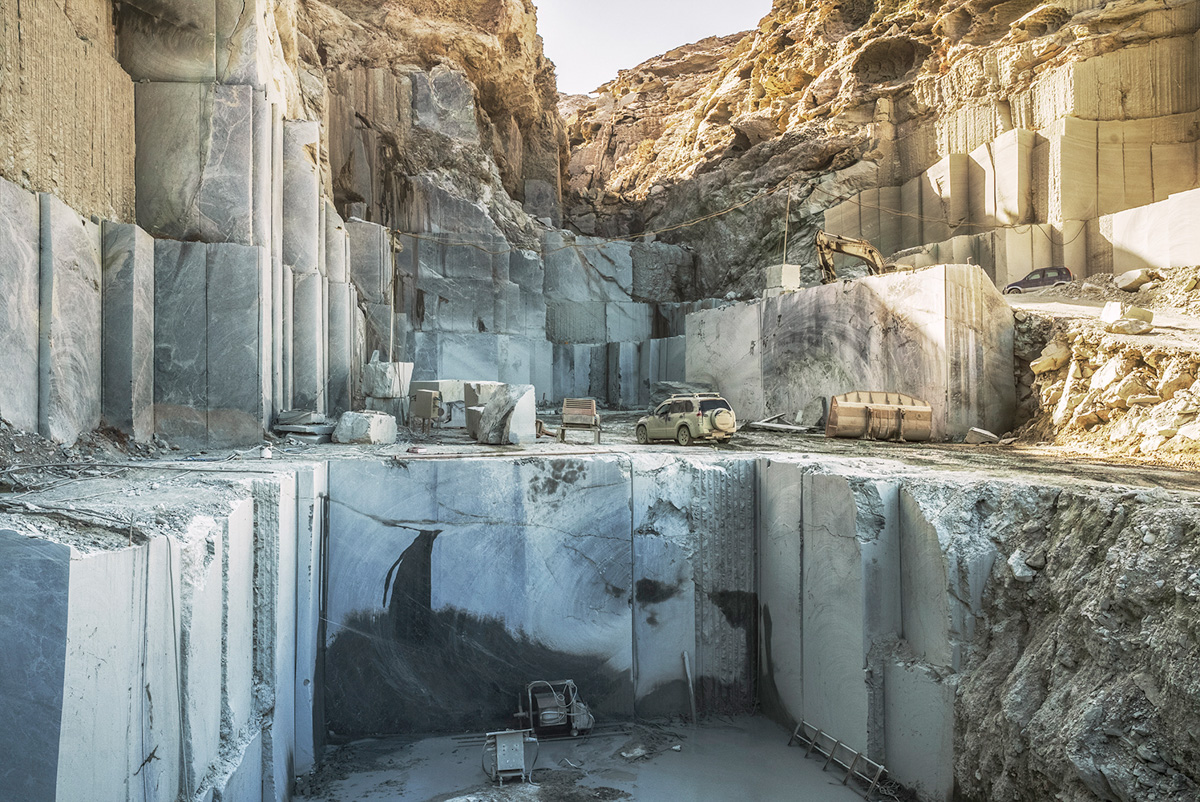
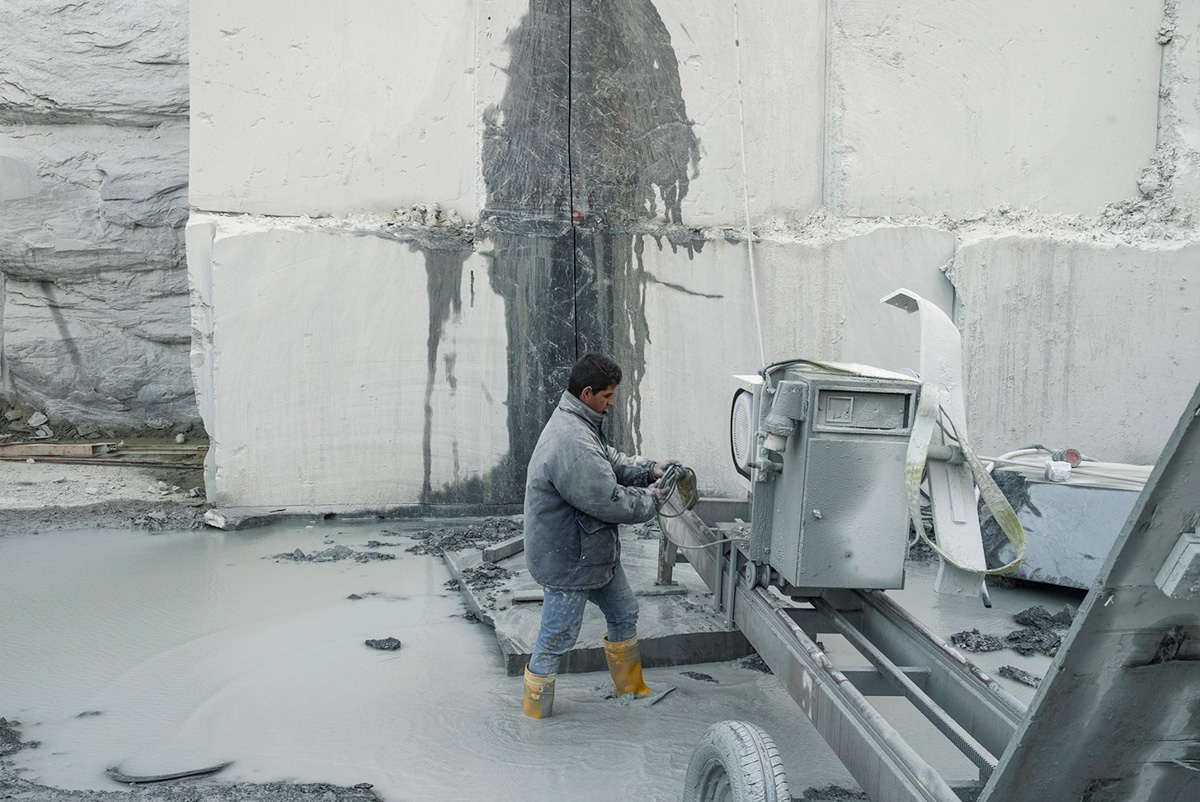
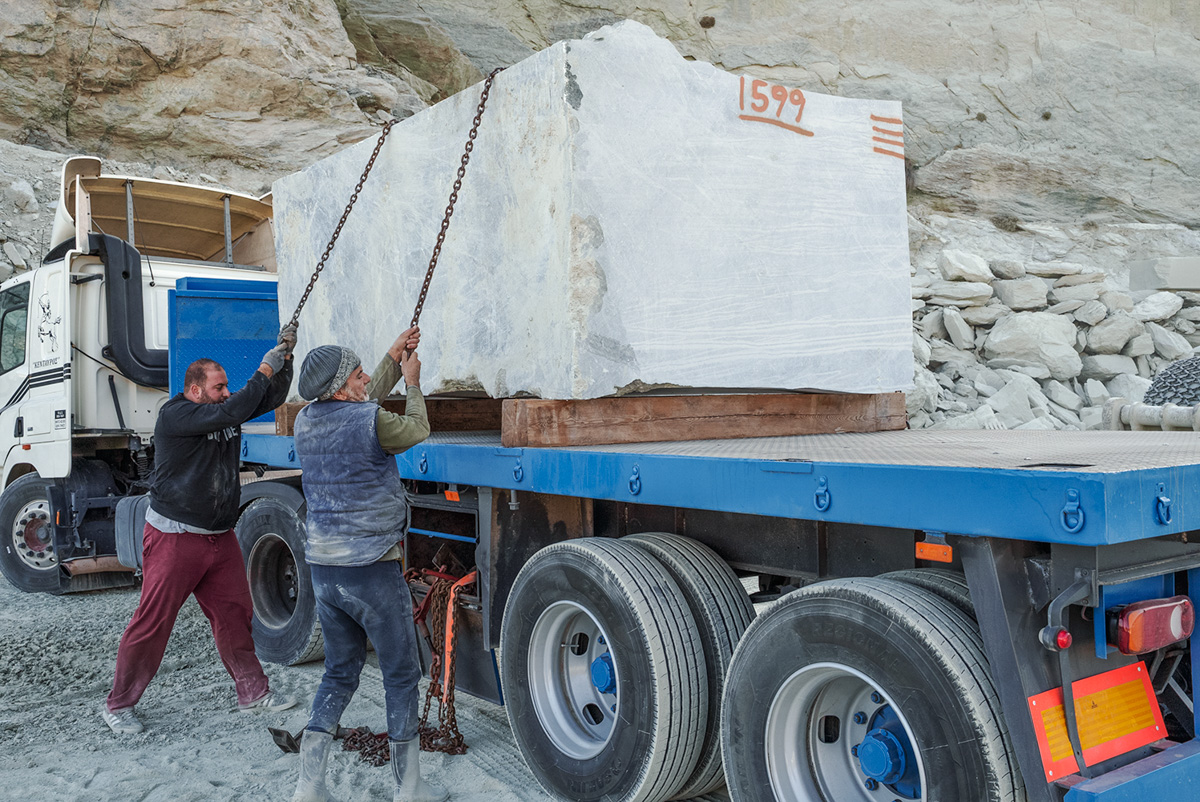
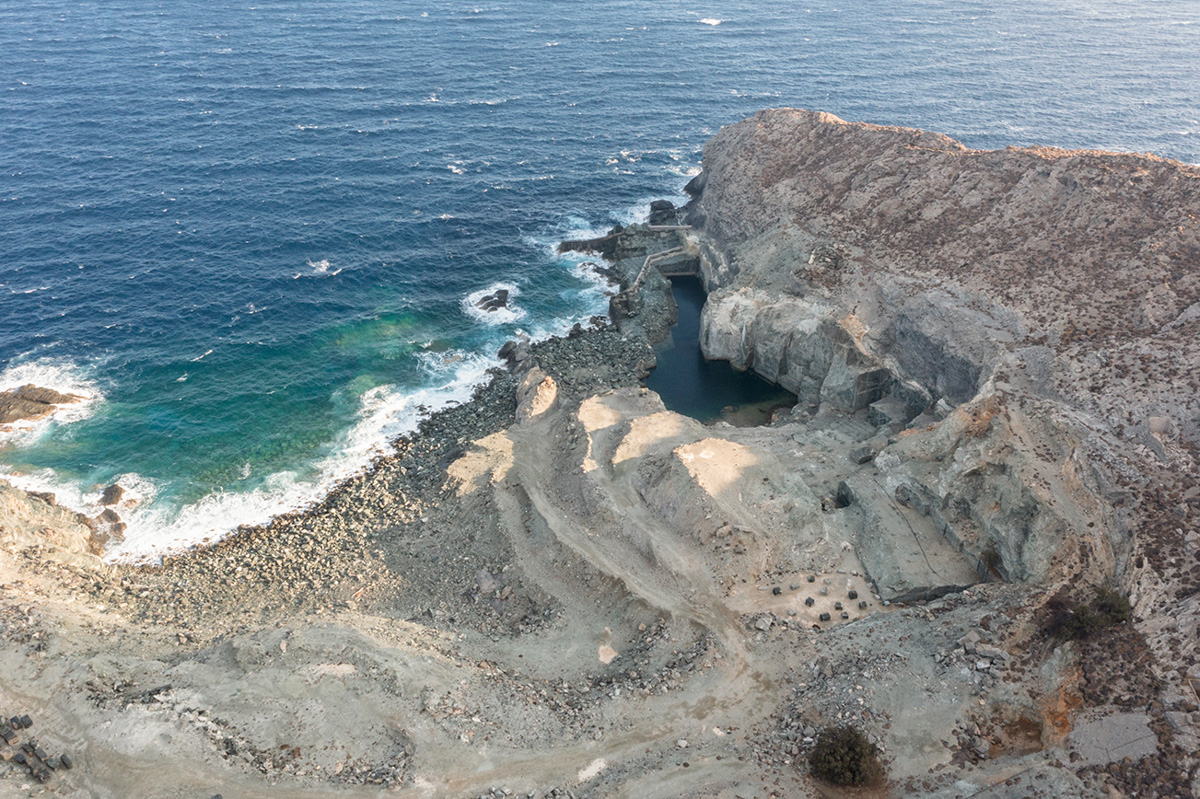
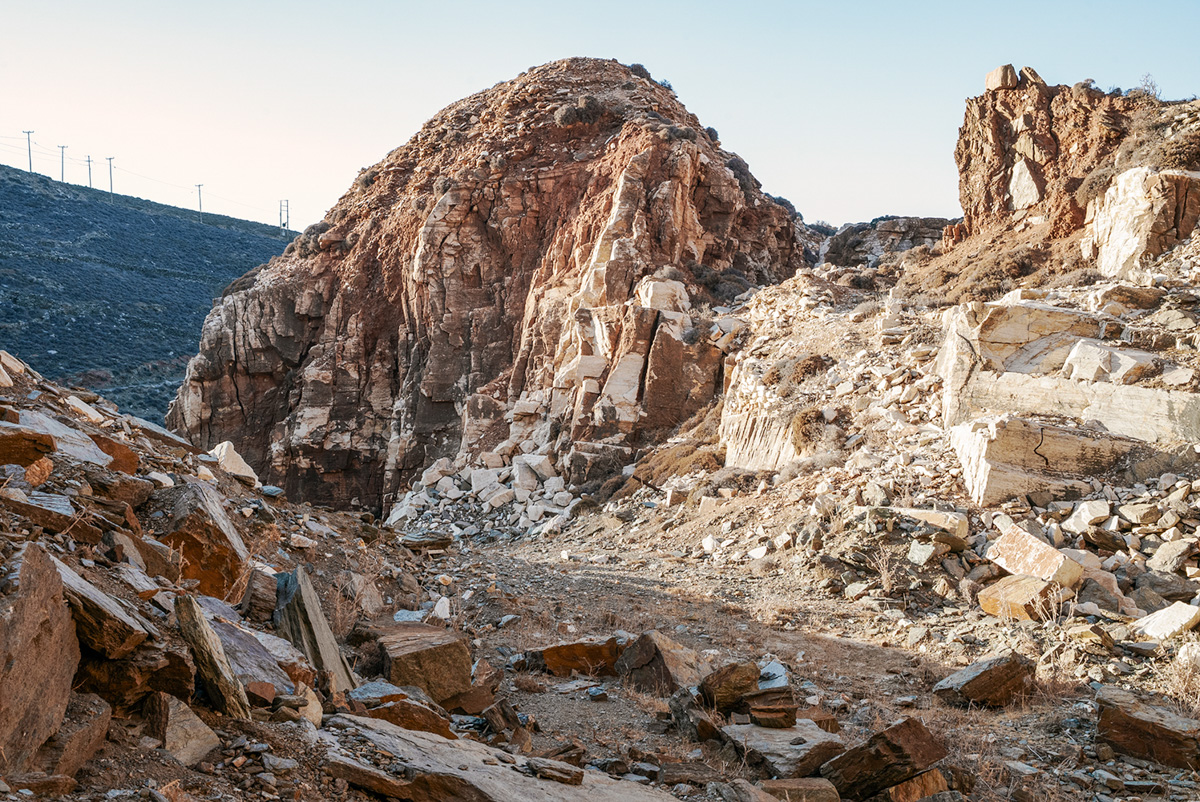
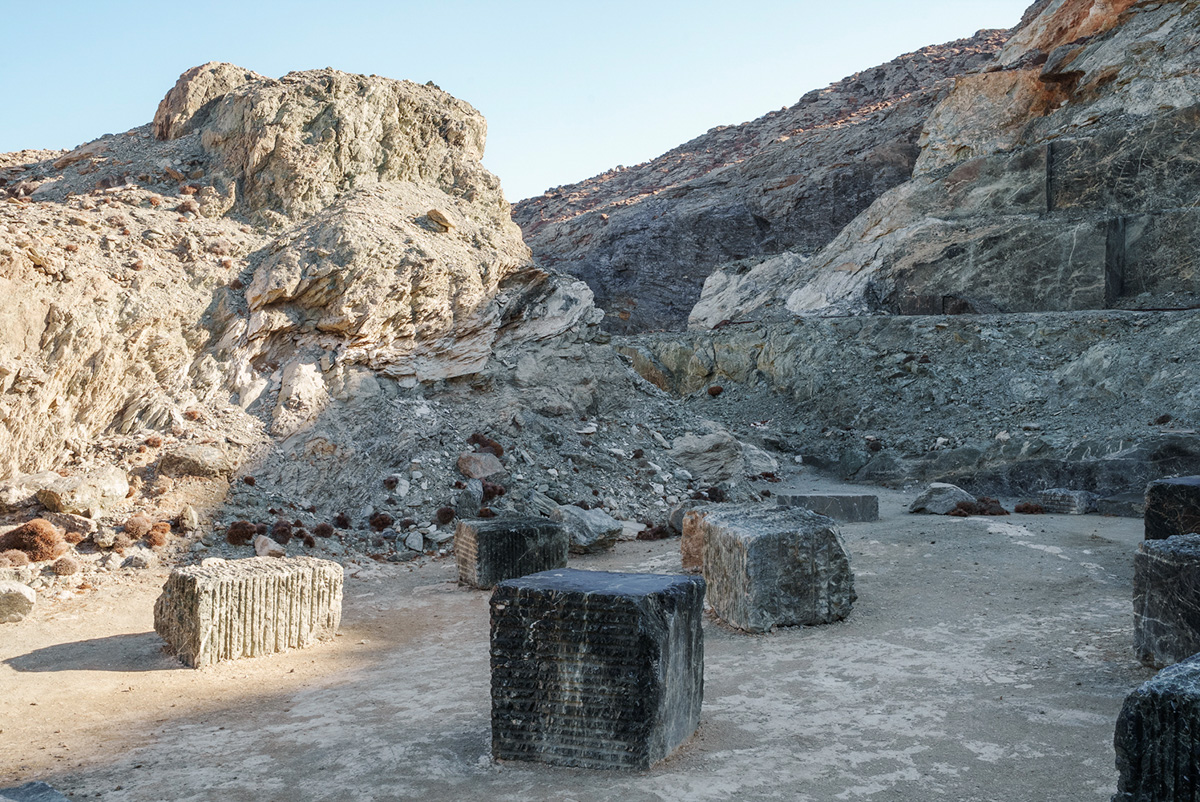
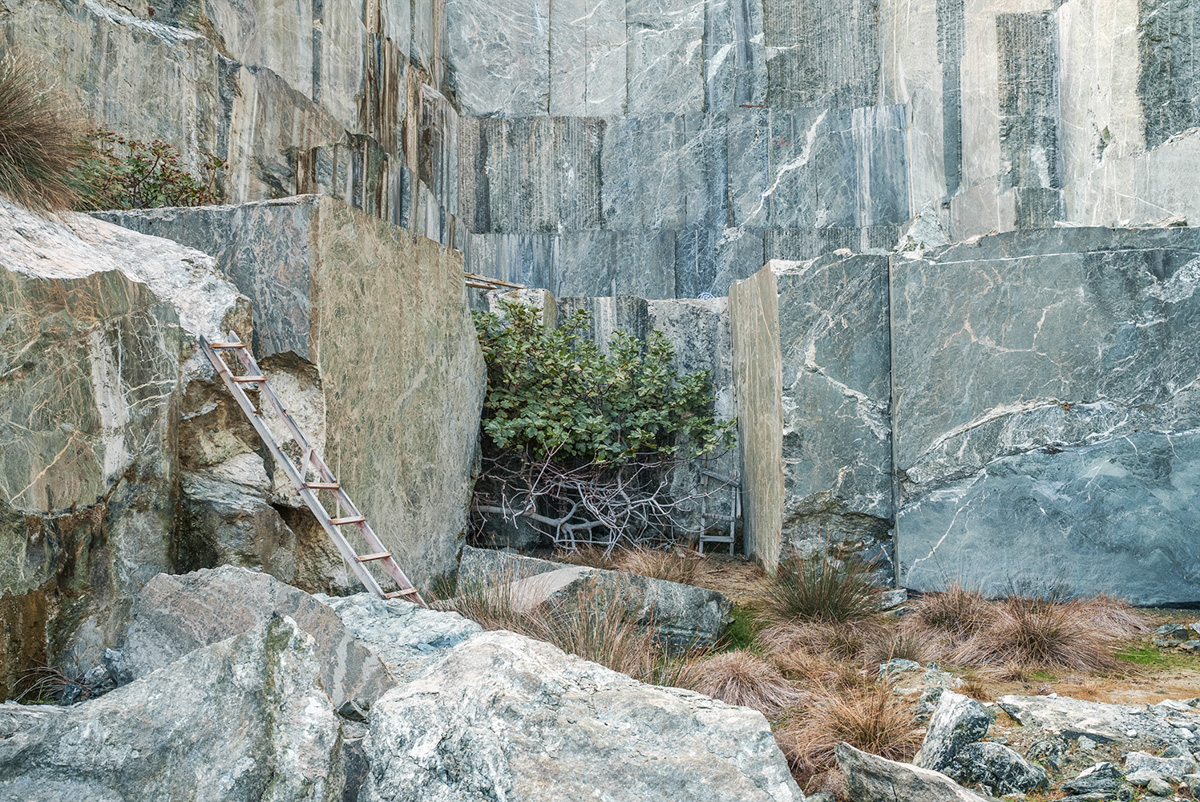
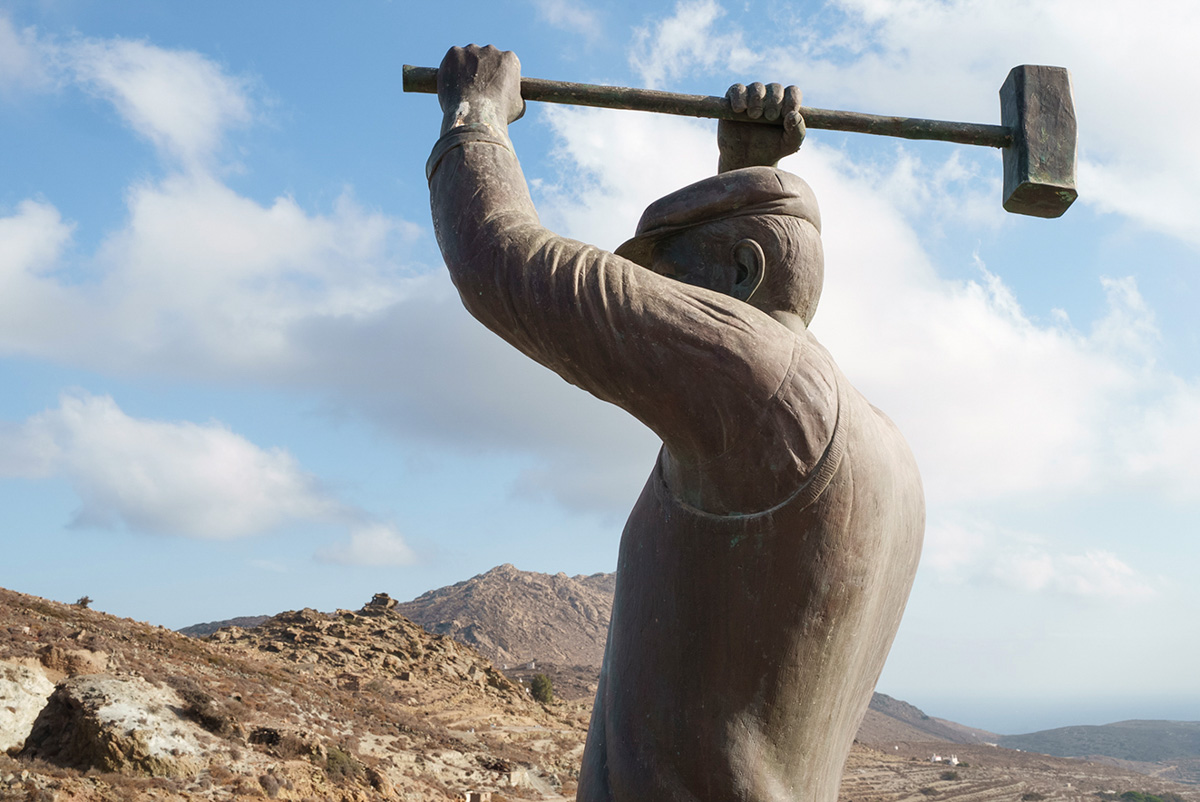
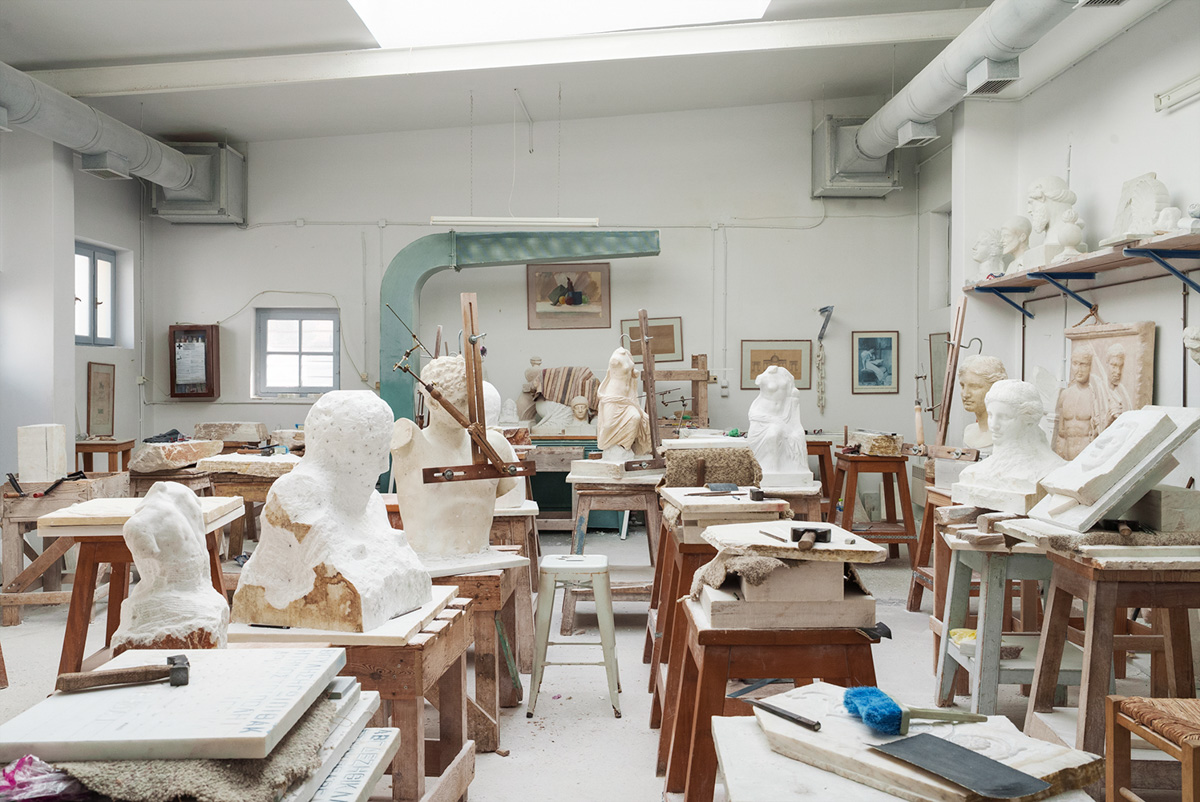
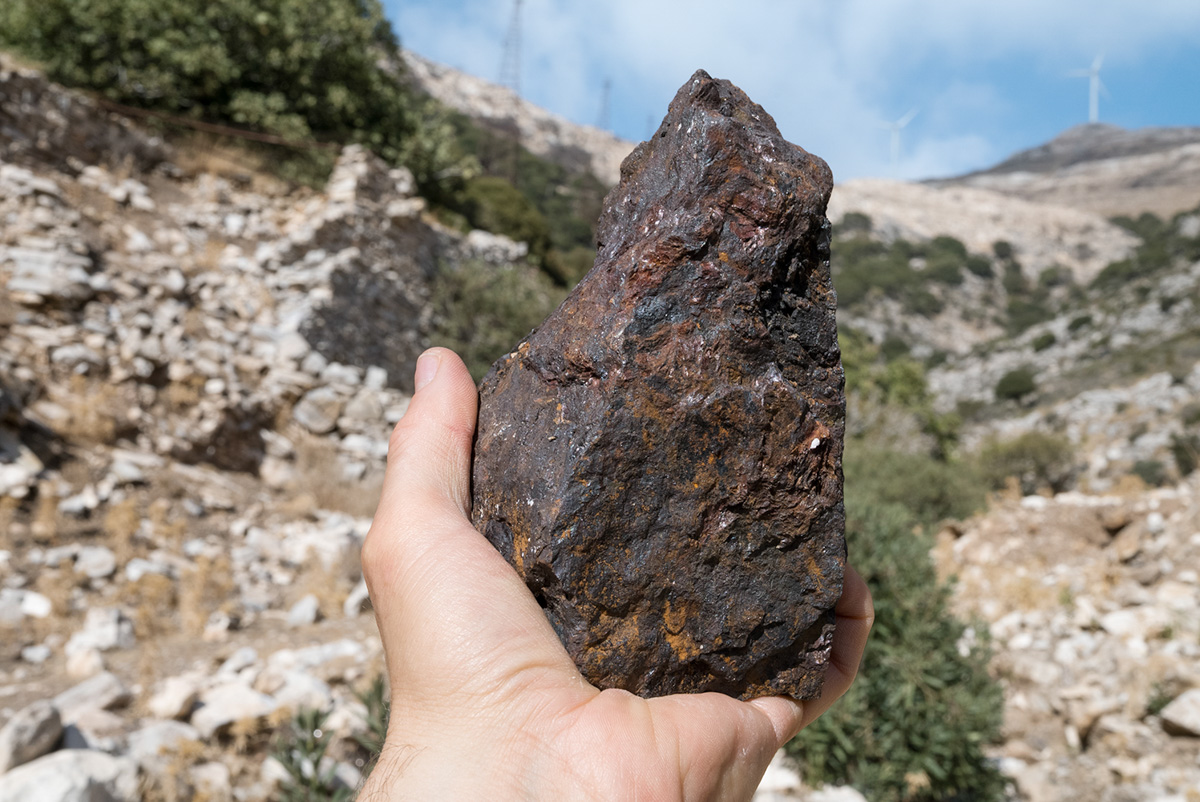
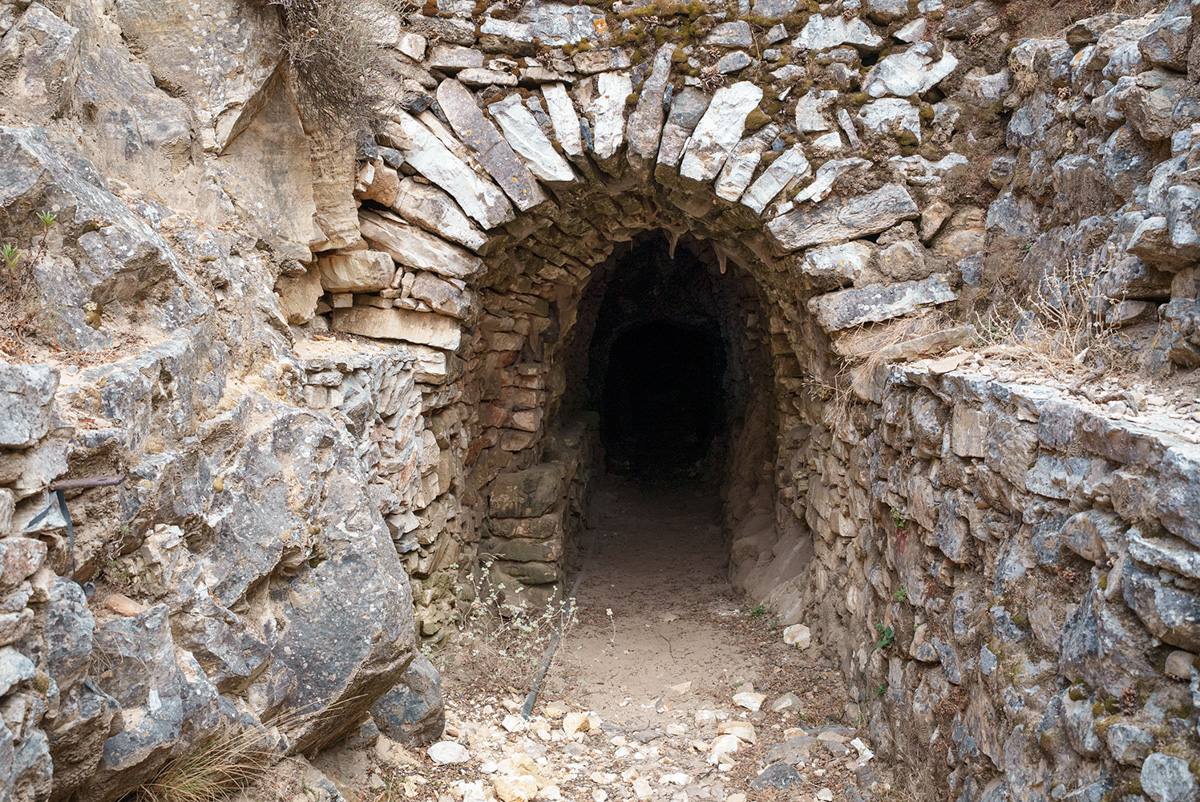
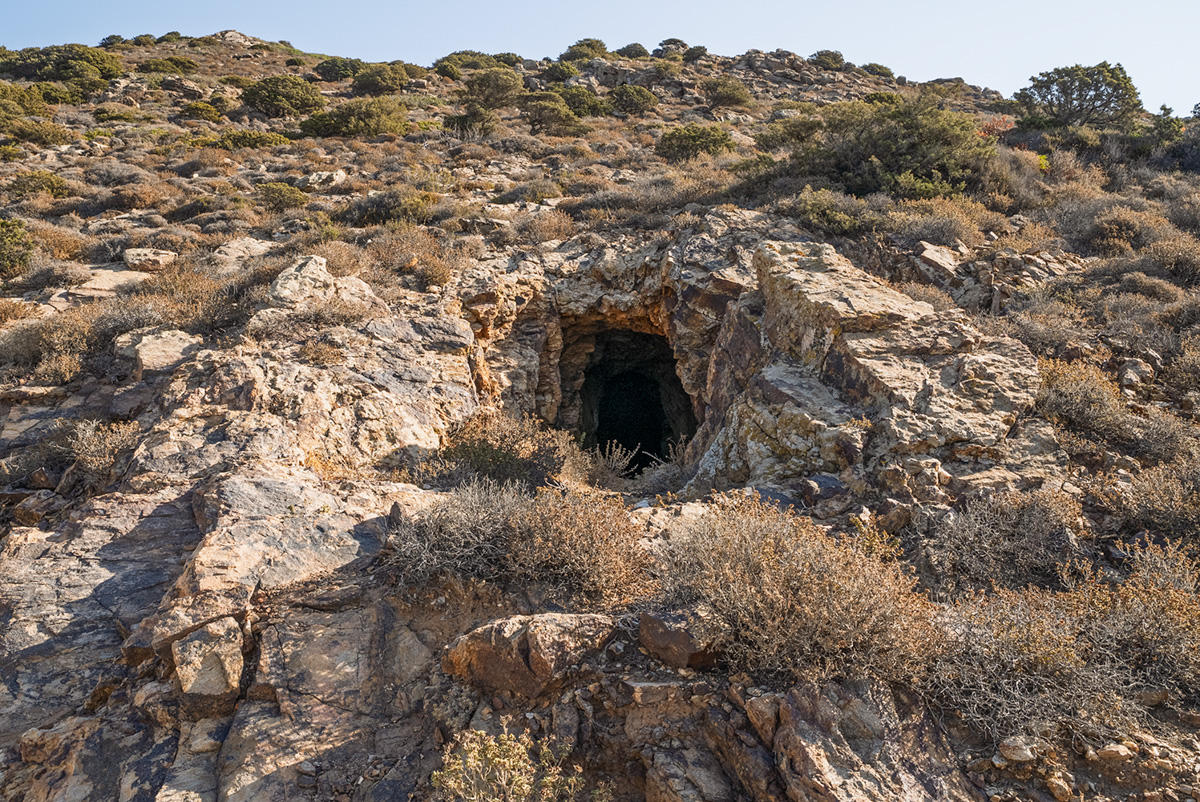
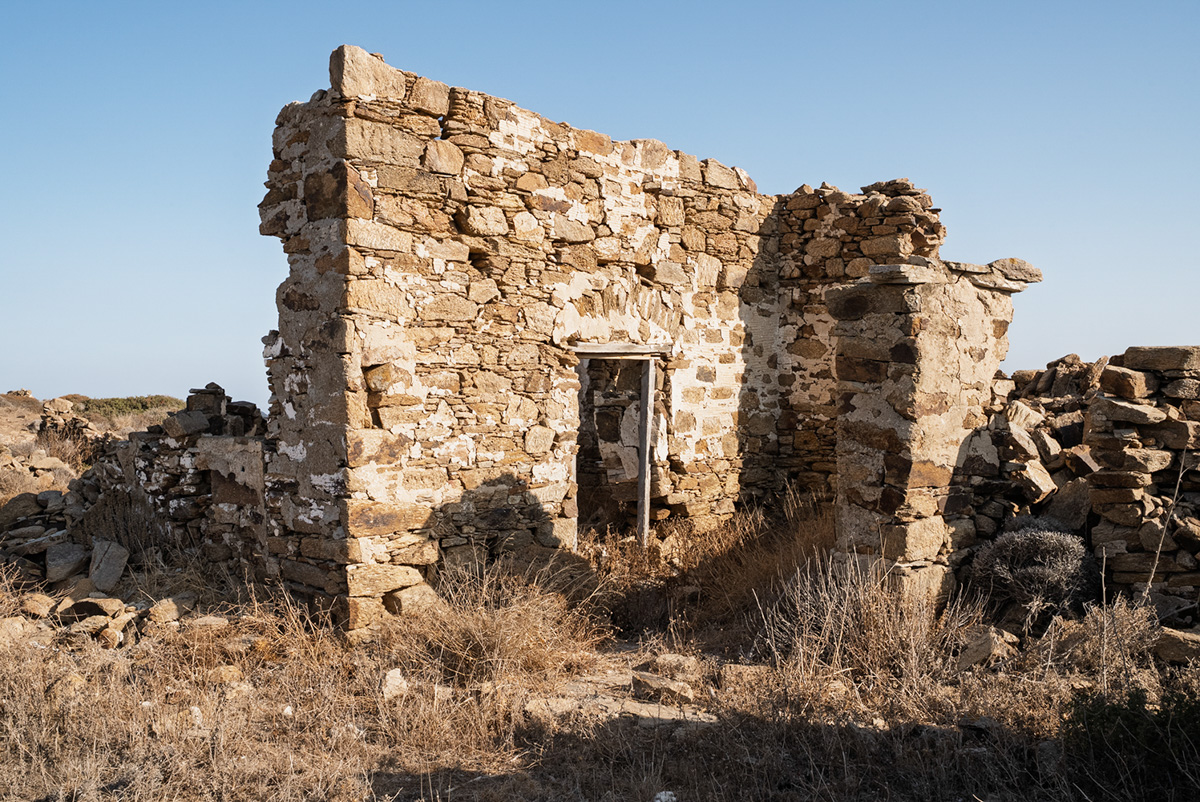
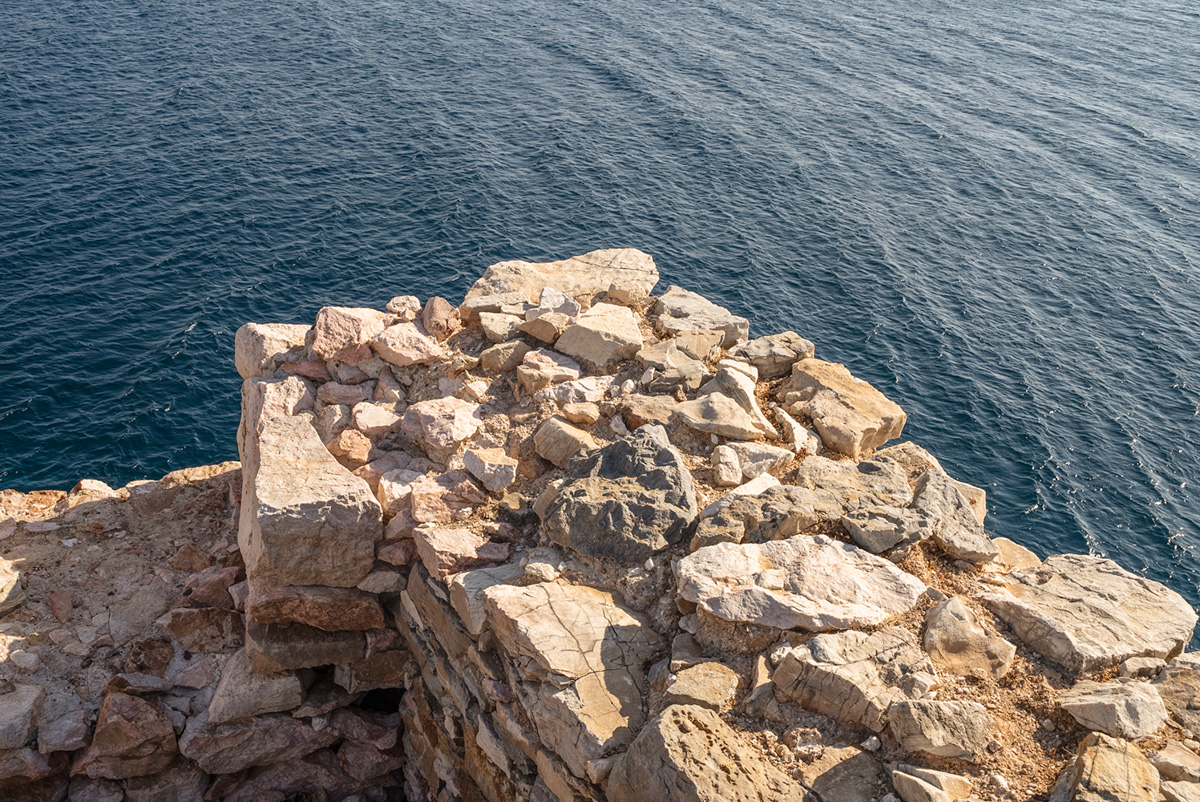
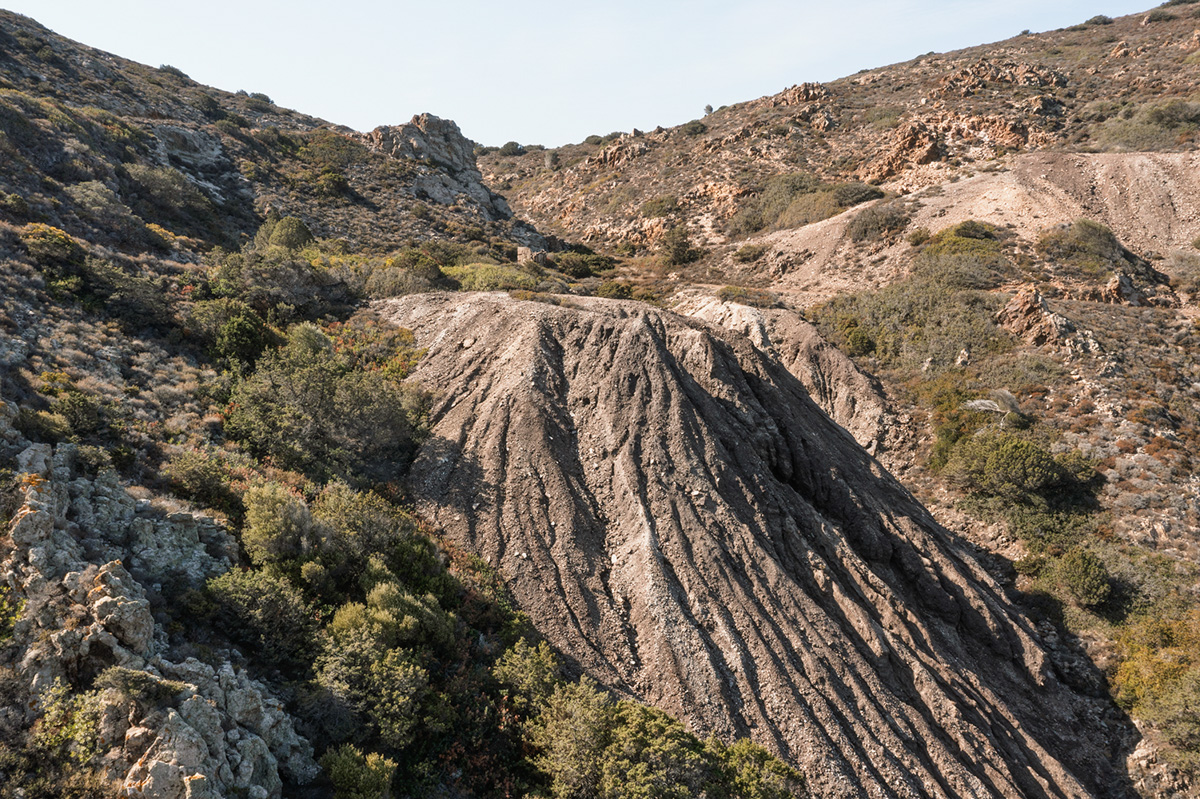
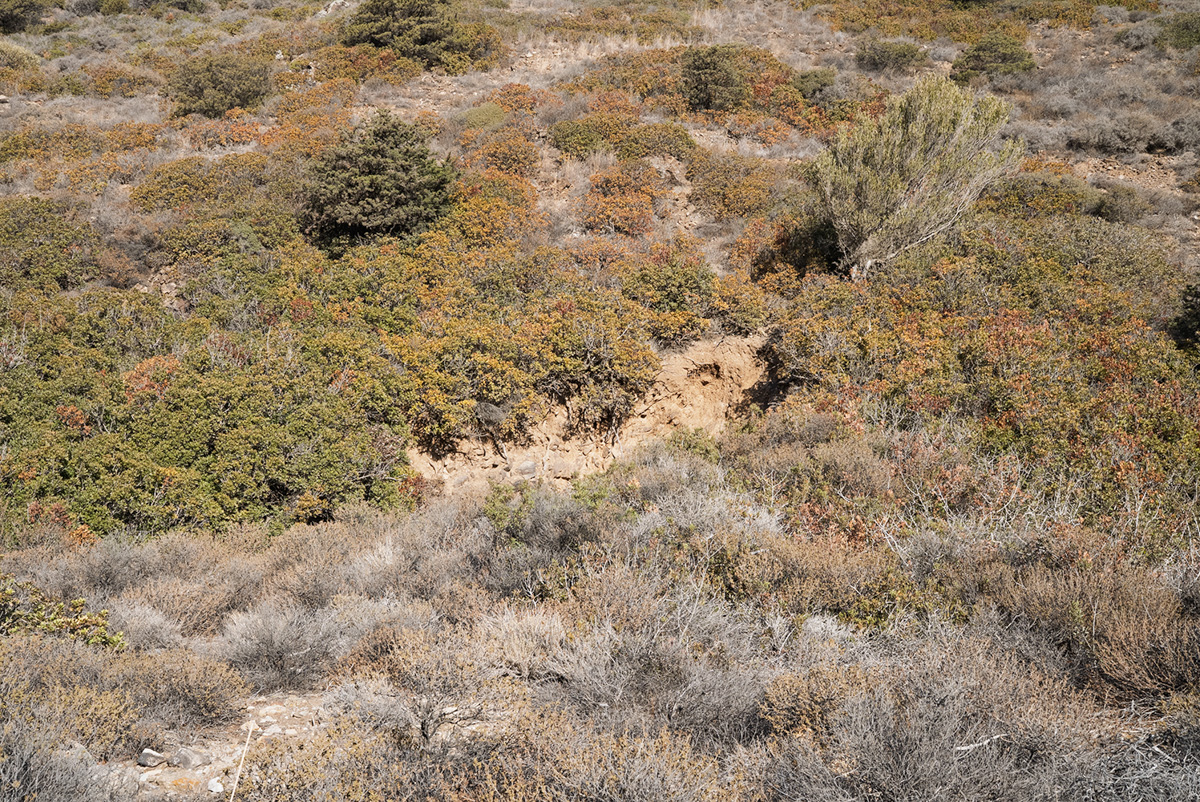
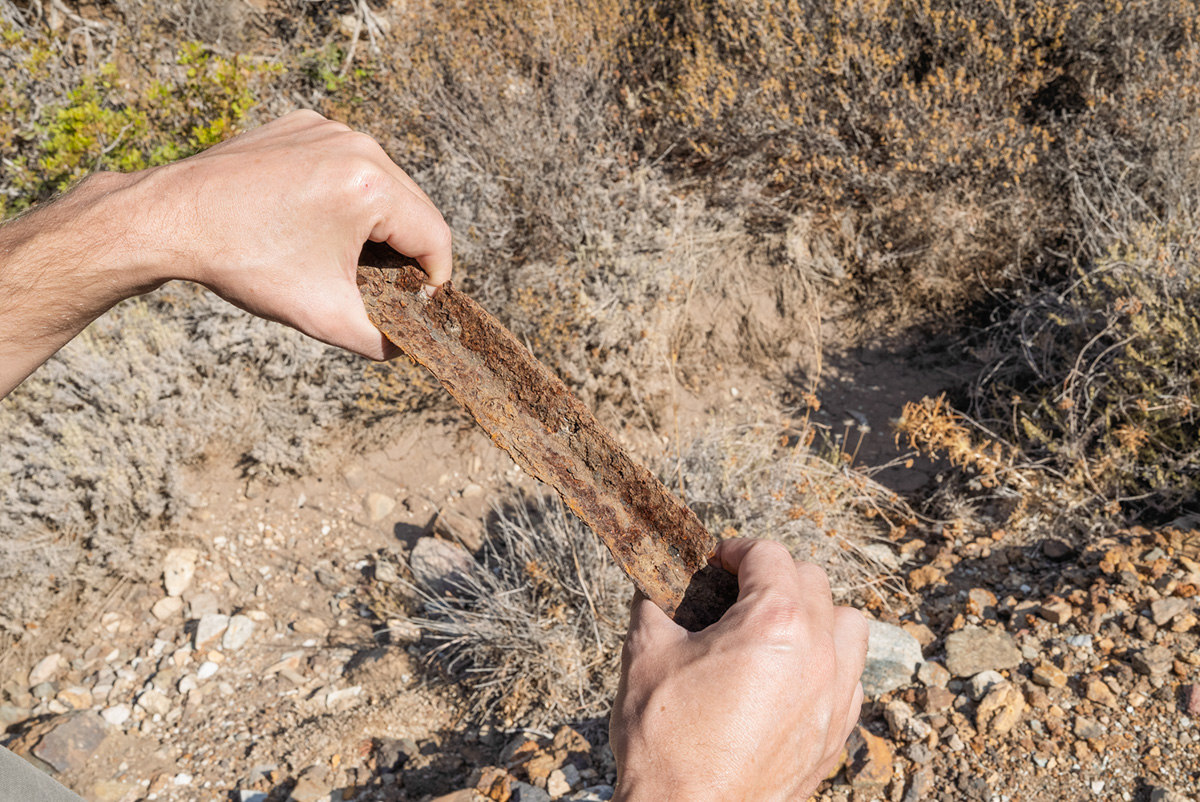
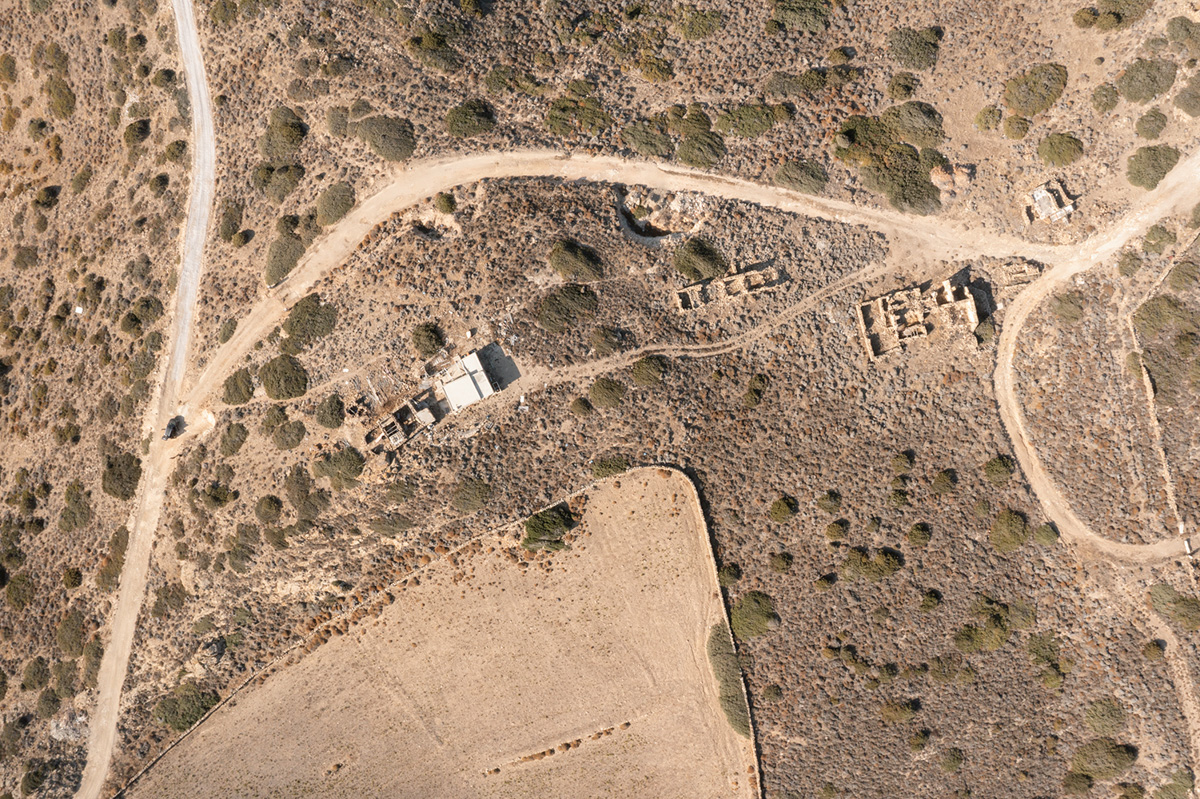
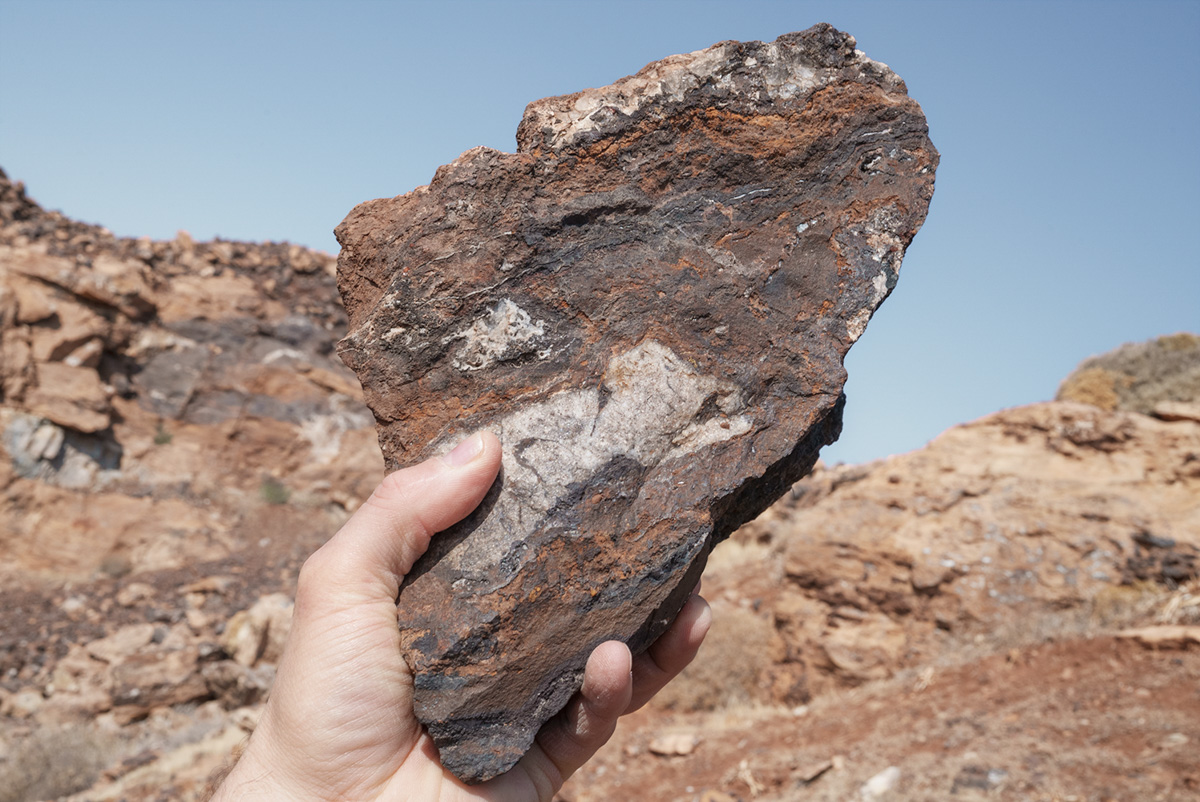
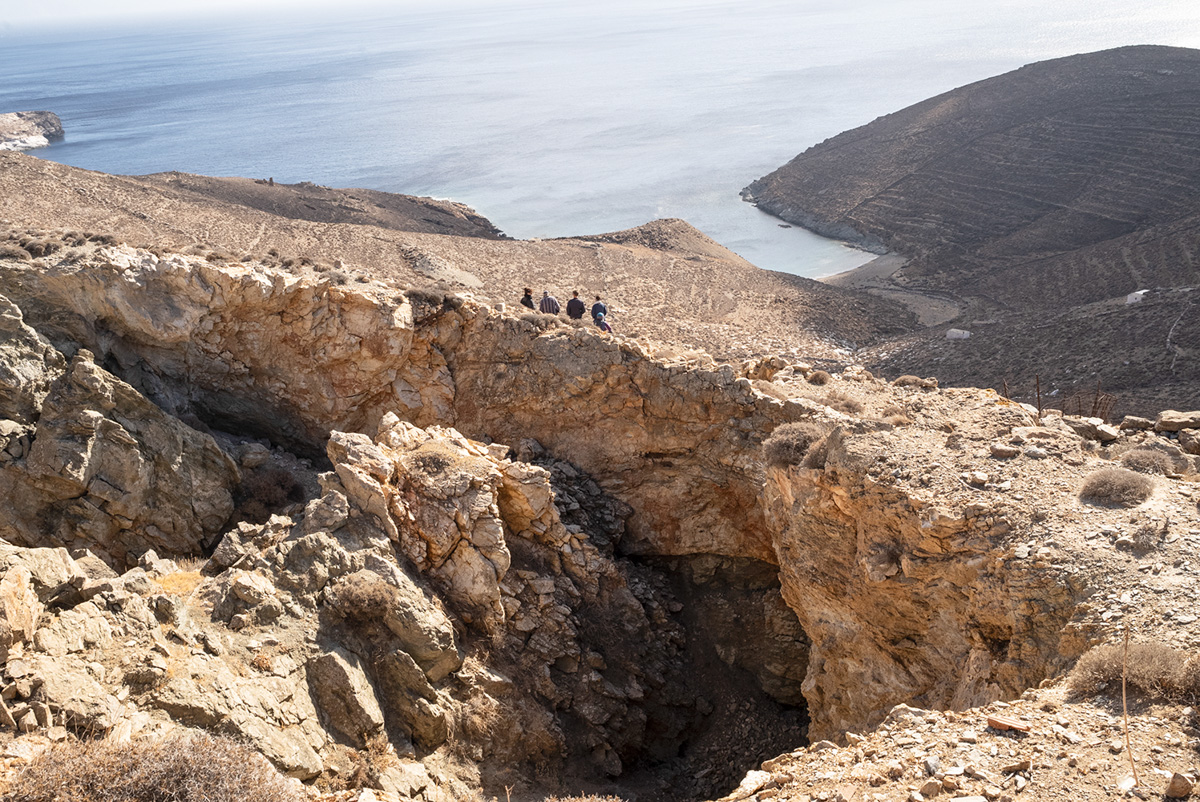
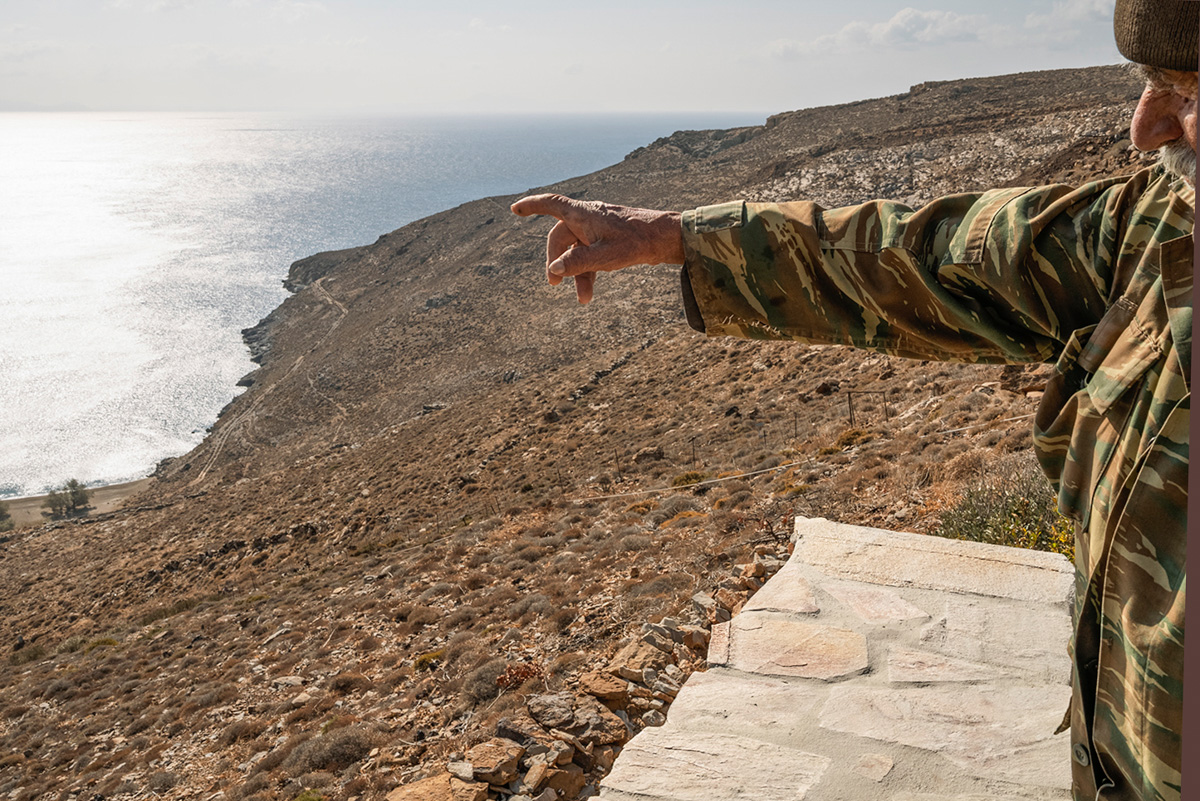
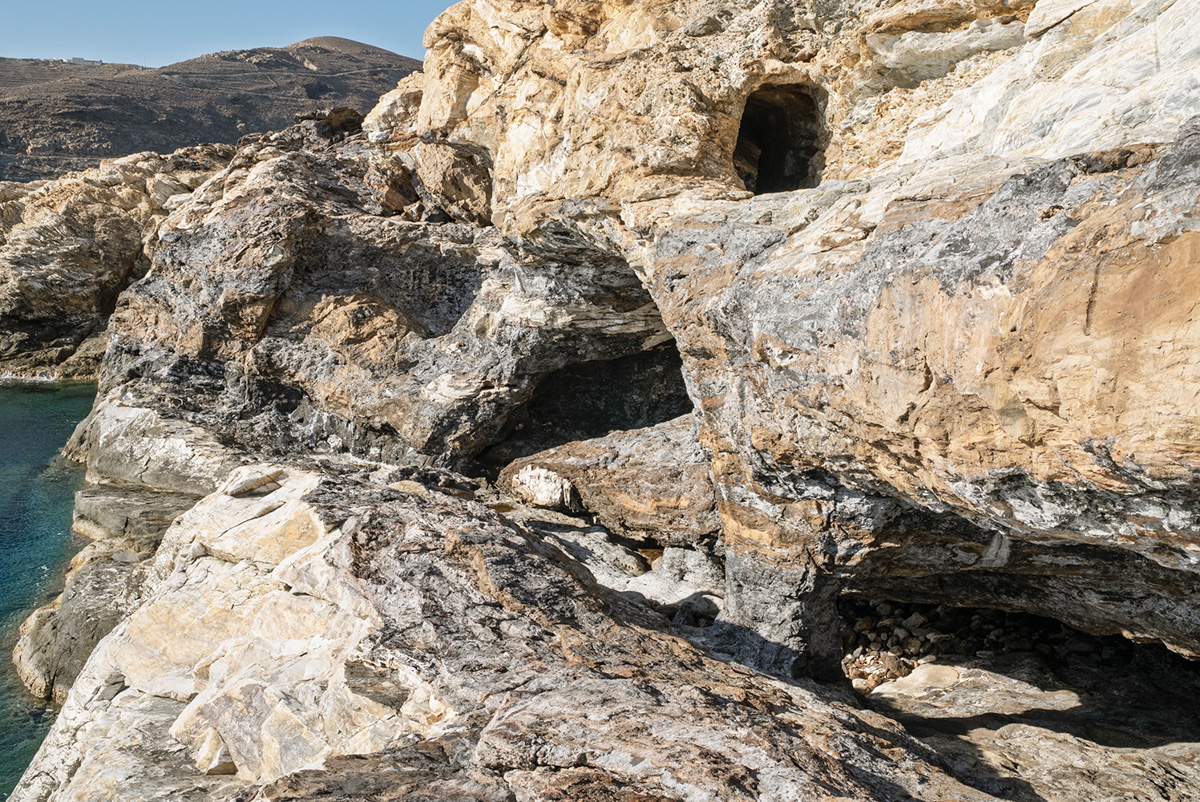
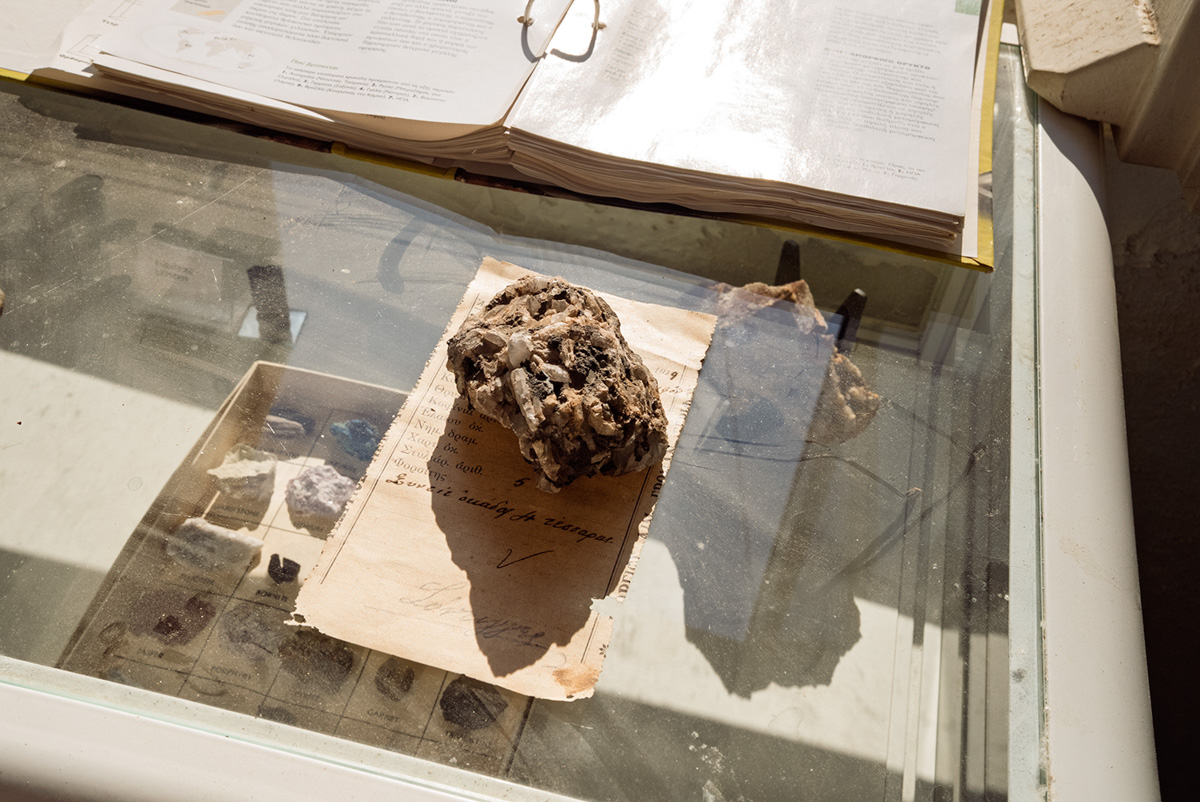
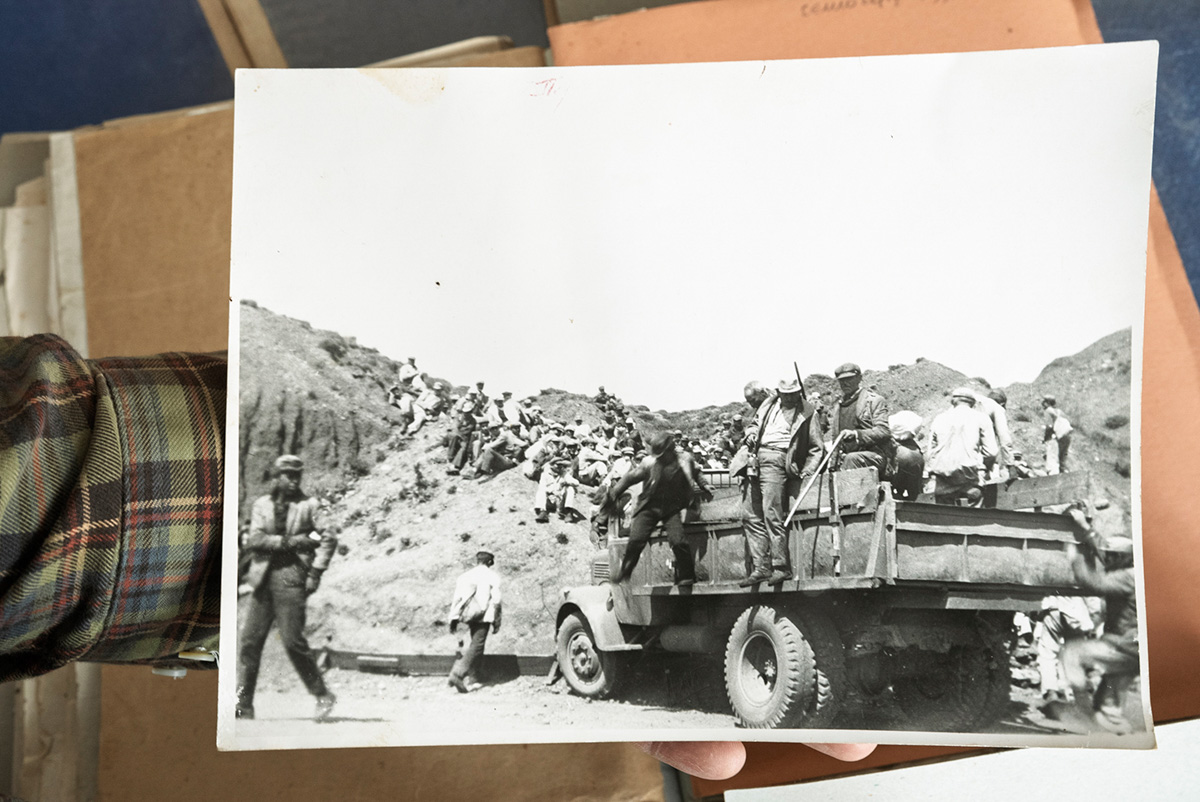
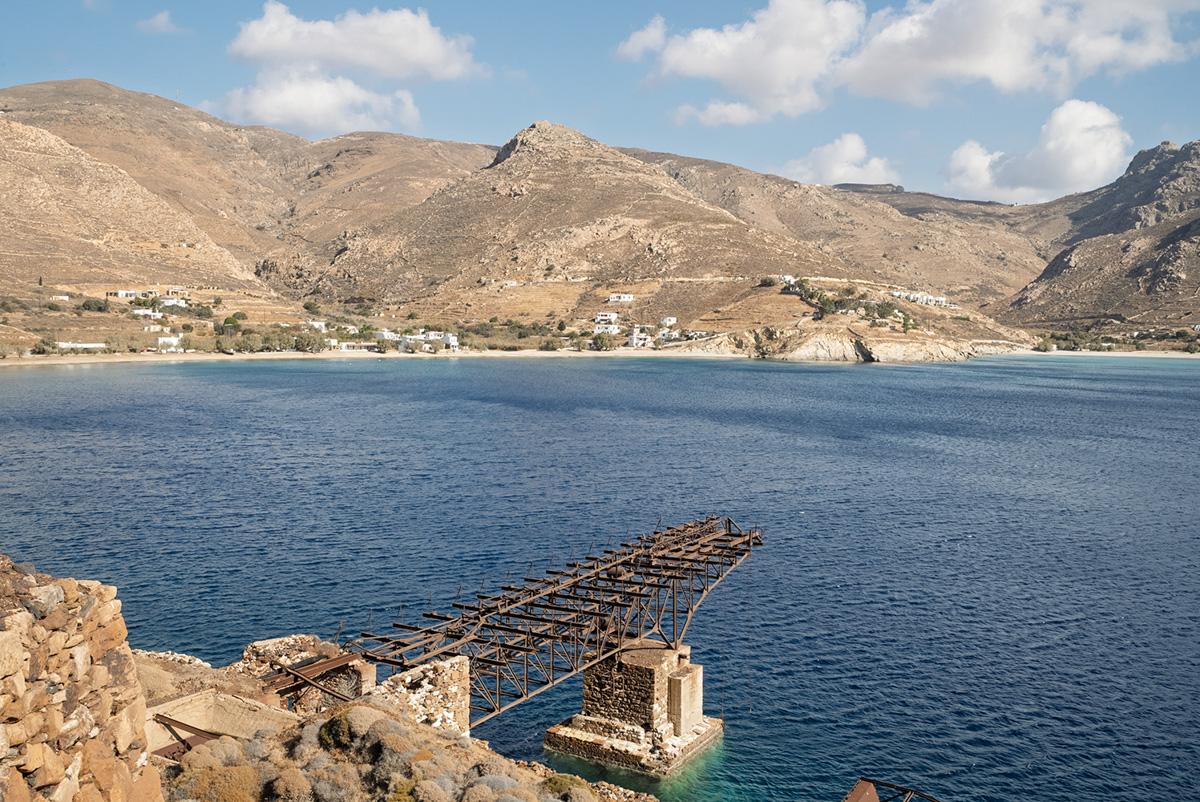
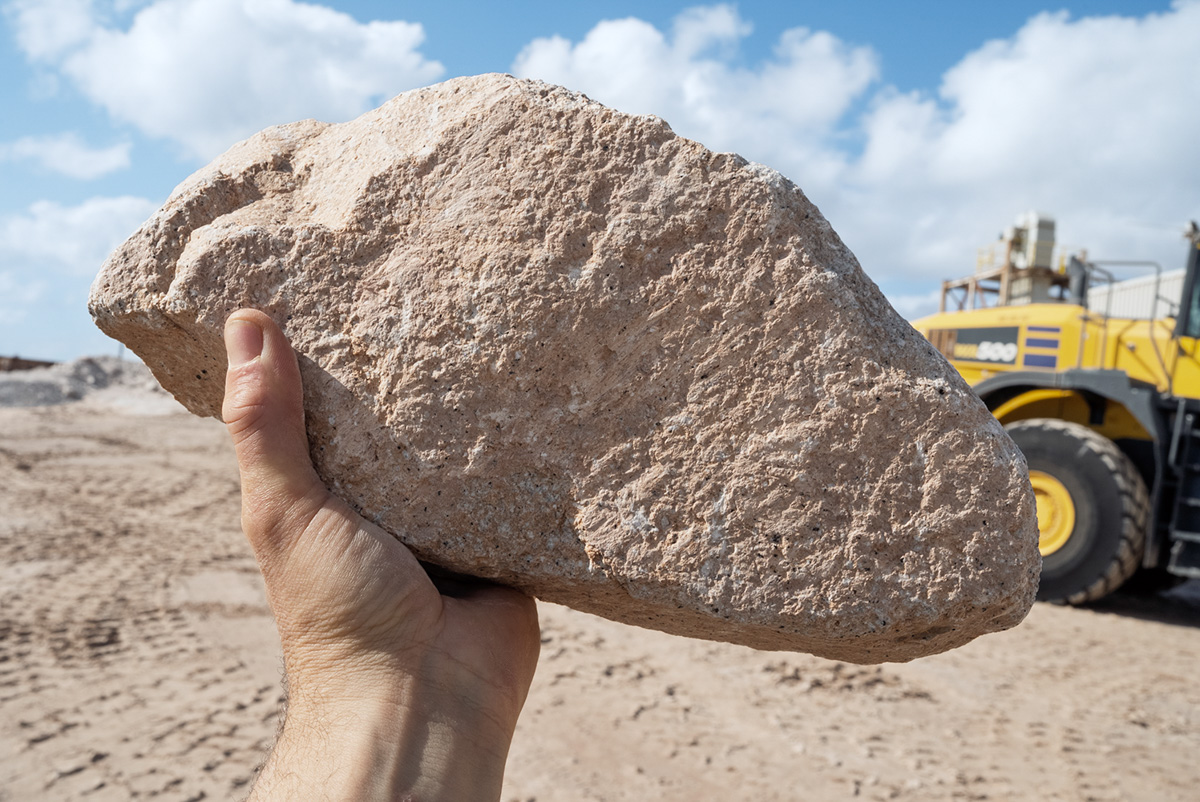
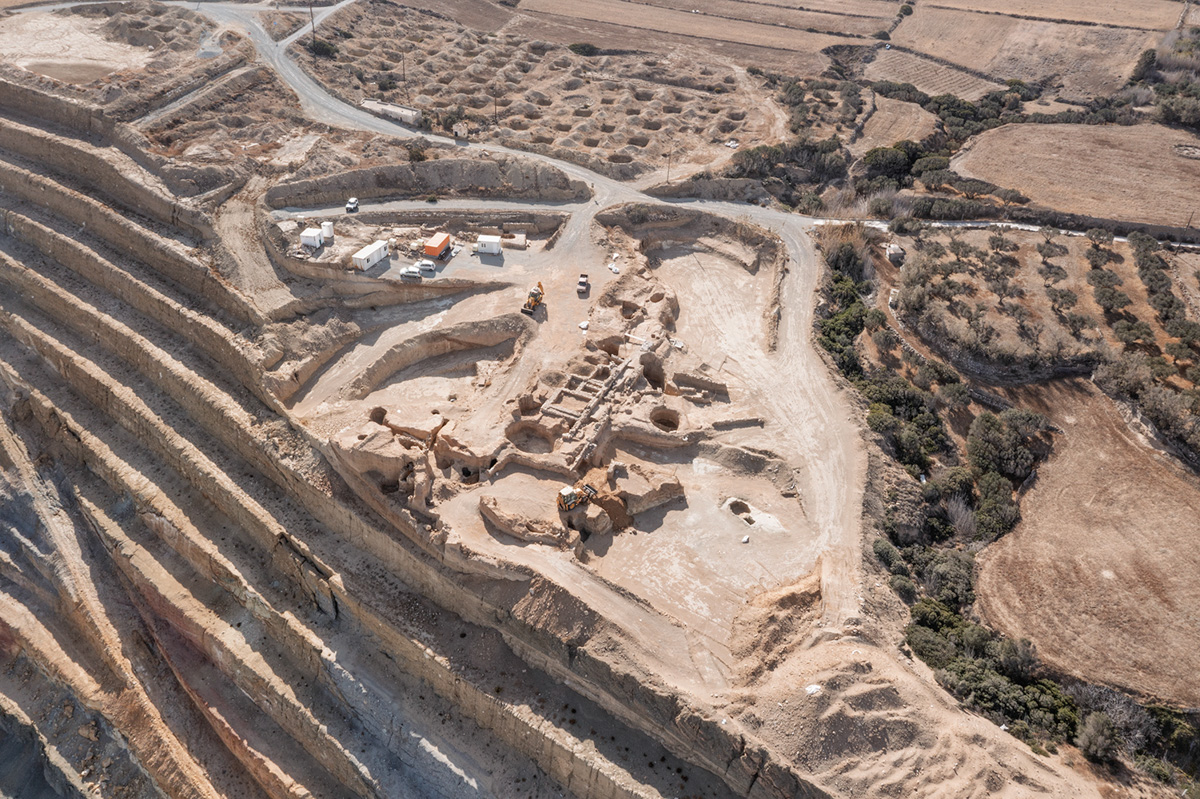
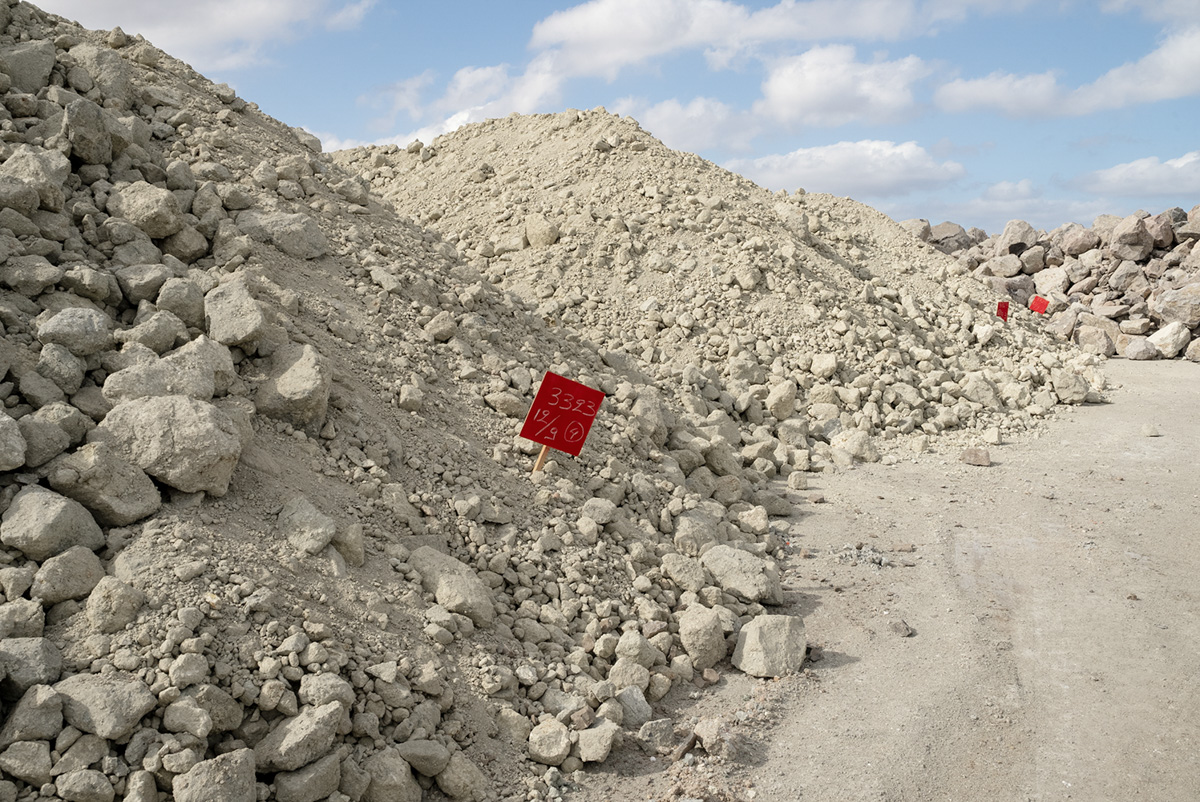
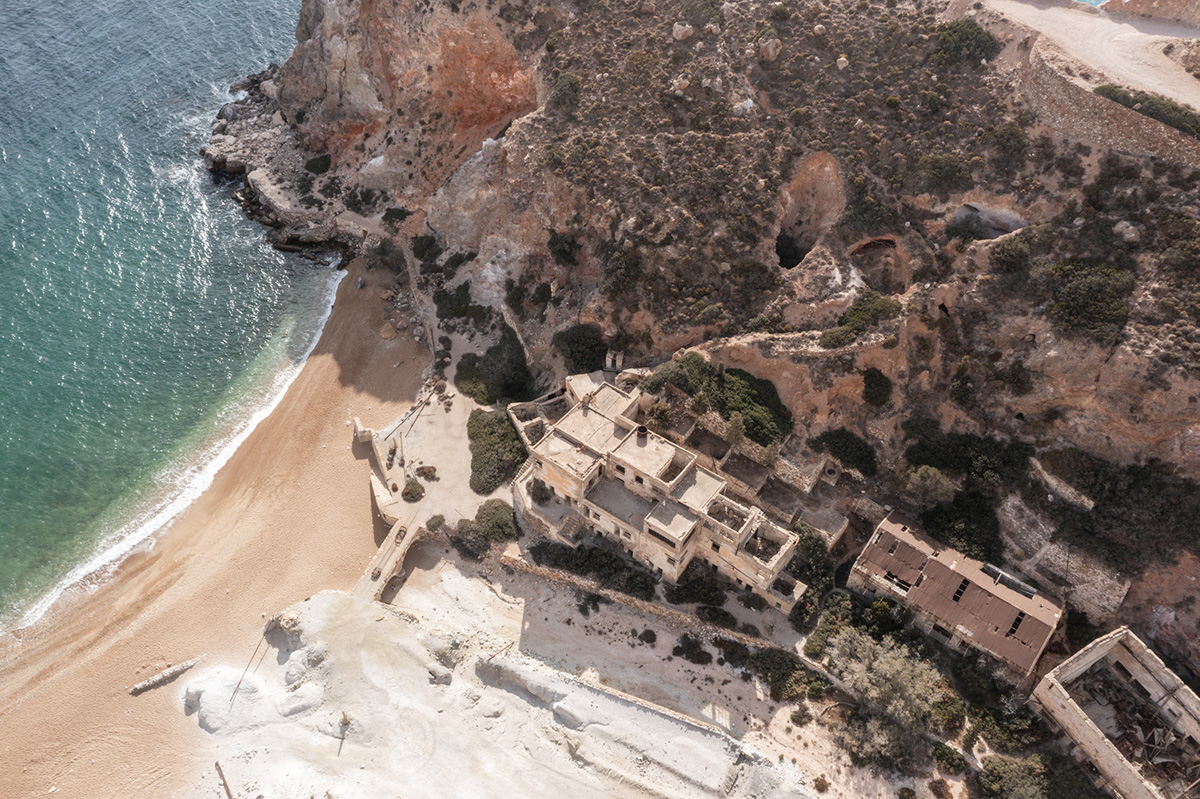
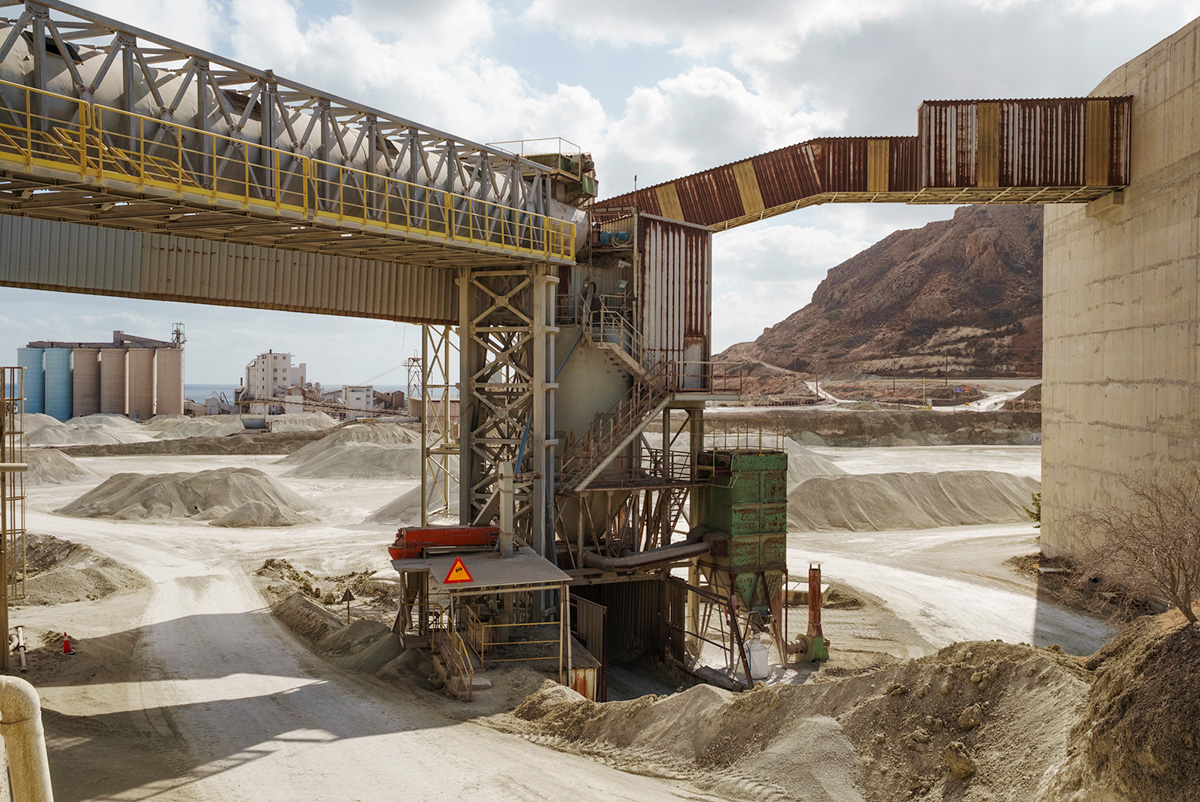
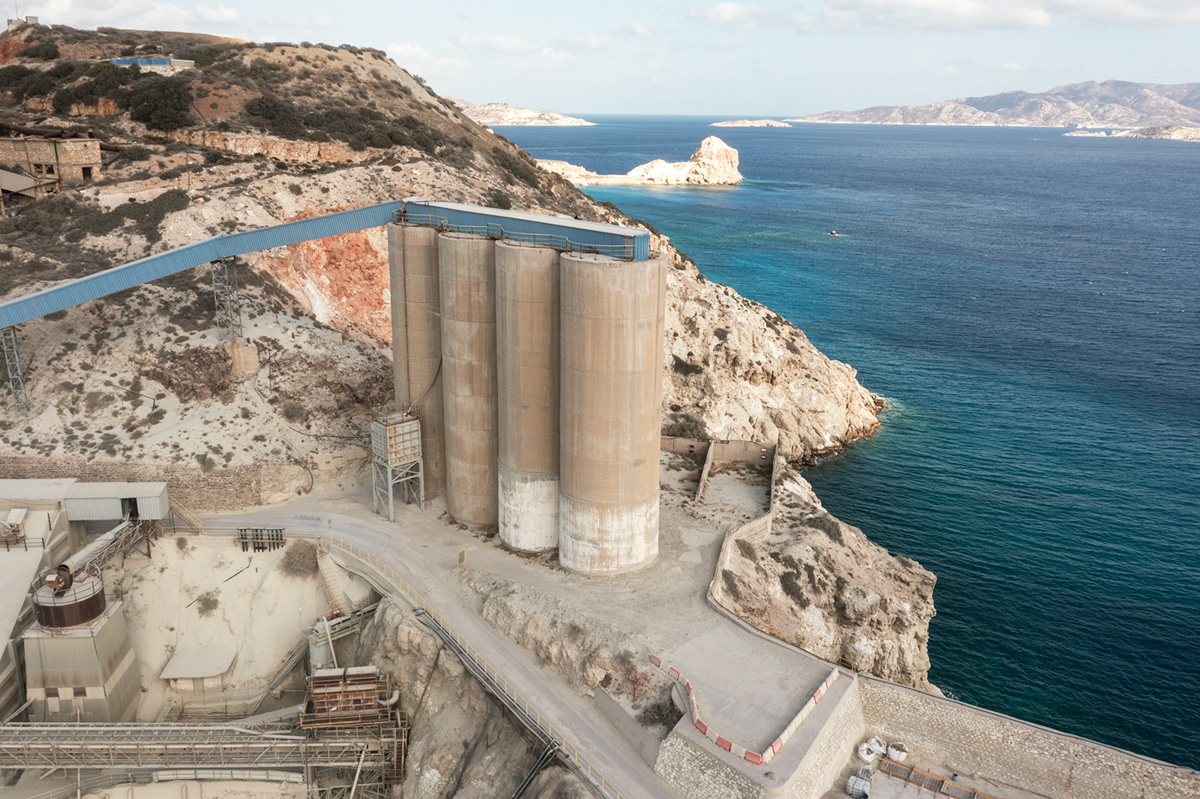
From the green marble quarries of Tinos to the iron mines of Serifos and the bentonite mines of Milos, the Cyclades’ rich mineral resources have shaped the islands’ social, cultural, and physical environments. Although mining has been prevalent in the region since antiquity, mineral extraction intensified and diversified in the nineteenth and twentieth centuries. Traces of these modern industrial activities are etched into the landscape and collective memory of the island’s communities, anchoring stories of labor struggles, technological advancements, and environmental change. In most cases, the island economies today rely more heavily on tourism than industrial mining. Yet the past, present, and future of mineral extraction in the Cyclades raises urgent questions about economic and environmental sustainability and reveals the interplay of local island histories and identities with global economic, geopolitical, and environmental forces.
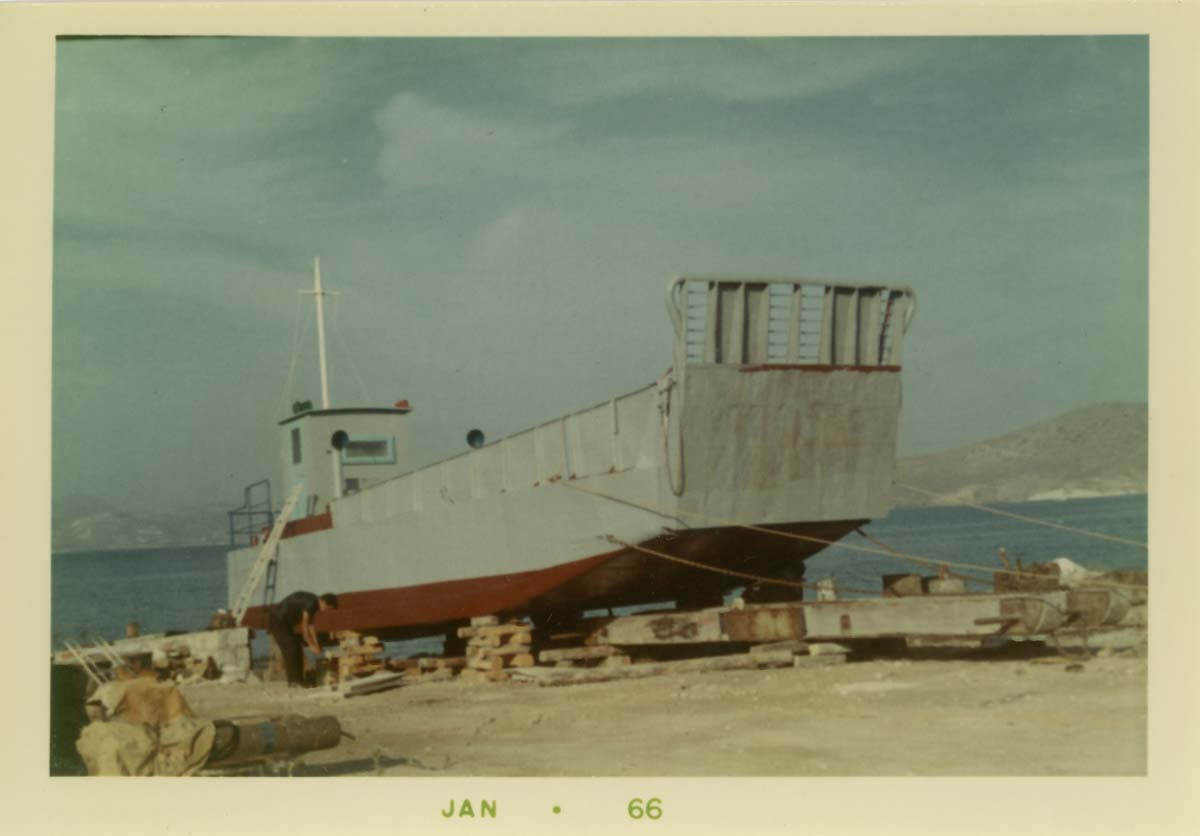
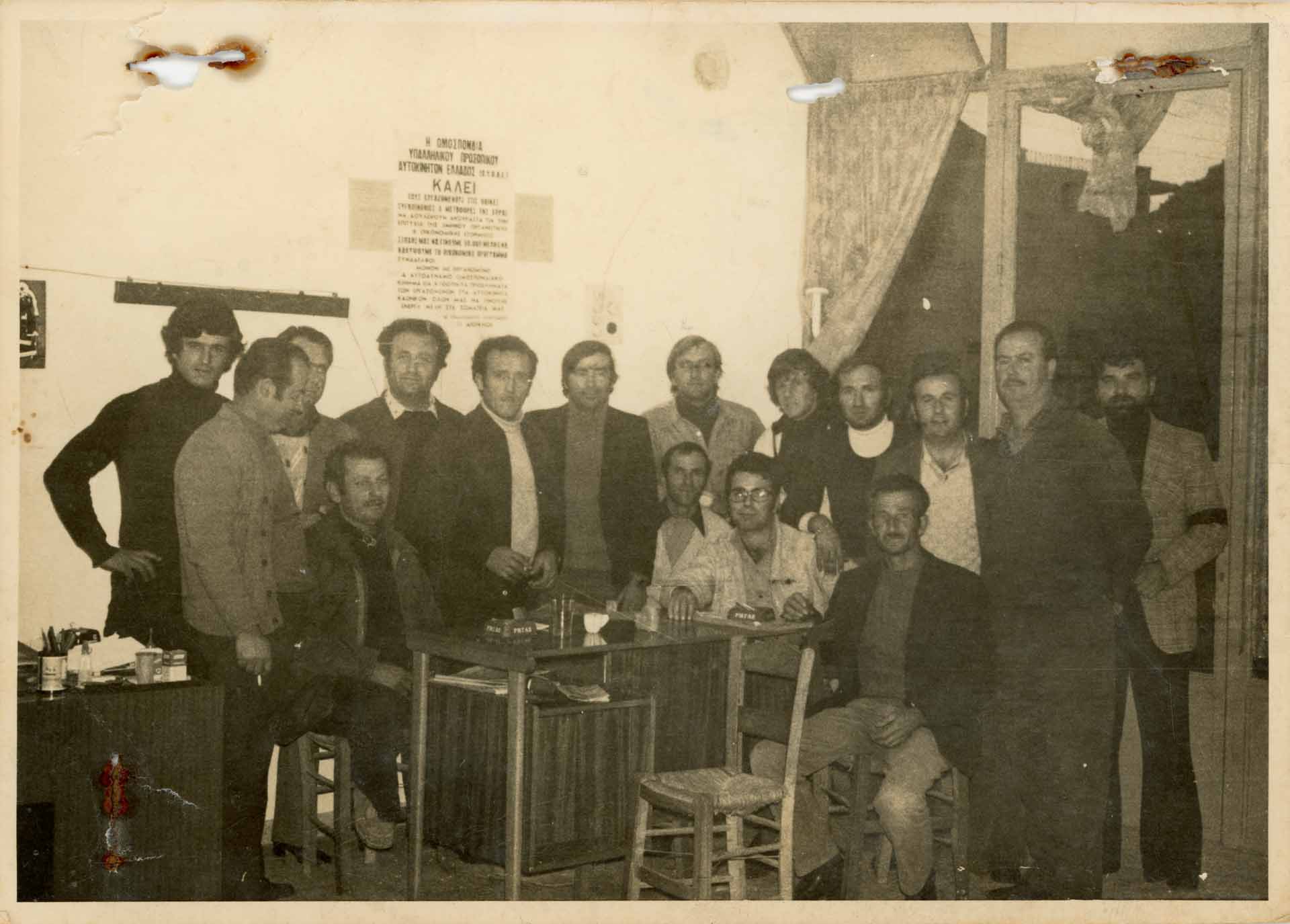
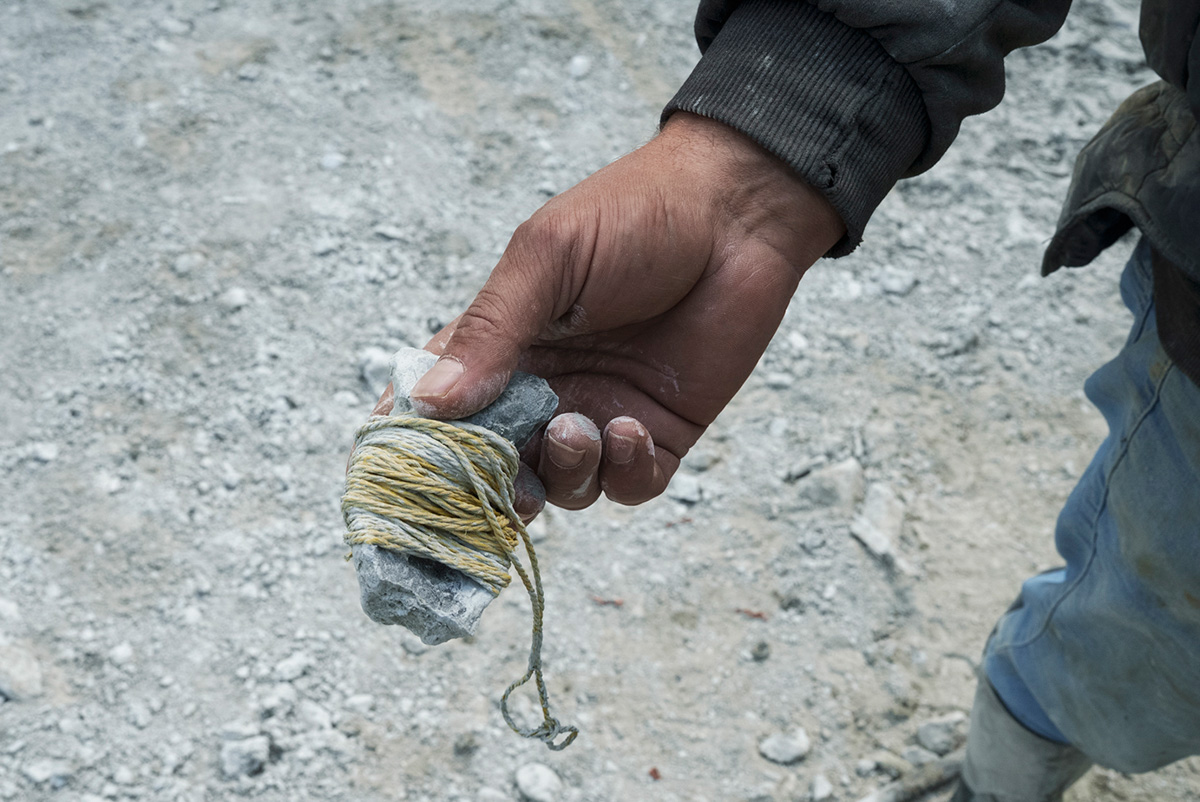
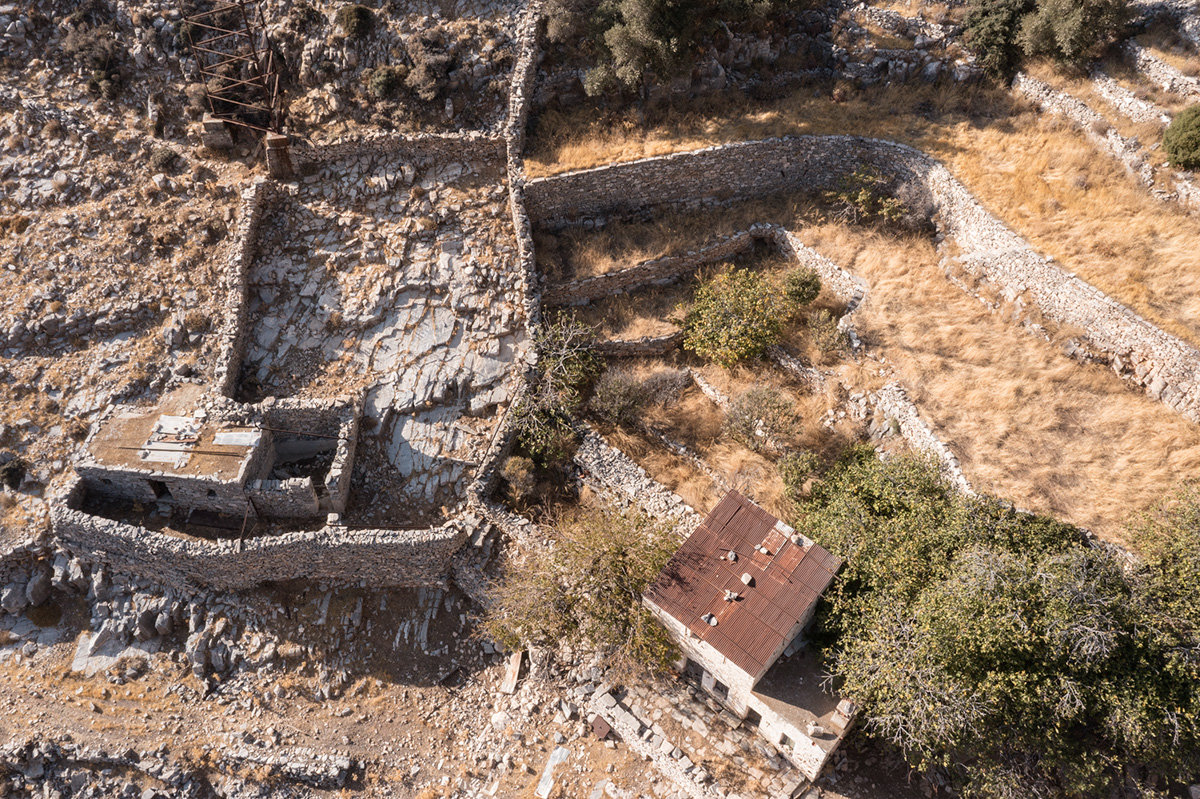
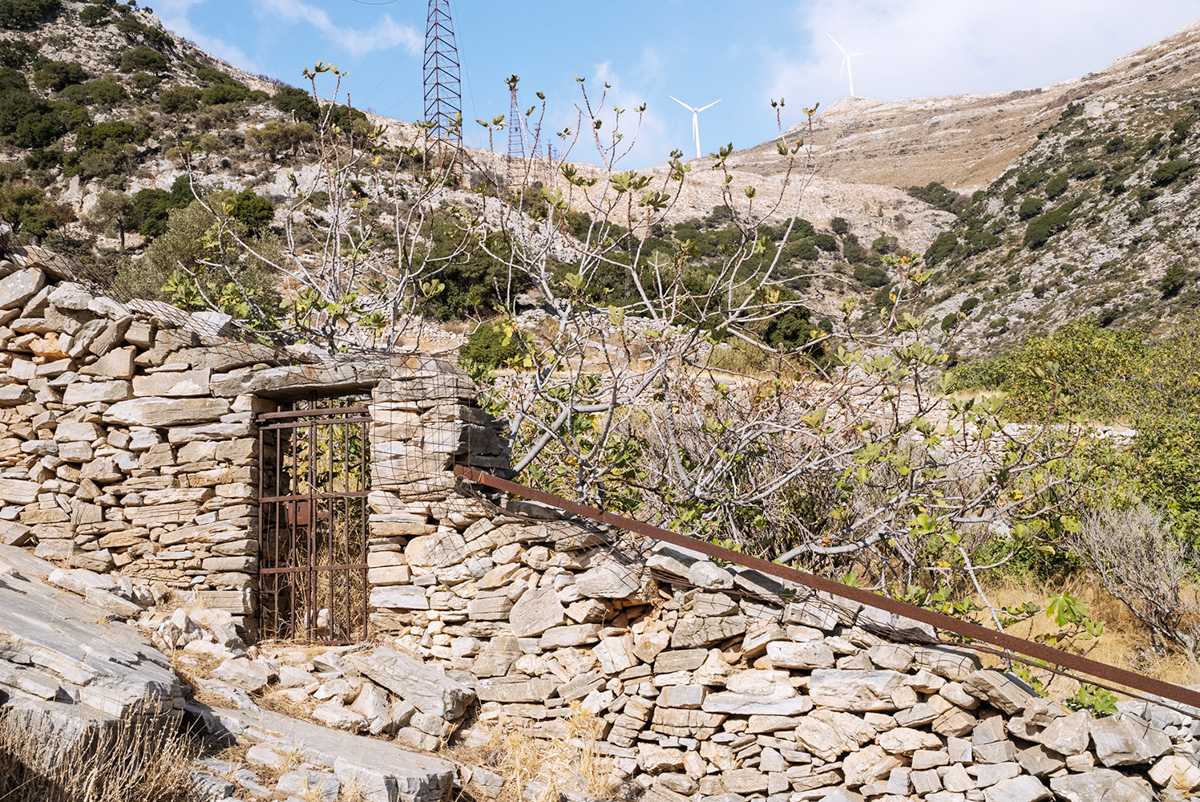
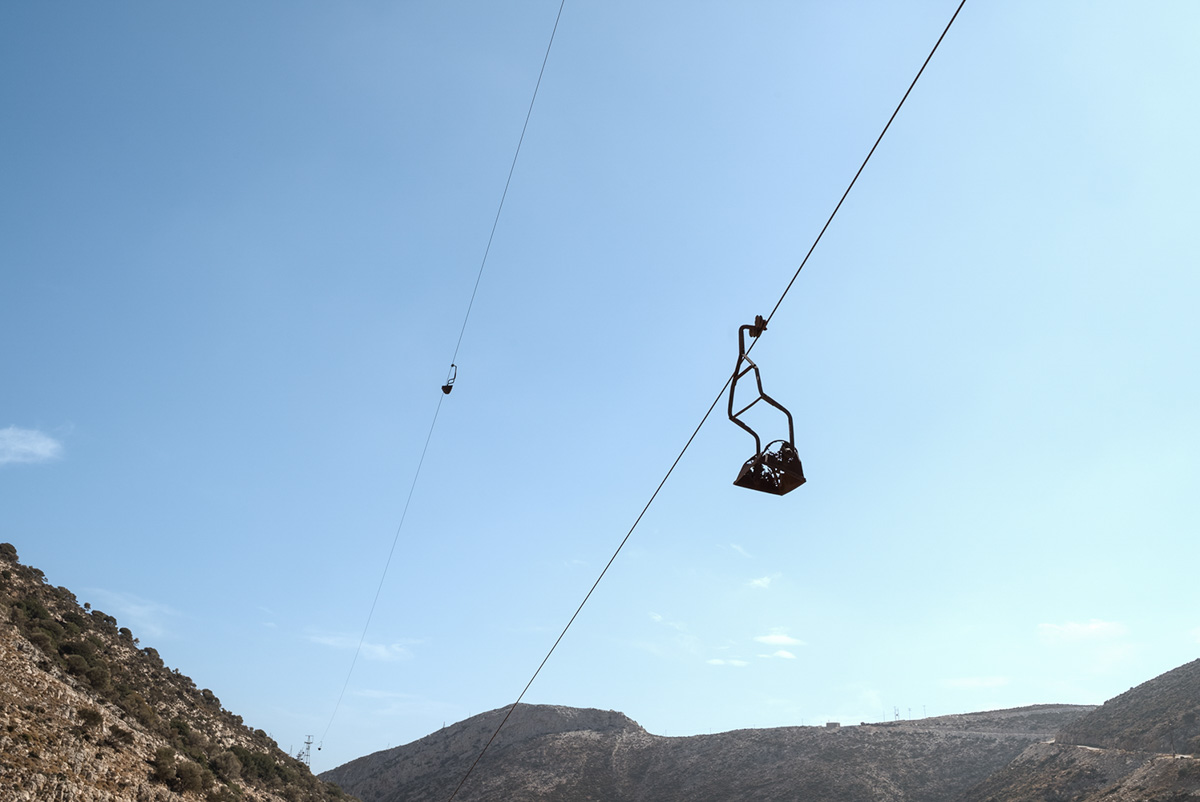
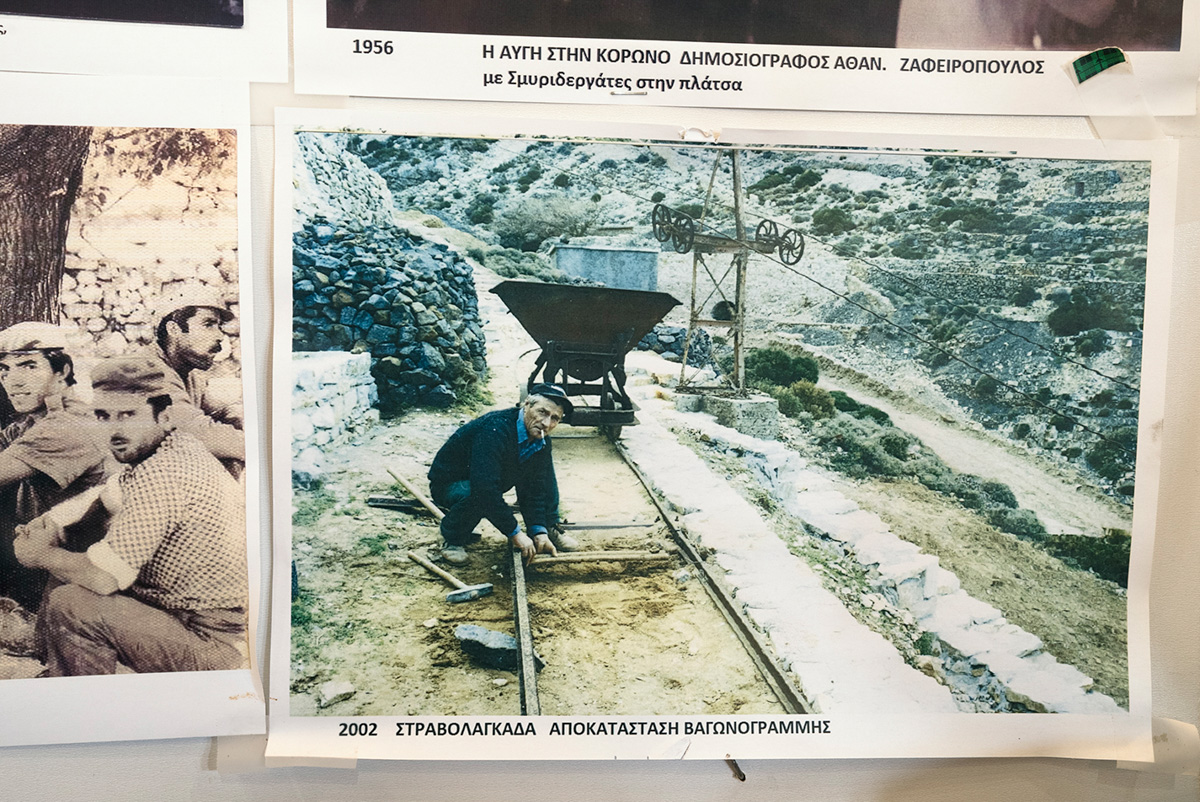
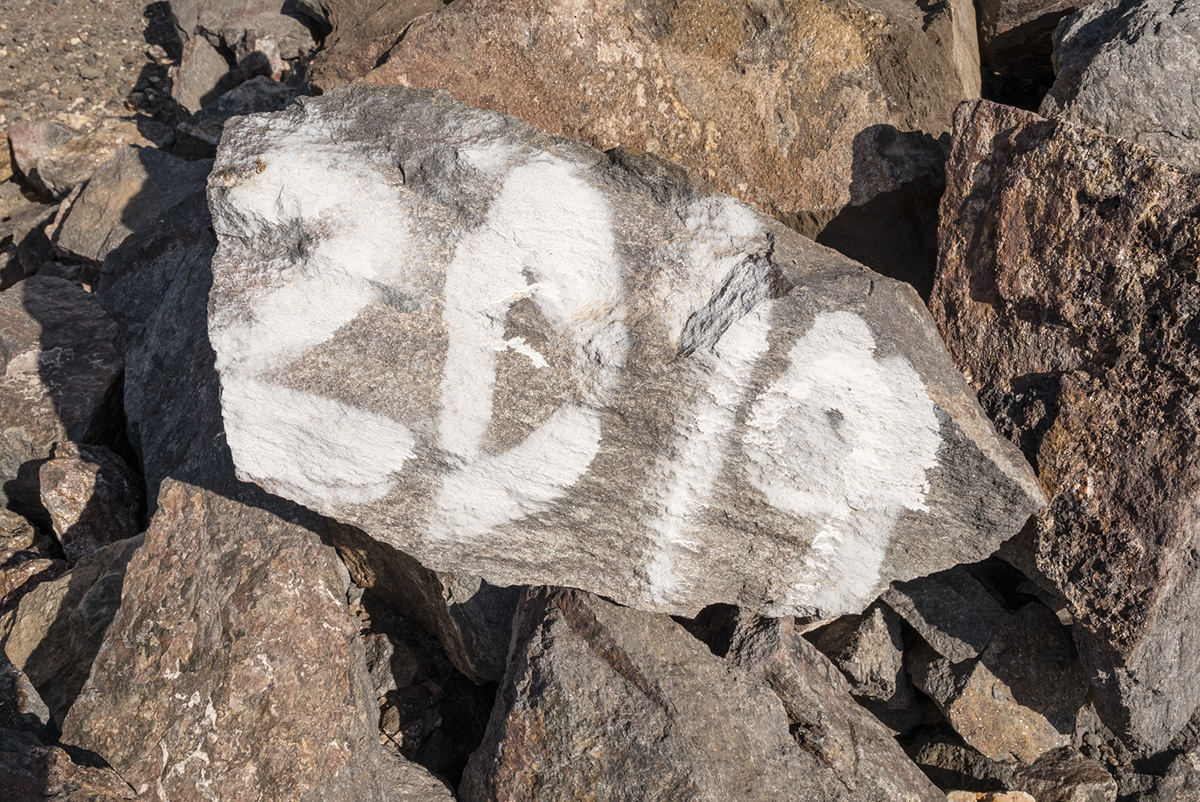
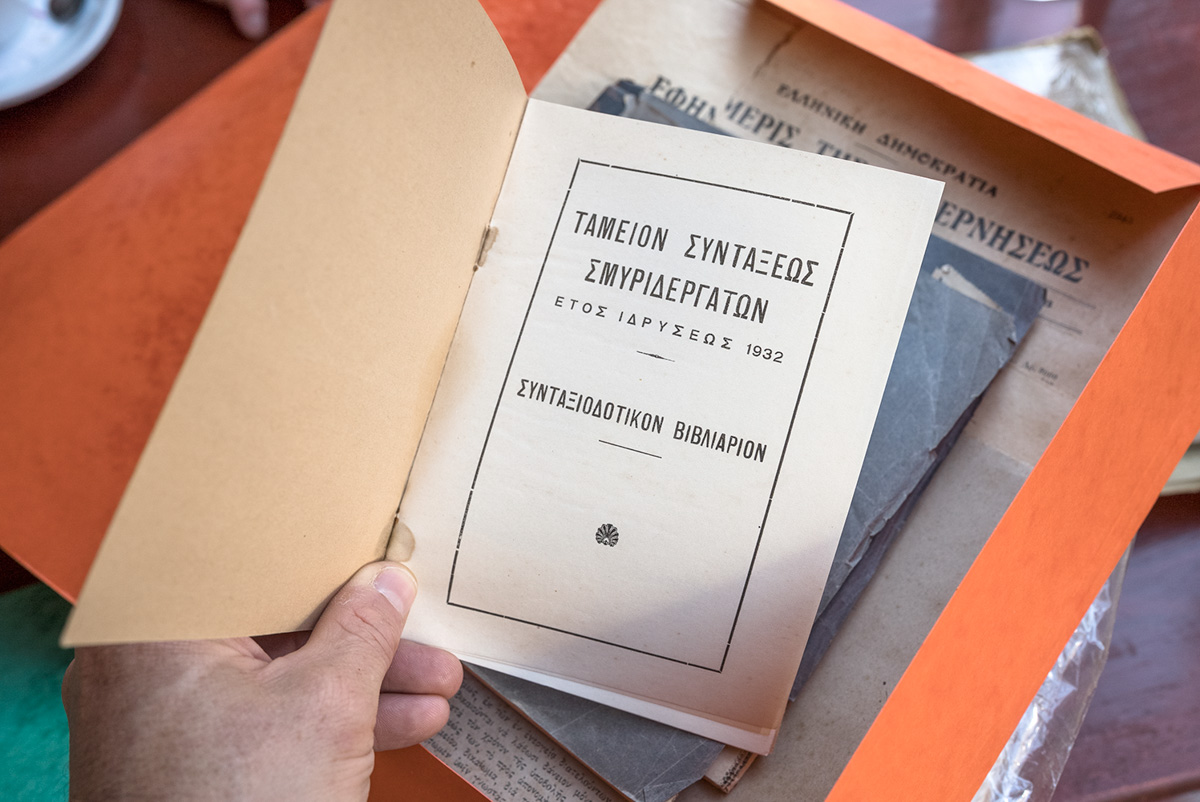
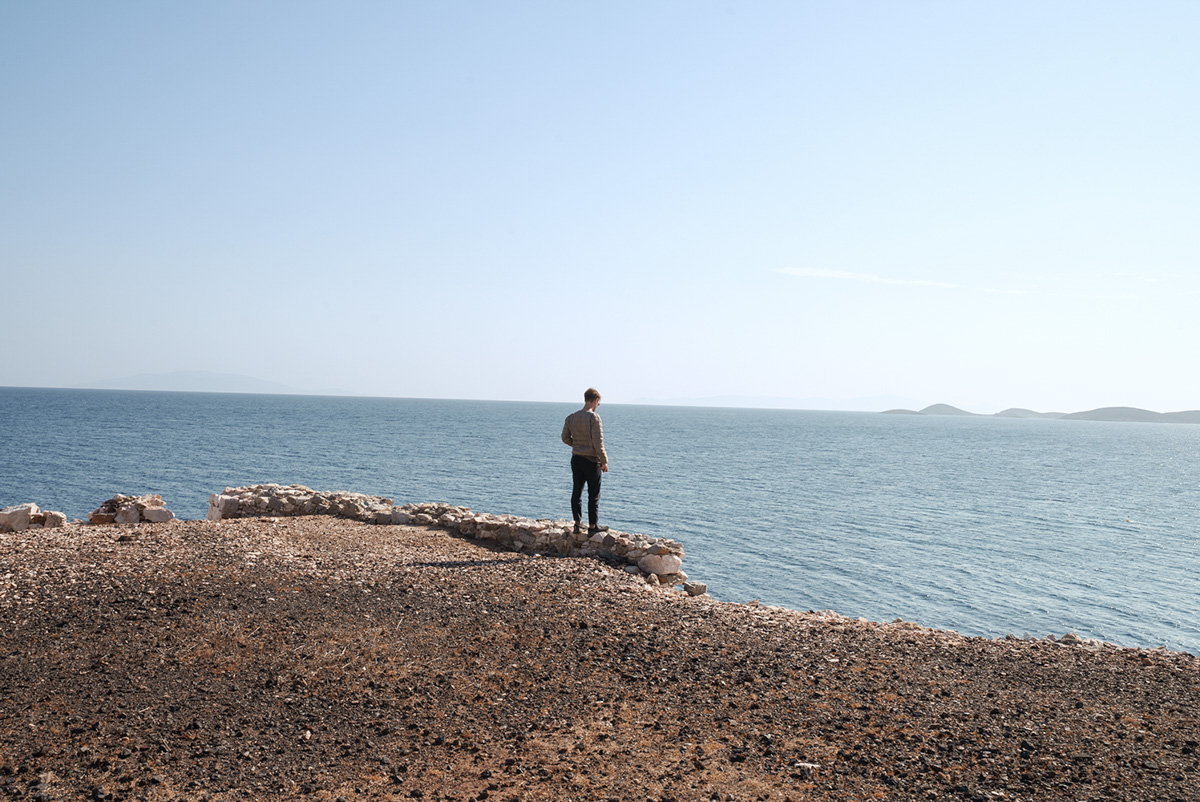
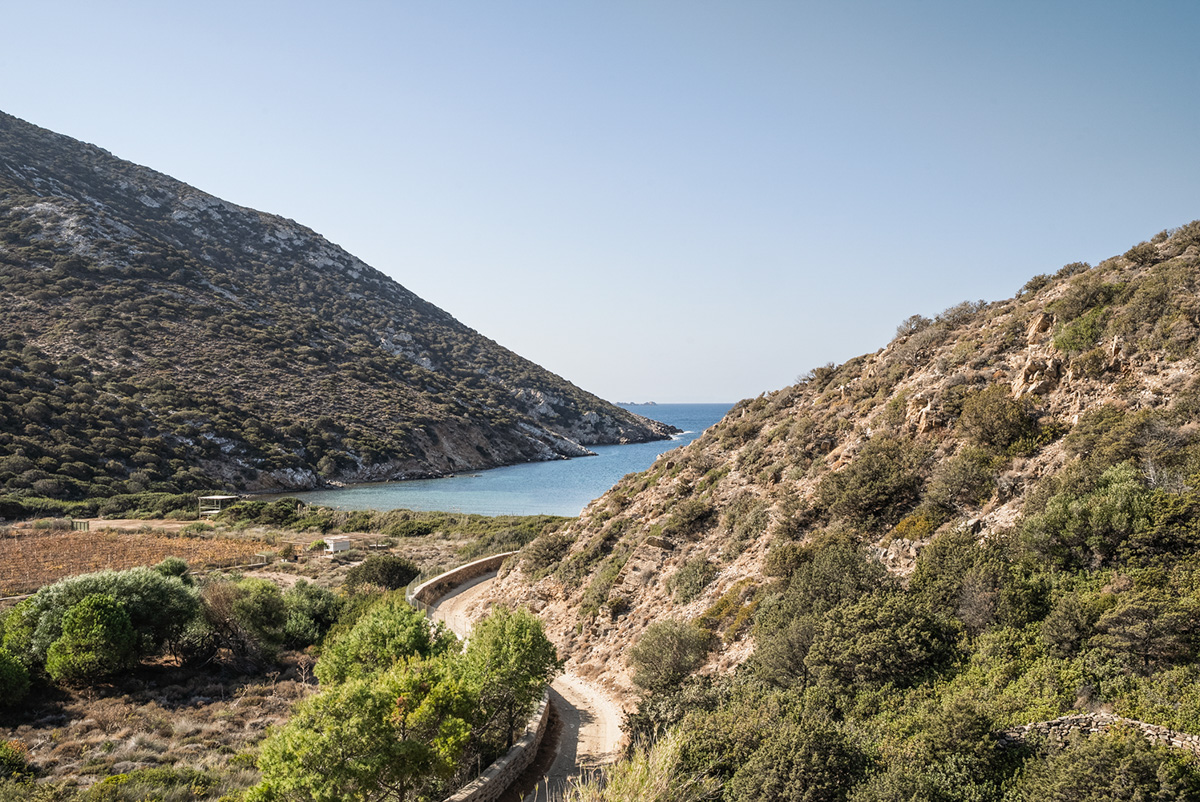
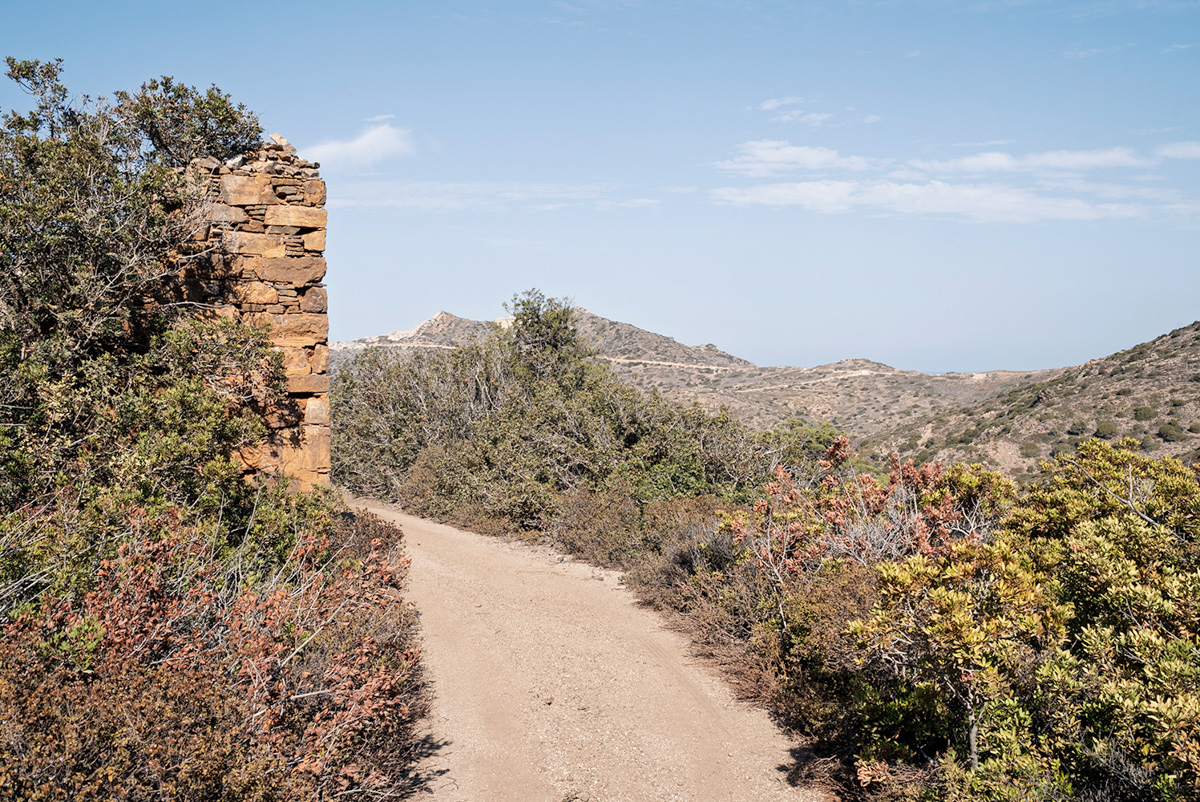
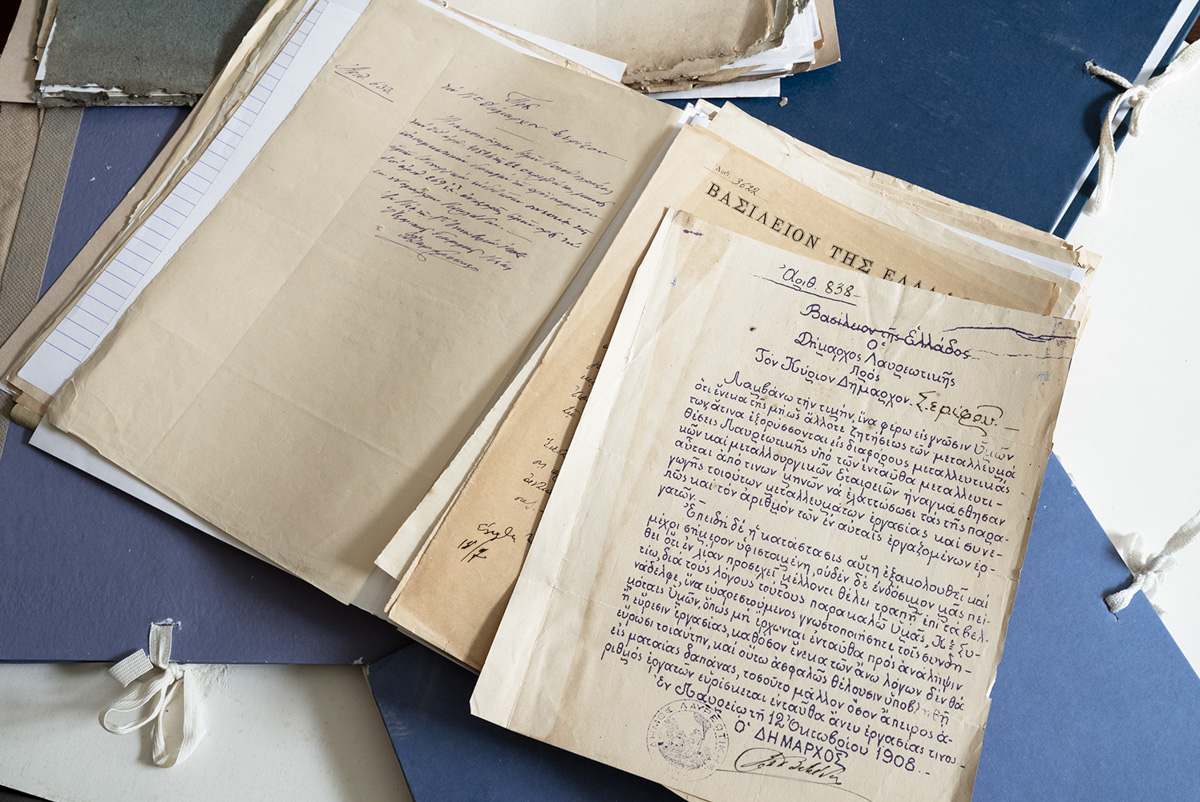
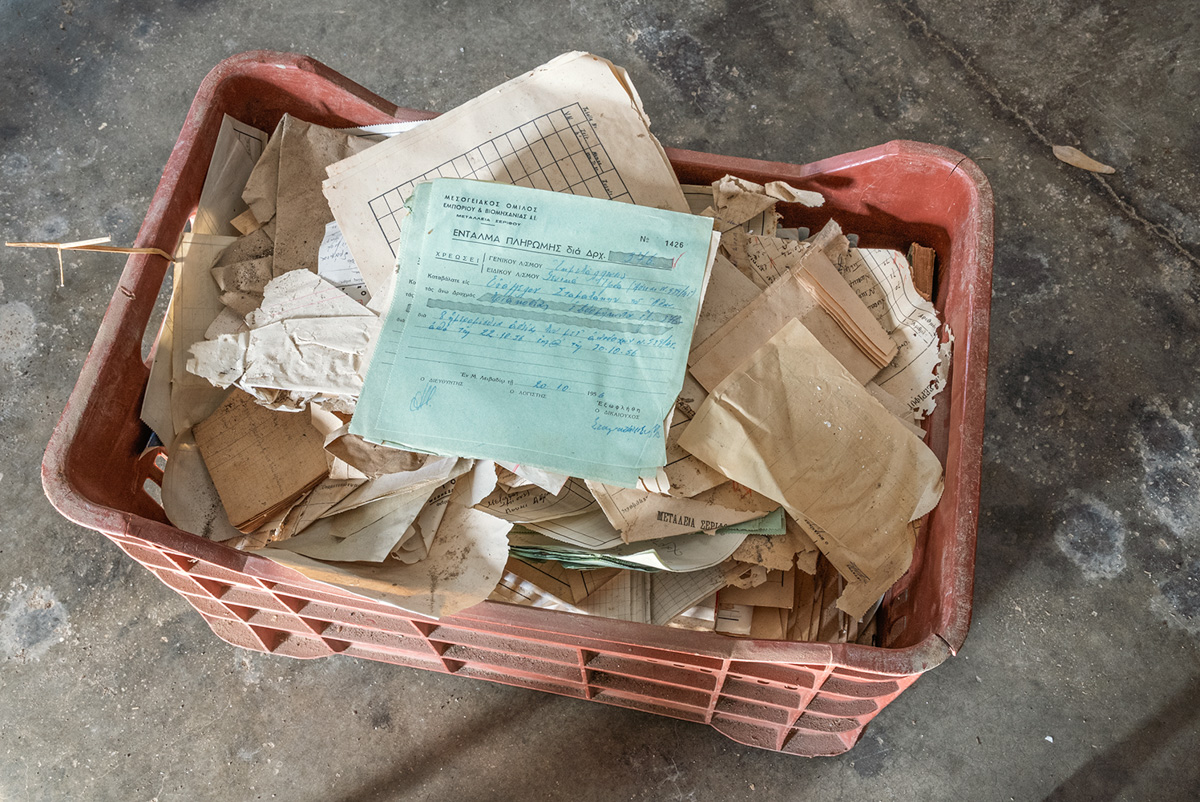
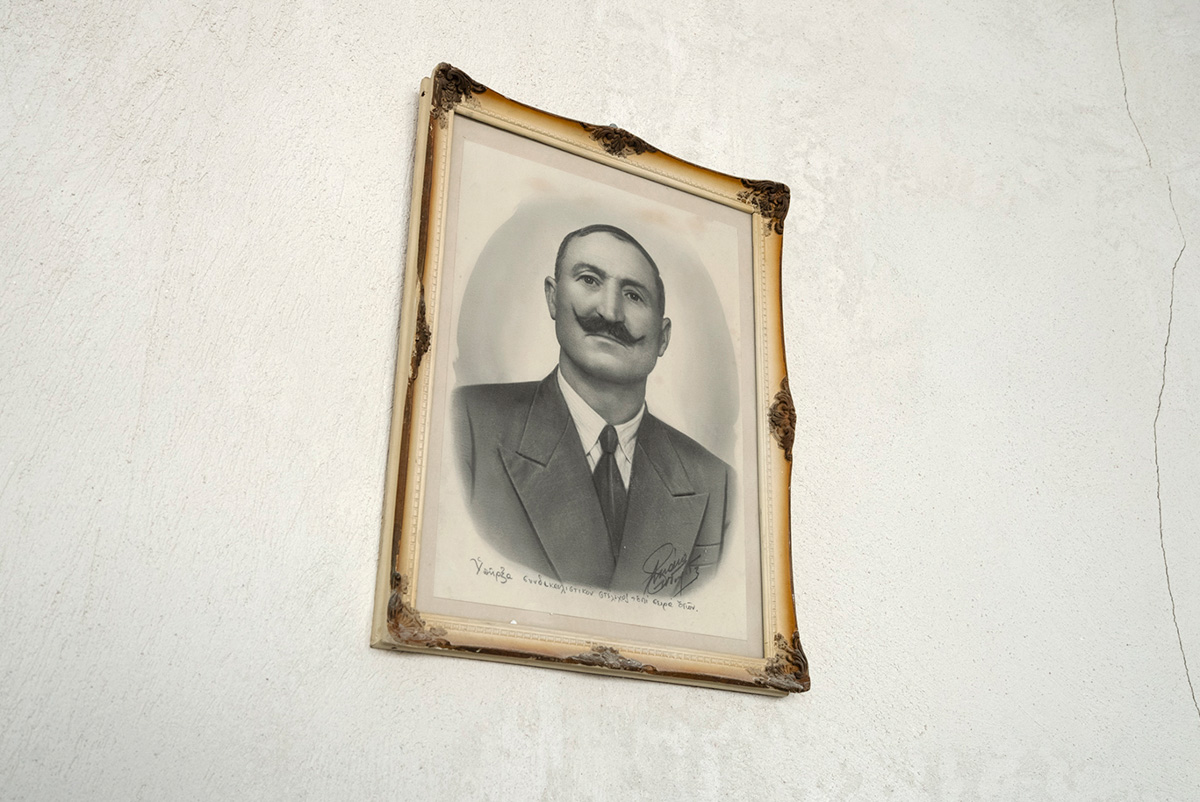
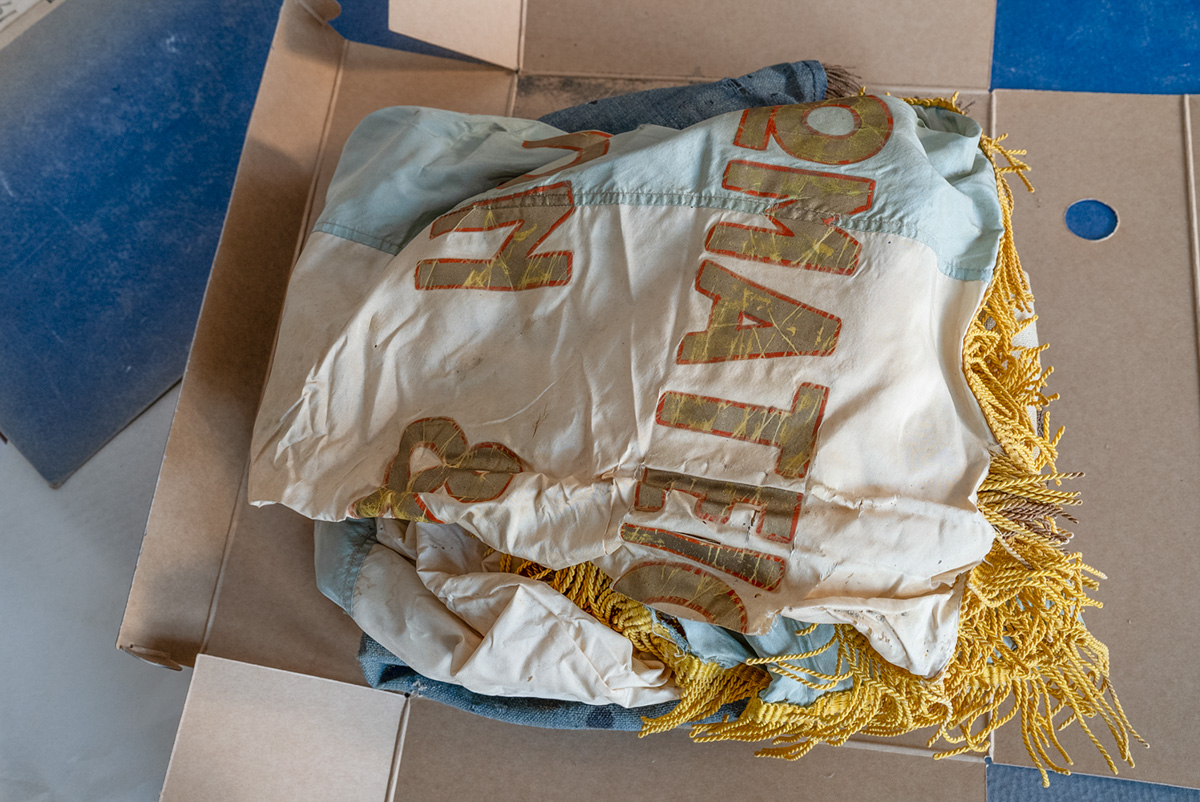
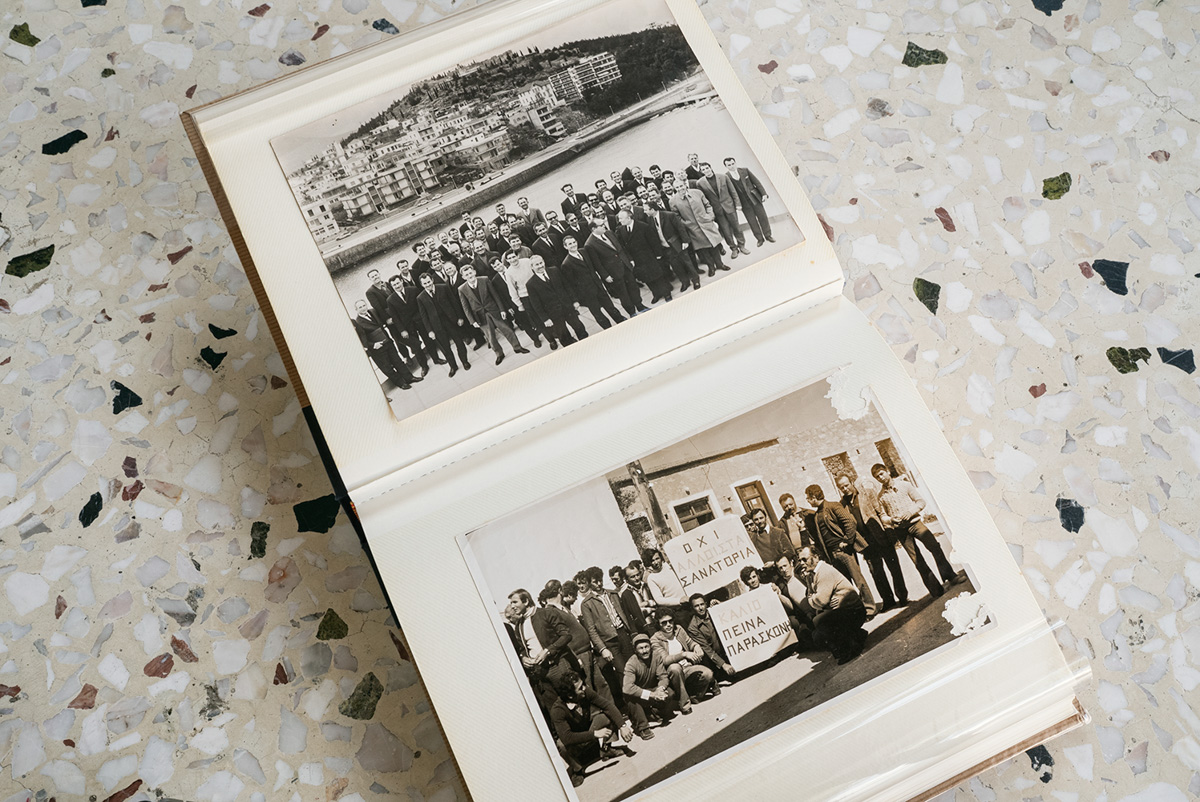
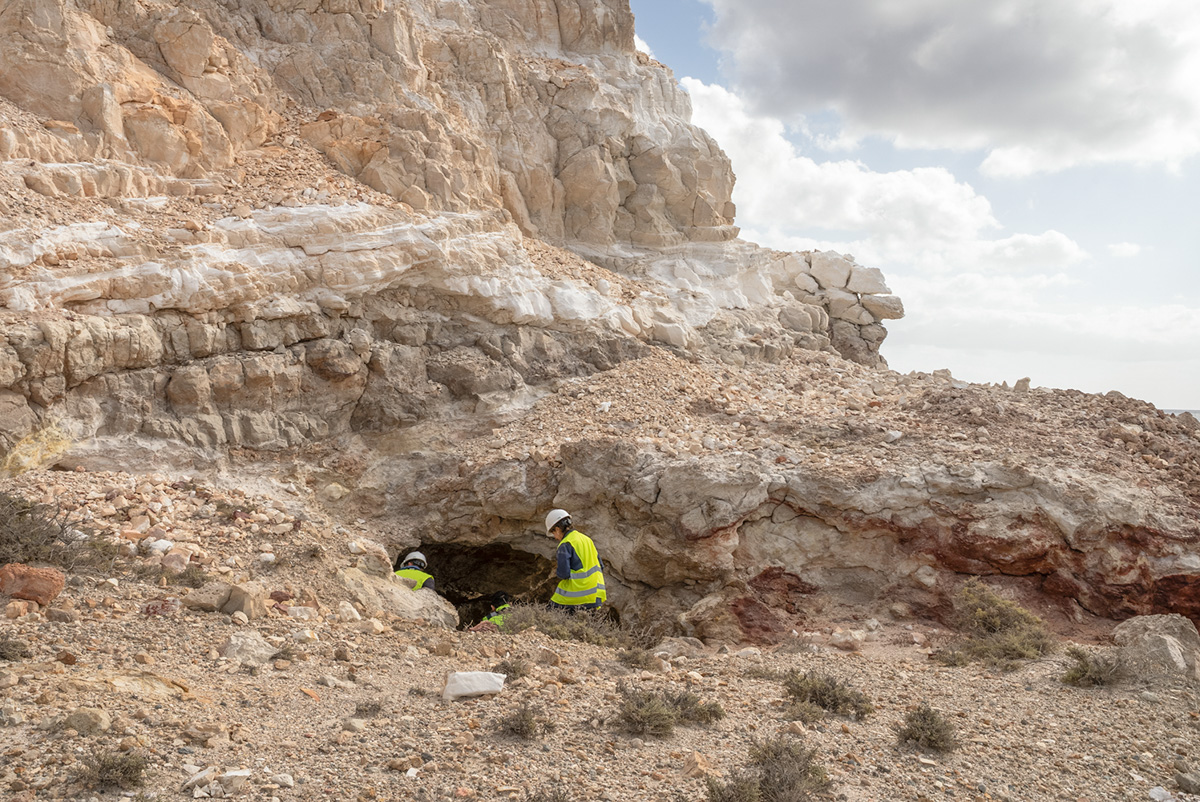
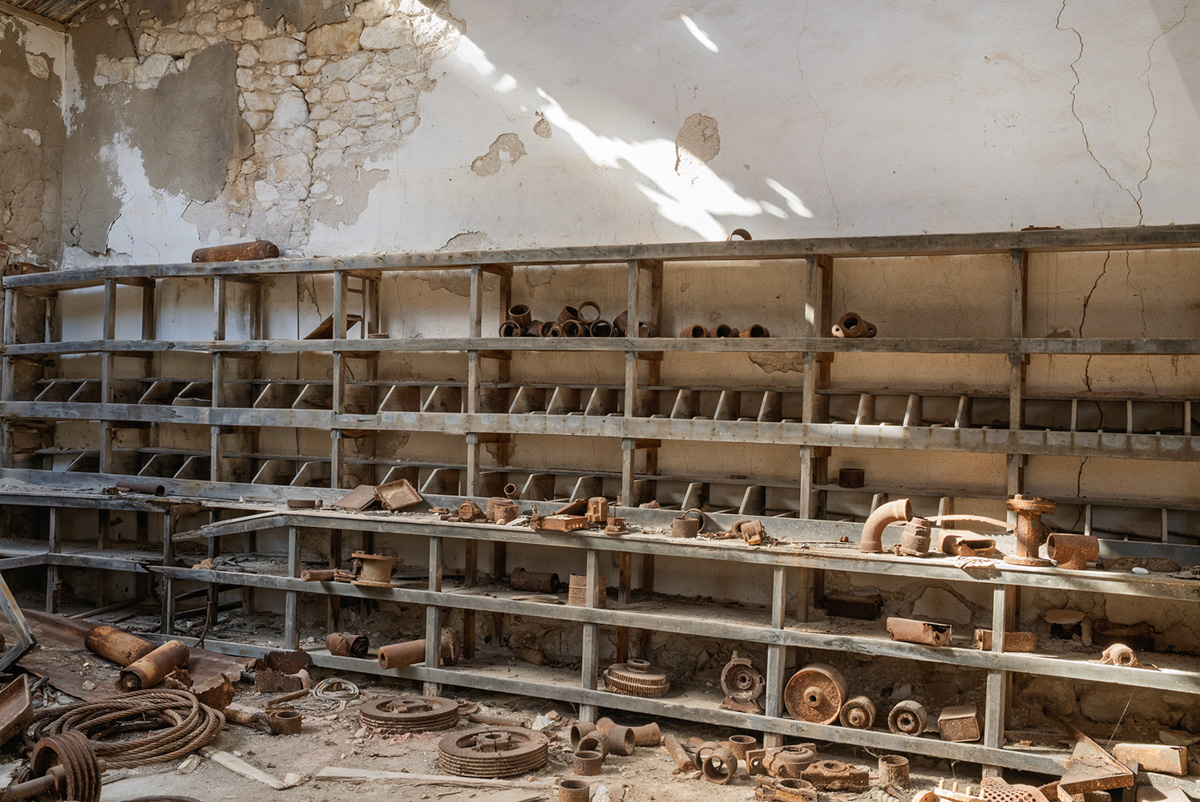
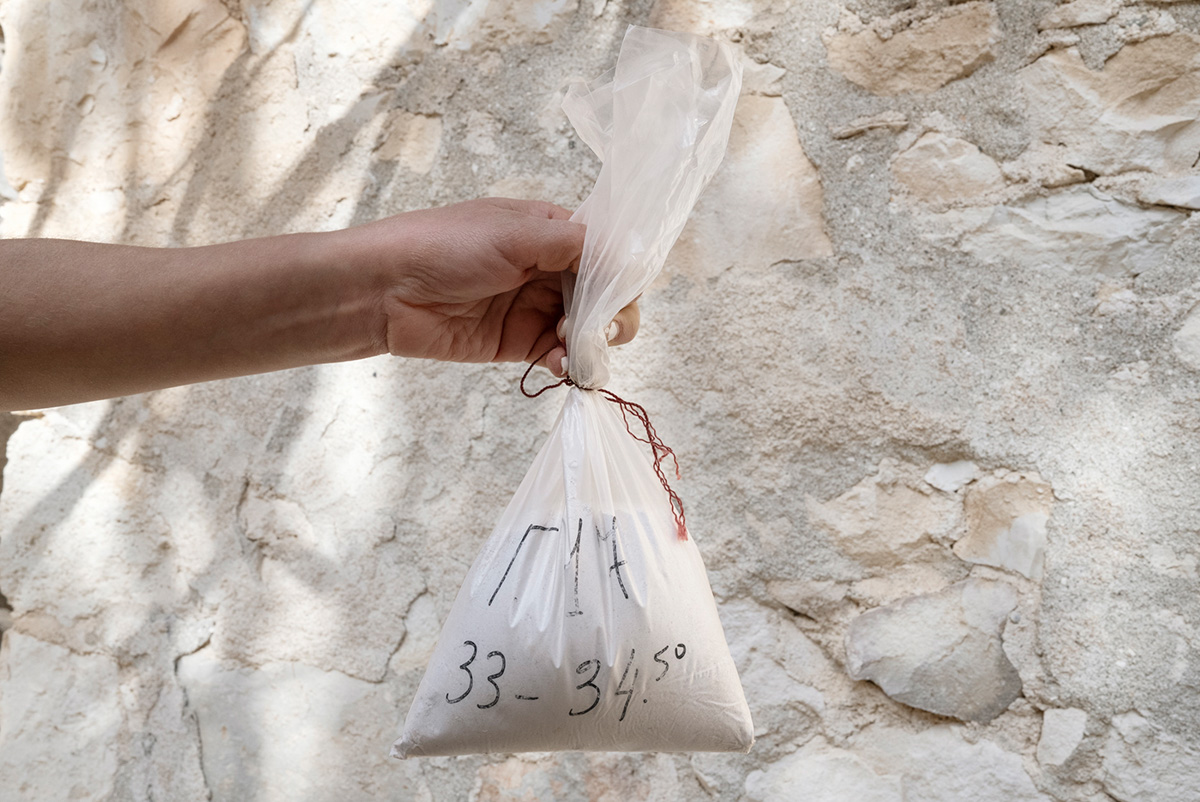
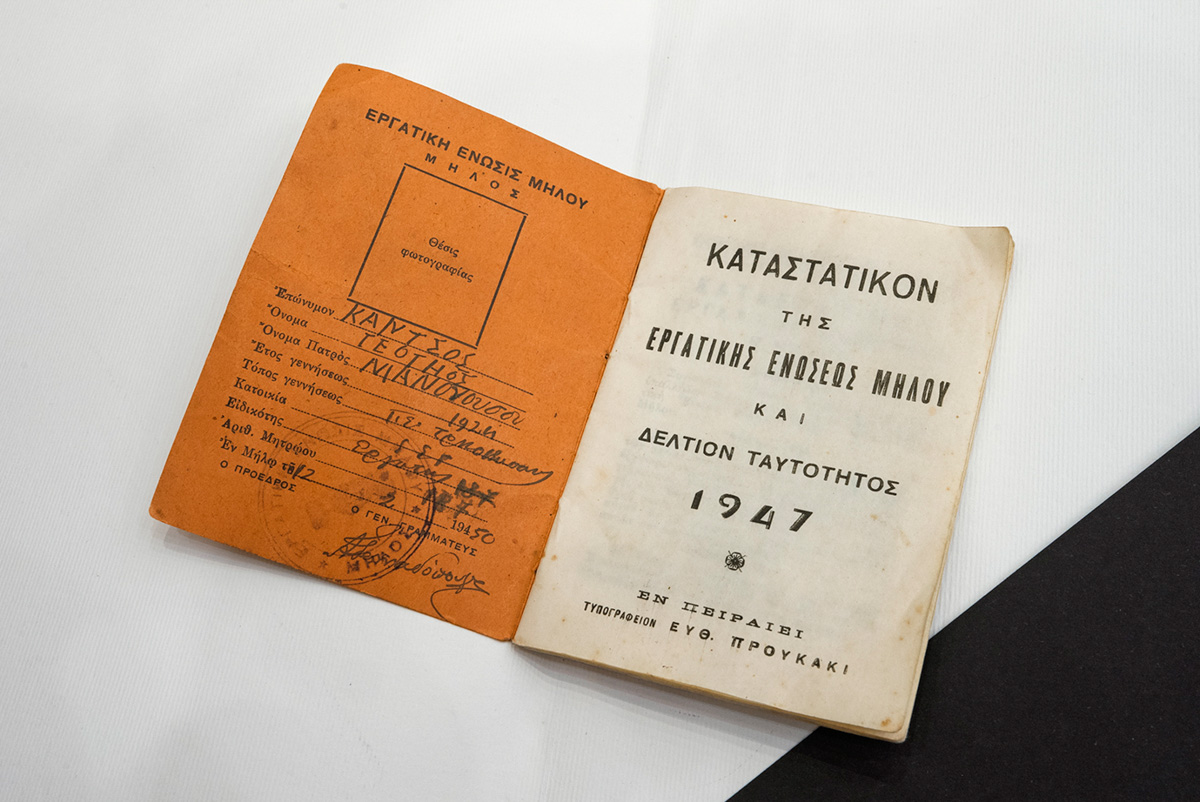
Extraction in the Cyclades: Digital Traces examines these overlapping dimensions of mining and quarrying in the Cyclades, focusing on five islands of varying scale and geological composition with significant extractive activity over the last three centuries: Antiparos, Milos, Naxos, Serifos and Tinos. In partnership with local historians, museums, labor centers and other community partners, Archipelago Network presents a constellation of photographic and audiovisual collections, contributing to dissemination of the historical memory and cultural heritage of mining and quarrying from the late nineteenth century to present day. Two commissioned digital artworks, a documentary photo series by visual artist Ignacio Acosta and a video essay by visual artist Sofia Dona, offer contemporary interpretations of the interplay between labor, memory and landscape across the archipelago.